


Making sure you get the right type of sleep is among the most effective steps you can take for your health. However, in the current hustle and bustle of the world, many people forget sleep to attend to work deadlines, spend more time with screens or do their daily tasks. These are the reasons healthy sleep is important and the healthy habits that help to improve sleep naturally.
There’s more to getting a good sleep than spending the night in bed. It’s about enjoying a deep, uninterrupted sleep and a chance for your body and mind to rest. A good night’s sleep leaves you feeling well rested, alert and mentally oriented. Inadequate sleep, however, can result in sleepiness, stress, and decreased productivity.
This is an extensive sleep guide from Go Healthy Pro on how sleep functions, why it’s essential for your health and how you can make some improvements to get better sleeps at night.
What is Healthy Sleep?
Good sleep is restorative, regular and adequate for your body and brain to operate optimally. While you’re asleep your body does a lot of vital things like mending tissues, fortifying immune system, balancing hormones and even stores memories.
People often believe that longer sleep means more quality sleep, but this isn’t always the case. Individuals who sleep for 9 hours but wake up often can actually feel more fatigued than those who get 7 hours of uninterrupted sleep.
The following are characteristics of good sleep:
- Being able to fall asleep within a reasonable period.
- Sleeping for the bulk of the night.
- Waking up feeling refreshed.
- Active and enthusiastic in the day.
- Getting regular sleep.
Bad sleep can consist of:
- Difficulty falling asleep.
- A tendency to wake a lot at night.
- Difficulty getting out of bed after a long night’s sleep.
- Requiring large amounts of caffeine to be alert.
- Feeling sleepy throughout the day.
Good sleep isn’t about a few extra hours of sleep; it’s about building good habits of the day.
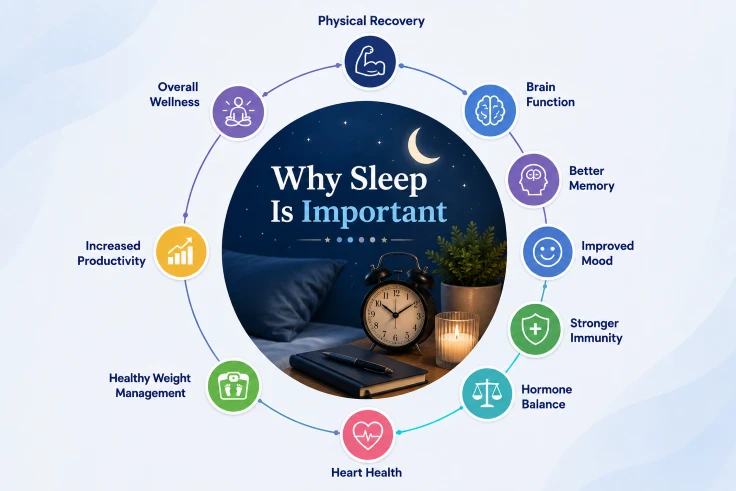
Why Sleep Is Important
Sleep helps nearly all the functions of the human body. Even as you sleep, your body is still at work readying you for the next day.
Physical Recovery
During sleep your muscles repair themselves. It is particularly important after exercise or a long day’s work. You get better rest and recovery from getting a good night sleep.
Brain Function
Your brain is still active while you sleep! It structures information, structures experience and sets you up for learning. Those who get a good night’s rest are more likely to be able to think clearly and make decisions.
Better Memory
Sleep facilitates the transfer of information from short- to long-term memory. Good sleep helps students learn and remember, good sleep helps working professionals perform at their best, and good sleep helps seniors to stay healthy.
Improved Mood
Ever find that just everything is tougher following a bad night’s sleep? Feeling irritated, impatient or emotionally overwhelmed due to lack of sleep. Ease your way into the night of sleep and keep your equilibrium, you do that with restful sleep.
Stronger Immunity
Resting helps to strengthen your immune system. Good sleep enables your body to fight common illnesses better.
Hormone Balance
Sleep maintains levels of hormones that regulate hunger, stress, growth and energy. Disruptions of these natural processes, caused by poor sleep, can impact overall health.
Heart Health
A consistent sleep schedule is important for a healthy blood pressure level and helps to replenish the heart’s energy after a day of activity. Quality, regular sleep is important to a healthy heart.
Healthy Weight Management
Good sleepers typically have better dietary choices as they are less hungry or more full during sleep.
Increased Productivity
A good night’s sleep leads to increased focus, creativity and decision making. Sleep is important for everyone, from learning to working to housekeeping — quality sleep means you are at your best.
Overall Wellness
Sleep is important for physical and mental health. Like balanced nutrition and regular exercise, it is the basis for a healthy lifestyle.
To grasp the concept of “Sleep Cycle”
Sleep is not a state of being asleep for a solid 24 hours. Rather, your body cycles through a number of cycles during a night. Every stage has its own function in maintaining your health.
Light Sleep
After going to sleep, the first stage will be light sleep. Your body relaxes, your breathing calms and your muscles relax. You can still easily wake up in this sleep stage, but you’re preparing for deeper sleep.
Deep Sleep
One of the very restorative stages of sleep is deep sleep. Your body is repairing muscles, boosting bone density, strengthening your immune system and replenishing energy during this period. If you wake up from deep sleep, you may feel groggy.
REM Sleep
Rapid Eye Movement is often referred to as REM. It is a phase in which dreams are vivid. Most of your muscles are relaxed, but your brain is very active during REM sleep. This is a stage that helps to enhance memory, learning, creativity and emotional well-being.
Non-REM Sleep
There are two stages of non-REM sleep, namely light sleep and deep sleep. It is primarily concerned with the physical restoration, and enables the body to recuperate from the normal activities.
Why Every Stage Matters
A healthy night’s sleep consists of several cycles of sleep, each taking about 90 minutes. During these cycles, your body switches between non-REM and REM sleep.
If you have several awakenings during your sleep, you might be missing some of the sleep stages. This can make you feel fatigued after even getting a good night’s sleep.
Don’t just worry about the amount of sleep you get, but the quality of sleep and ensuring that you are sleeping through all of these natural cycles.
Getting a good night’s sleep is one of the easiest yet most beneficial practices to develop. The first step is to understand how sleep works, which is a precursor to improving your daily routine. The following part of this guide will provide you with the amount required sleep for various age groups, signs of poor sleep, familiarize you with common causes for sleep difficulties, and give you a practical daily sleep routine to help you get a more restful night’s sleep.
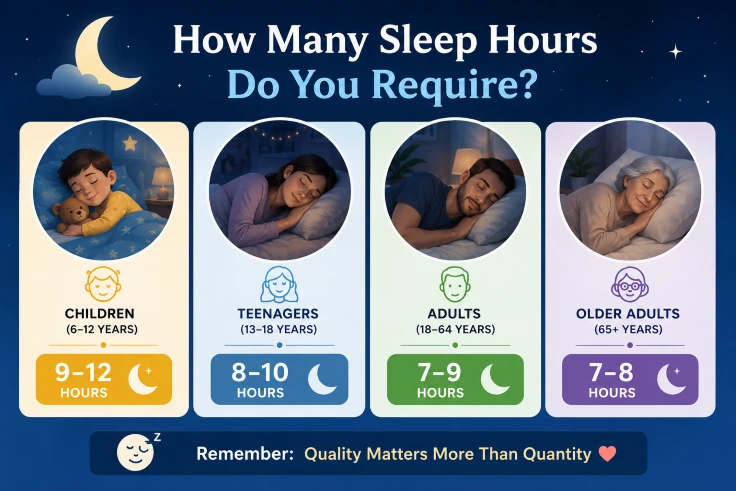
How Many Sleep Hours Do You Require?
Everyone is unique when it comes to sleep. Depending on your age, activity and health, the amount of sleep required varies. Some may feel refreshed with a bit less sleep, but deprivation of sleep on an ongoing basis can cause physical and mental issues.
Below are the general sleep recommendations for different age groups.
Children (6–12 Years)
Kids require 9-12 hours of sleep daily. In these developmental years sleep helps the brain grow, learn, develop physically and maintain a healthy immune system. Having a consistent bedtime routine is important for getting kids up and ready for learning.
Teenagers (13–18 Years)
Adequate sleep for teenagers is 8-10 hours per night. They may have less sleep time due to school, sports, homework and screen time and may find it harder to focus and be active during the day.
Adults (18–64 Years)
Generally, most adults require 7-9 hours sleep per night. Adults should not just aim for a target hour, but a solid sleep and regular sleep times.
Older Adults (65+ Years)
The average older person requires 7–8 hours of sleep. Sleep habits can shift as we get older, but it’s still crucial to have a healthy sleep pattern as an adult.
Remember: Quality Matters More Than Quantity
Eight hours a night may not be sufficient if you have more than once waking up during the night. Healthy sleep involves going through sleep cycles and waking up rejuvenated.
Here are some simple questions to ask yourself:
- Is I feel refreshed when I wake up?
- As long as I am awake, am I alert?
- Do I get drowsy during meetings or when driving?
- Use multiple cups of coffee to keep me alert?
If you said ‘yes’ to the previous two questions, you may need to improve your sleep.
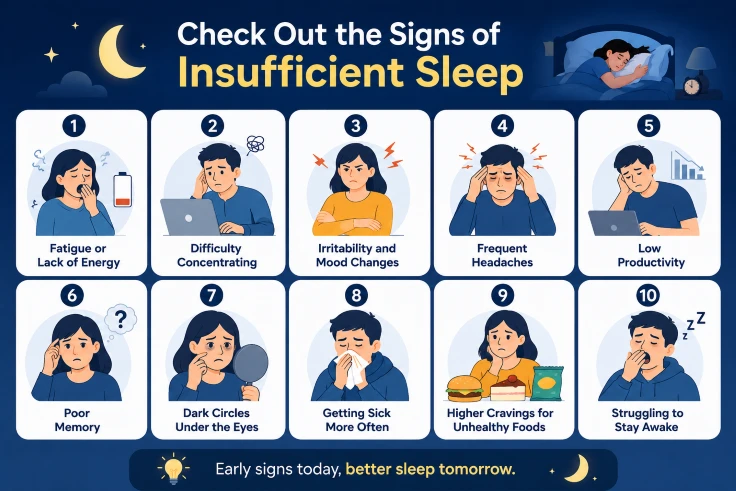
Check out the signs of insufficient sleep
A great many people believe that feeling fatigue is a normal aspect of life. You may have warning signs that you are not getting adequate and quality sleep, however.
Early identification of these risk factors can lead to positive change before poor sleep begins to impact on your day to day life.
1. Fatigue or Lack of Energy
Often experience fatigue or a lack of energy throughout the day. If you are often feeling sleepy, even after taking adequate sleep, your body might not be getting a proper sleep.
2. Difficulty Concentrating
Bad sleep impacts attention and focus. You might experience making incorrect choices at work, losing focus when studying or forgetting simple things.
3. Irritability and Mood changes
Sleep loss may lead to impatience, stress and emotional sensitivity. Things that may appear minor can feel quite large when you’re exhausted.
4. Frequent Headaches
Some people experience headaches after poor-quality sleep. It can be caused by dehydration, stress, and poor sleep habits.
5. Low Productivity
Without a good night’s sleep, everything can become a burden. You might be slower and may find it hard to motivate yourself.
6. Poor Memory
Sleep is important for consolidating memories. It’s harder to remember names, appointments, or other details without adequate quality sleep.
7. Dark Circles Under the Eyes
Dark circles can be caused by a variety of reasons, and lack of sleep can exacerbate their appearance.
8. Getting Sick More Often
Good sleep strengthens your immune system. One possible reason for getting colds or being weak is poor sleeping.
9. Higher Cravings for Unhealthy Foods
Insomnia can lead to a craving for sugary foods and processed snacks as it can have an impact on hormones that control hunger and fullness.
10. Struggling to Stay Awake
Often find it hard to stay awake during TV, reading or travel is a clue that your body may require better sleep.
What Can Cause Poor Sleep: Common Factors That Contribute to a Poor Night’s Sleep
Many sleeping disorders link to everyday routines and not serious medical issues. Knowing these causes is the first step to better sleep without the use of drugs.
Stress
One of the primary causes of sleep difficulties is stress. Stress over work, money or personal matters can keep your mind going well after you put it to bed.
What You Can Do
- Make a list of things to do the next day.
- Practice deep breathing.
- Play soothing music.
- Try to not look at work emails before going to sleep.
Anxiety
If the mind is continually busy with thoughts, it becomes hard to relax. Anxiety may actually make it harder to sleep, or waking up a lot during the night.
Helpful Habit: Take 10-15 minutes to read a book, journal or do some simple mindfulness exercises before bedtime.
Excess Screen Time
Your eyes are exposed to blue light from your phones, tablets, laptops and TVs. Excessive screen time closer to bedtime can make it more difficult to wind down for sleep.
Better Choice: Avoid using electronic devices 30-60 minutes before bedtime and replace it with a calming activity.
Too Much Caffeine
Coffee, tea, energy drinks, and some soft drinks contain caffeine, which can stay in your body for several hours.
Better Choice: Steer clear of caffeinated beverages in the late afternoons and evenings.
Heavy Late-Night Meals
Feeding a large meal right before going to bed might leave you feeling uncomfortable and unable to fall and stay asleep.
Better Choice: If at all possible, have dinner two to three hours before bedtime.
Poor Sleep Environment
An uncomfortable bedroom, which is too loud, too bright, or too noisy can be disruptive during the night.
Create a Sleep-Friendly Bedroom
- Keep the room cool.
- Reduce outside noise.
- Use comfortable bedding.
- Dim the lights.
- Maintain a clean and calming bedroom.
Irregular Bedtime
Having a different bedtime each night disrupts your body’s rhythm.
Better Choice: Try to go to bed and get up at the same time daily, including on Sundays.
Lack of Physical Activity
Those who sit for many hours during the day tend to be less likely to fall asleep.
Healthy Habit: Engage in physical activity regularly throughout the day, like walking, cycling, yoga or light stretching. Don’t do vigorous exercise right before sleep.
Sleep Guide: Daily Habits for Better Sleep
The simplest way to sleep better is to develop some small, regular routines. Please don’t make all of this changes at once. Practice 1 or 2 habits and increase this as time goes on.
Morning Routine
Get Morning Sunlight
Light from the natural sun helps keep your body’s clock on track. Going outside in the morning for 15-30 minutes can help establish a healthy sleep routine.
Move Your Body
A short walk, stretching or light exercise at the time of the day helps to boost energy levels and aids sleep at night.
Have a Healthy Breakfast!
Eat a balanced breakfast with protein, whole grains and fruit to fuel a stable day.
Afternoon Routine
Stay Hydrated
Take water on a regular basis throughout the day, rather than waiting until you are thirsty.
Eat Balanced Meals
Eat vegetables, fruits, whole grains, healthy fats and lean protein.
Limit Afternoon Caffeine
Try not to have coffee and other caffeinated beverages in the afternoon or evening.
Evening Routine
Eat Dinner Early
An evening meal should be completed several hours prior to retiring to bed so the food can be digested before you go to sleep.
Reduce Bright Lights
Reduce lights in the home during the evening hours, as this will allow your body to get ready for sleep.
Spend Time Relaxing
Eat, drink and relax with a bedtime routine of reading, listening to soothing music, gentle stretching, or meditation.
Before Bed
Put Away Your Phone
Don’t watch videos or browse social media in bed.
Use a Comfortable Mattress and Pillow
Use a comfortable bed, mattress and pillow. A cool, dark and quiet room is a good place for sleep.
Aim to get the same amount of sleep each night. Regularity helps your body to become more drowsy at night.
Example Daily Sleep Plan
Morning (6:30–8:00 AM)
- Get up from your bed at the same time.
- Open the curtains.
- Take a drink of water.
- Spend 20 minutes outside.
- Have a healthy breakfast!
Afternoon (12:00–5:00 PM)
- Have a well-balanced lunch.
- Stay active.
- Drink enough water.
- Avoid excessive caffeine.
Evening (6:00–9:00 PM)
- Eat dinner early.
- Go for a short walk.
- Reduce screen time.
- Keep lights dim.
Before Bed (9:30–10:30 PM)
- Read a book.
- Practice deep breathing.
- Avoid using electronic devices.
- Get to sleep and get up at the same time each day.
Avoiding the Pitfalls: Common Mistakes and the Right Strategy
| Common Mistake | Better Habit |
|---|---|
| Putting a cell phone into your bed | Read a book or exercise deep breathing. |
| Late night coffee drinking | Thus, opt for warm milk, herbal tea, or a hot beverage that contains no milk. |
| Sleeping at different times every day | Have a daily routine for sleep times. |
| Having heavy meals before bedtime. | Have light evening meals or eat earlier. |
| Watching tv until bedtime | Take the hour before bedtime away from screens. |
| Waking Up to Light in a Light Room | For a “calmer” environment, use curtains or dim lighting. |
| Ignoring stress | Before bedtime, try journaling, meditation or breathing exercises. |
There’s no need to make a drastic change when it comes to sleeping better. Little, regular actions done daily can have a big impact over time. In the latter part of this guide you will learn the best foods that will help you fall asleep better, foods and behaviors that can disrupt sleep, common sleeping pitfalls to steer clear of, helpful suggestions for better sleep, and a straightforward 7-day sleep improvement plan to get started right away.
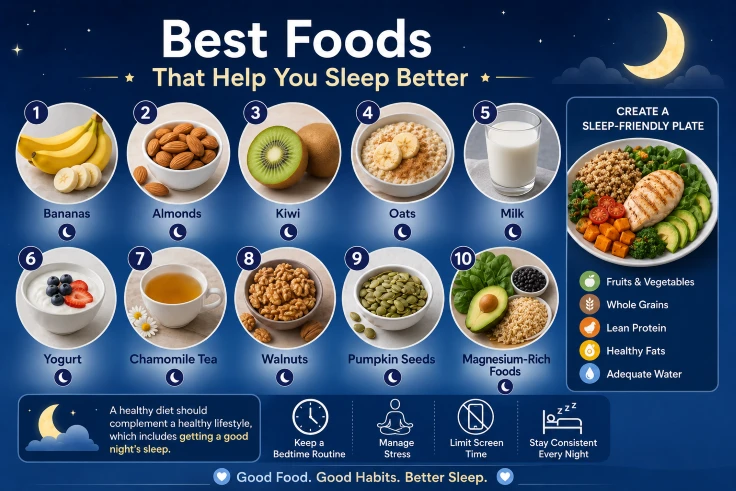
Best Foods That Help You Sleep Better
Foods you consume during the day can affect your sleep at night. Although there are no specific foods that will instantly induce sleep, a well-rounded diet with nutrient-packed foods can help promote healthy sleep. Building a solid bedtime routine and incorporating healthy eating into your routine are two of the most simple and effective ways to get a healthy night’s sleep without the use of prescription or over-the-counter sleep aids.
Below are some foods that may be suitable for a good night’s sleep.
1. Bananas
Potassium and magnesium are minerals necessary for the relaxation of muscles, and bananas make a convenient night snack. They’re also rich in natural carbohydrates that can help you feel full before you go to sleep.
One idea: If you feel a little hungry, try a little banana about an hour before going to bed.
2. Almonds
Almonds are rich in healthy fats, protein and magnesium. A few can be a healthy evening snack without being too heavy.
Simple Tip: Give a handful of unsalted almonds instead of sweets after dinner.
3. Kiwi
Kiwi is loaded with vitamins, antioxidants and fibre. Eating fresh fruits such as kiwi could help promote well-being and sleep habits.
Simply cut one or two kiwi for a quick snack in the evening.
4. Oats
A common breakfast food, oats are also a good evening snack. They are a source of fibre and complex carbohydrates which are slow to digest.
Simple solution: Make a mini-bowl of oatmeal with sliced banana and cinnamon.
5. Milk
Milk has always been a favourite night time beverage. So, before lights out, opt for a warm drink, whether it’s from dairy or fortified plant sources, and make it a part of your nighttime ritual.
6. Yogurt
Plain yogurt is packed with protein and can be eaten with fruit, nuts or seeds for a healthy snack.
Simple idea: Combine plain yogurt with fresh berries or chopped walnuts.
7. Chamomile Tea
Chamomile tea is naturally caffeine-free and is often used to relax in the evening.
Tip: Have as an evening drink about 30-60 minutes before you go to sleep.
8. Walnuts
Eaten in moderation, walnuts can be a convenient and healthy snack snack and they are rich in healthy fats.
9. Pumpkin Seeds
Pumpkin seeds are good sources of magnesium and can be easily incorporated into salads, yogurt, oatmeal, or an assortment of other foods.
10. Magnesium-Rich Foods
Magnesium is involved in a variety of normal body processes. Magnesium is a naturally occurring source in foods and can be found in:
- Spinach
- Pumpkin seeds
- Almonds
- Cashews
- Black beans
- Whole grains
- Avocados
Don’t use supplements without the guidance of a professional, but rather a balanced and varied diet.
Create a Sleep-Friendly Plate
Try to include:
- Fruits and vegetables
- Whole grains
- Lean protein
- Healthy fats
- Adequate water all day long.
A healthy diet should complement a healthy lifestyle, which includes getting a good night’s sleep.
Eating and Drinking Habits That Can Interfere With Sleep
Some foods can help you sleep well while others can hinder your sleep. Knowing these habits can help you make healthier choices particularly during the evening.
Excess Caffeine
Caffeine is found in coffee, strong tea, energy drinks and some soft drinks, and can make you stay awake for several hours.
Better habit: Reduce the amount of caffeine you have in the late afternoon and evening.
Alcohol
Drinking can make some feel sleepy initially, but disrupt sleep later in the evening.
New habit: Steer clear of using alcohol to fall asleep.
Sugary Snacks
Late-night snacking of sweets, chocolates or sugary desserts can cause fluctuations in energy providing relaxation more difficult.
Fruit, yogurt or a few nuts are better choices.
Heavy Late-Night Meals
Eating big meals near bedtime can make it uncomfortable and it can impact sleep quality.
New rule: Have dinner 2-3 hours before sleep.
Energy Drinks
Energy drinks are likely to be high in caffeine and sugar, and are not a good option for the evening.
Too Much Screen Time
Any viewing time before bed, whether it be watching television, social media or playing games, can make it harder to relax.
Next healthy move: Use screen time to read, stretch, or listen to relaxing music.
Smoking
Smoking can affect good sleep and overall wellness. There are numerous health advantages of cutting back or giving up on smoking other than improved sleep.
Irregular Sleep Schedule
If you get to sleep at different times each night, your body’s clock will be thrown off.
Improve the habit: Stick to a regular bedtime routine daily.
Common Sleep Mistakes
Many people don’t realize that they have habits that are detrimental to sleep. Knowing what those errors are is the first step to developing healthy habits.
Over-sleeping on Sunday and Monday Mornings
Oversleeping over the weekend to try to get extra sleep may seem like a good idea to try to make up for lost time, but can make the morning of Monday hard.
Better alternative: Go to bed and get up at the same time every day.
Utilizing Your Mobile Device Before Sleep
Reading messages or social media while your brain should be slowing down to rest makes your brain stay engaged in activity.
Better idea: Turn off your cell phone at least 30-60 minutes before bedtime.
Taking Long Daytime Naps
While a nap might be rejuvenating, a late afternoon nap might make it more difficult to fall asleep at night.
Better approach: If you do nap, a shorter and earlier nap time.
Sleeping Right After Eating
Having dinner immediately before bed may lead to discomfort.
A better option would be to give the animal time to get food into the stomach before lying down.
Ignoring Stress
Worrying about the next day will tend to keep one awake at night.
A better approach: jot down your ideas, do some deep breathing or relax for a few quiet minutes before you go to sleep.
Keeping Lights On
You need a bright light to keep you awake.
A better approach is to use dim light for an hour before going to sleep and keep your bedroom dark when you are sleeping.
Converting the Bedroom to a Workspace
If you work or study or attend meetings in bed, it can be more difficult for your brain to connect bed with sleep.
Better alternative: Keep your bedroom as a place for sleep and rest.
Helpful Tips If You Are Struggling With Sleep
There is no need to make a big change in your lifestyle in order to improve your sleep. Regular small changes can have a positive impact in the long term.
Stick to a Regular Sleep Schedule
Have a regular sleep and wake schedule (including weekends).
Make a Soothing Bedtime Ritual
Take time in the last 30–60 minutes of the day to engage in relaxing activities such as reading, stretching, journaling or listening to calming music.
Exercise Regularly
Frequent exercise promotes good sleep and health. Walking just 30 minutes a day can help you make a difference.
Hint: Do not do an intense workout immediately prior to sleep.
Minimize Exposure to Blue Light
Reduce the amount of mobile phones, tablets, laptops and televisions before sleep. If it is necessary to use a device, keep the display brightness down or use a blue-light filter.
Make Your Bedroom Cool and Comfortable
The quiet, cool and dark bedroom promotes restful sleep.
Practice Mindfulness
To tame an overactive mind before sleep, try simple breathing exercises, meditation, or keep a gratitude journal.
Stay Hydrated
Wear enough water throughout the day but not too much right before bed so that you will not have to get up as much at night.
Manage Daily Stress
Managing stress daily can help. Relaxation can be achieved through activities such as yoga, walking around, spending time in nature or talking to family and friends.
Avoid Late-Evening Caffeine
If you need a drink to unwind at the end of the day, try herbal tea or warm milk instead of coffee or energy drinks.
7-Day Sleep Improvement Plan
It’s easier to establish healthy sleep habits when you take one change at a time. This is a simple one week plan to help get you started.
Day 1–2: Make Your Bedtime
- Pick an attainable bedtime.
- Install an alarm to remind you when it’s time to unwind.
- Get up at the same time every morning.
Day 3–4: Minimize Screen Time
- Avoid electronic devices for 30-60 minutes prior to sleep.
- Read a book or try relaxation exercises.
Day 5: Make Your Bedroom Better
- Maintain cool, quiet, dark room.
- Remove unnecessary distractions.
- Put together as comfy a bed as possible.
Day 6: Practice Relaxation
- Try deep breathing.
- Stretch gently.
- Listen to music that is relaxing.
- List out things to do tomorrow to clear your mind.
Day 7: Check Your Work
Ask yourself:
- Do I fall asleep more easily?
- Do I feel better refreshed after sleeping?
- What are the new habits that are easiest for you?
Pat yourself on the back when you get to a healthy habit, and keep working on those habits throughout the next few weeks.
Keep in mind that change for the better is more about consistency than perfection. Any one good habit, done daily, can have a positive impact on your sleep.
The Benefits of Healthy Sleep
Getting a good night’s sleep is one of the most important things you can do for your health. With all of the emphasis on healthy eating and regular exercise, quality sleep is just as important. Having adequate and restful sleep can benefit your physical and mental health.
1. Better Mood
Sleeping well, helps you to wake feeling fresh and calm. If you are well rested, you will be more likely to be patient, positive and better able to deal with the challenges of everyday life.
2. Stronger Immune System
They are many important things your body does during sleep. Quality sleep enhances your immune system and allows you to operate at your best and benefit from the day’s stresses and strains.
3. Improved Concentration
Quality sleep enhances focus, attention and problem solving abilities while it is a sensible study, work or home management tool.
4. Improved Energy in the Day
The greatest advantage to healthy sleep is increased natural energy. You’ll be able to maintain your activity and productivity more readily without relying on several cups of coffee.
5. Supports Heart Health
Maintaining a regular sleep schedule is one facet of a heart healthy lifestyle. Good sleep is an important part of a heart-healthy lifestyle, along with proper nutrition and exercise.
6. Performs Healthy Weight Management
The hormones that control hunger and fullness are regulated by sleep. After getting a good night’s sleep, it could be easier to choose nutritious foods and refrain from eating pointless late-night snacks.
7. Better Mental Well-Being
A good night’s rest allows your mind to relax and recharge. It can be used to help you relax, concentrate and cope with daily stress.
8. Increased Productivity
The quality of sleep improves decision making, creativity, memory and performance. You will be able to get more done when you are well-rested, whether you are at work, school or home.
9. Enhance the Quality of Life
Good sleep leads to better enjoyment of daily living. You could find improved relationships, higher job motivation, better physical health and general happiness.
Conclusion
Sleep is a part of a healthy lifestyle and should not be a luxury. Simple things will have a big impact over time, including consistent bedtime, screen-free time before bed, eating a balanced diet, being active and making a relaxing evening routine.
From understanding the sleep cycle and identifying signs of sleep disturbances to creating better morning and night routines, and selecting foods that promote better sleep, this sleep guide has it all. Remember that improving sleep doesn’t happen overnight. Healthy habits can only have lasting effects if they are practiced regularly.
This week make one or two small changes and then develop a pattern over time that works for you. These minor enhancements can make a difference in the long run, resulting in healthier lives, stronger immune systems, better focus, and improved energy levels.
We know, at Go Healthy Pro, that health starts with easy and sustainable behaviors. One of the most important steps you can take for a healthier and happier life is to make getting good sleep your top priority.
Q1:- What is a sleep guide?
A sleep guide is a list of sleepily useful tips and healthy sleep habits to help you get a better night’s rest. It includes information on sleep routines, sleep hygiene, healthy lifestyle habits and typical sleep issues.
Q2:- What is the best way to get a good night's rest without taking any medication?
To get better sleep naturally, establish a consistent sleep routine, limit screen time before bed, maintain regular exercise, follow a balanced diet, practice stress management techniques and make your bedroom a comfortable sleeping place.
Q3:- What is the number of hours an adult should get a nightly sleep?
Typically, adults require 7-9 hours of good sleep per night. Everyone’s different, but waking up feeling rested is a good indicator of adequate rest.
Q4:- Which foods promote a good night's sleep?
Bananas, almonds, kiwi fruit, oats, yoghurt, milk, walnuts, pumpkin seeds and other magnesium-dense foods can be part of a healthy diet to support good sleep routines.
Q5:- What causes me to be tired when I get up?
You might have poor sleep quality, an irregular sleep pattern, stress, late-night TV, too much caffeine or an out-of-comfort sleep space, which can cause tiredness the next morning.