

Introduction
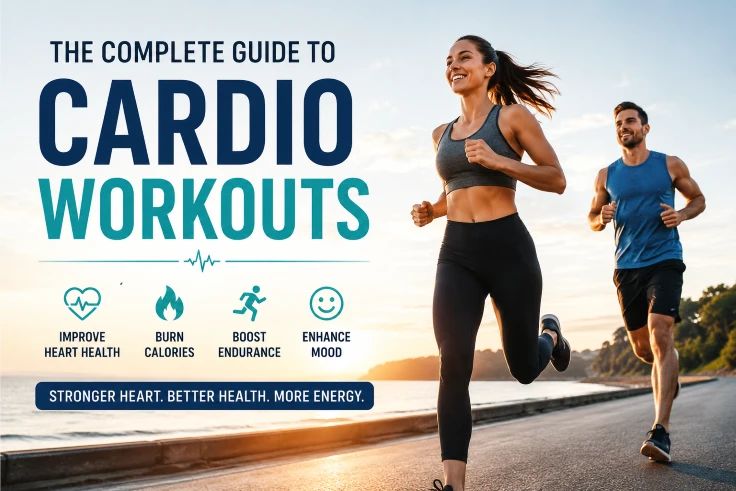
Cardio workouts are one of the most effective ways to improve overall fitness, support heart health, increase endurance, and maintain a healthy weight. Whether you are a beginner starting your fitness journey or an experienced exerciser looking to improve performance, cardio training offers numerous physical and mental benefits.
In today’s fast-paced lifestyle, many people spend long hours sitting at desks, working remotely, or managing busy schedules. This lack of movement can negatively affect cardiovascular health, energy levels, and overall well-being. Incorporating regular cardio workouts into your routine can help counter these effects and support a healthier lifestyle.
This comprehensive guide covers everything you need to know about cardio workouts, including their benefits, different types, recommended frequency, beginner tips, common mistakes, and strategies to maximize results.
What Are Cardio Workouts?
Cardio workouts, also known as cardiovascular exercises or aerobic exercises, are physical activities that increase your heart rate and breathing rate for an extended period. These exercises challenge the cardiovascular system, helping the heart and lungs work more efficiently.
Examples of cardio exercises include:
- Walking
- Running
- Cycling
- Swimming
- Jump rope
- Dancing
- Rowing
- Hiking
- Stair climbing
- High-intensity interval training (HIIT)
The primary goal of cardio training is to improve the body’s ability to deliver oxygen to muscles while enhancing endurance and overall fitness.
Why Cardio Workouts Are Important for Health
Regular cardio workouts provide a wide range of health benefits that extend beyond weight management.
Improved Heart Health
The heart is a muscle that becomes stronger with consistent exercise. Cardio training improves circulation, lowers resting heart rate, and helps maintain healthy blood pressure levels.
Better Lung Function
Cardiovascular exercises train the lungs to work more efficiently, improving oxygen delivery throughout the body.
Increased Energy Levels
Regular movement helps improve stamina and reduces feelings of fatigue during daily activities.
Enhanced Mood
Exercise stimulates the release of endorphins, often called “feel-good” hormones, which can help improve mood and reduce stress.
Better Sleep Quality
People who engage in regular cardio exercise often experience deeper and more restorative sleep.
Long-Term Disease Prevention
Consistent cardiovascular exercise may help reduce the risk of various health conditions associated with sedentary lifestyles.
Types of Cardio Workouts
One of the biggest advantages of cardio training is the variety of activities available.
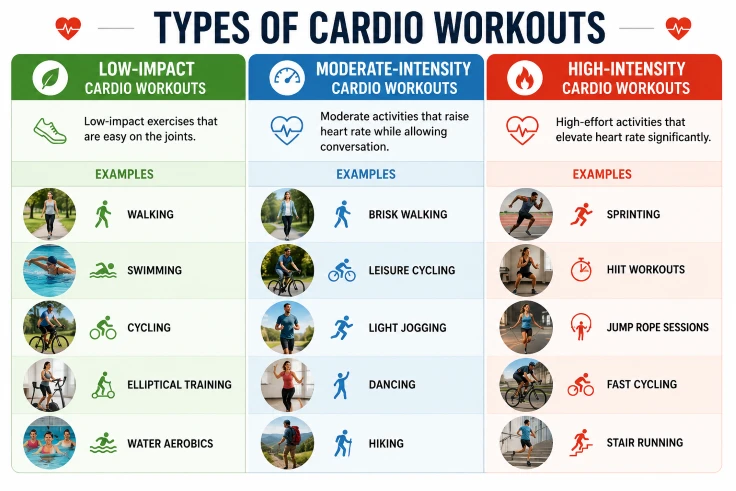
Low-Impact Cardio Workouts
Low-impact exercises place less stress on joints while still providing cardiovascular benefits.
Examples include:
- Walking
- Swimming
- Cycling
- Elliptical training
- Water aerobics
These exercises are often suitable for beginners, older adults, or individuals recovering from injuries.
Moderate-Intensity Cardio Workouts
Moderate-intensity activities increase heart rate while still allowing you to hold a conversation.
Examples include:
- Brisk walking
- Leisure cycling
- Light jogging
- Dancing
- Hiking
These workouts are effective for improving cardiovascular health and maintaining fitness.
High-Intensity Cardio Workouts
High-intensity activities require greater effort and elevate heart rate significantly.
Examples include:
- Sprinting
- HIIT workouts
- Jump rope sessions
- Fast cycling
- Stair running
These workouts can help improve endurance and burn more calories in a shorter amount of time.
Benefits of Cardio Workouts for Weight Management
Many people start exercising to support weight management goals, and cardio workouts can be an important component of a balanced fitness plan.
Cardio exercises help increase calorie expenditure. Combined with healthy nutrition and strength training, they can support a sustainable approach to maintaining a healthy body weight.
Additional benefits include:
- Increased daily calorie burn
- Improved metabolism
- Better energy utilization
- Enhanced workout capacity
- Support for long-term fitness goals
However, cardio should be viewed as part of a complete wellness strategy rather than a quick solution.
Cardio Workouts for Beginners
Starting a fitness routine can feel overwhelming, but cardio training does not need to be complicated.
Start Slowly
Begin with short sessions of 10 to 20 minutes and gradually increase duration as your fitness improves.
Choose Activities You Enjoy
Consistency is easier when you select exercises that fit your preferences and lifestyle.
Focus on Regularity
Building a habit is more important than performing intense workouts immediately.
Listen to Your Body
Rest when needed and gradually progress to avoid excessive fatigue.
Set Realistic Goals
Small achievements can help maintain motivation and encourage long-term adherence.
How Often Should You Do Cardio Workouts?
The ideal frequency depends on fitness level, goals, and exercise intensity.
For general health:
- 3 to 5 days per week is often sufficient.
For improved endurance:
- 4 to 6 sessions weekly may be beneficial.
For active individuals:
- A combination of moderate and vigorous activities can create a balanced routine.
Recovery remains essential regardless of training frequency.
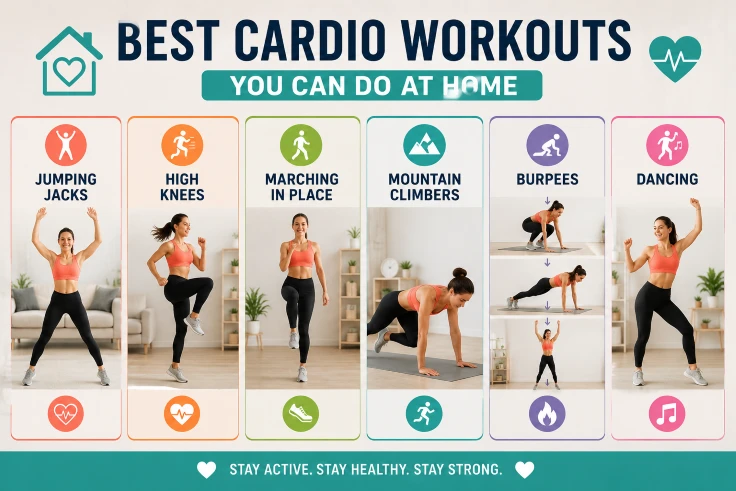
Best Cardio Workouts You Can Do at Home
Not everyone has access to a gym, but effective cardio workouts can be performed at home with little or no equipment.
Popular options include:
Jumping Jacks
A simple full-body exercise that raises heart rate quickly.
High Knees
Excellent for improving coordination and cardiovascular endurance.
Marching in Place
Ideal for beginners and those seeking low-impact movement.
Mountain Climbers
Combines cardio and core engagement.
Burpees
A challenging exercise that provides both cardiovascular and muscular benefits.
Dancing
An enjoyable way to stay active while improving fitness.
Outdoor Cardio Workouts for Variety
Outdoor exercise provides fresh air, changing scenery, and additional motivation.
Popular outdoor cardio activities include:
- Walking
- Running
- Cycling
- Hiking
- Recreational sports
- Roller skating
Many people find outdoor workouts more enjoyable, which can improve long-term consistency.

Cardio Workouts and Mental Well-Being
Exercise benefits more than physical health.
Regular cardio training may help:
- Reduce daily stress
- Improve focus
- Support emotional balance
- Increase confidence
- Promote relaxation
Physical activity often serves as a productive outlet for managing life’s daily challenges.
Cardio Workouts vs Strength Training
Many people wonder whether cardio or strength training is better.
The truth is that both forms of exercise offer unique benefits.
Cardio Training Benefits
- Improves endurance
- Supports heart health
- Burns calories efficiently
- Enhances stamina
Strength Training Benefits
- Builds muscle
- Increases strength
- Supports bone health
- Improves body composition
A balanced fitness routine often includes both cardio and resistance training.
Common Mistakes During Cardio Workouts
Avoiding common mistakes can help improve results and reduce injury risk.
Doing Too Much Too Soon
Sudden increases in intensity may lead to burnout or discomfort.
Skipping Warm-Ups
Preparing the body before exercise can improve performance and mobility.
Ignoring Recovery
Rest days allow the body to adapt and recover properly.
Using Poor Technique
Correct movement patterns help improve effectiveness and safety.
Not Staying Hydrated
Proper hydration supports performance and recovery.
How to Make Cardio Workouts More Effective
Small adjustments can improve workout quality and long-term progress.
Track Your Progress
Monitoring workouts can help maintain motivation.
Increase Intensity Gradually
Progressive improvements encourage continued fitness gains.
Mix Different Activities
Variety reduces boredom and challenges the body in different ways.
Prioritize Consistency
Regular exercise often produces better results than occasional intense sessions.
Combine Cardio with Healthy Nutrition
A balanced diet supports energy levels and recovery.
Sample Weekly Cardio Workout Plan
Monday
Brisk walking – 30 minutes
Tuesday
Light cycling – 30 minutes
Wednesday
Rest or stretching
Thursday
Home cardio routine – 20 minutes
Friday
Jogging – 30 minutes
Saturday
Outdoor activity such as hiking or sports
Sunday
Recovery walk and mobility exercises
This balanced approach allows for both exercise and recovery.
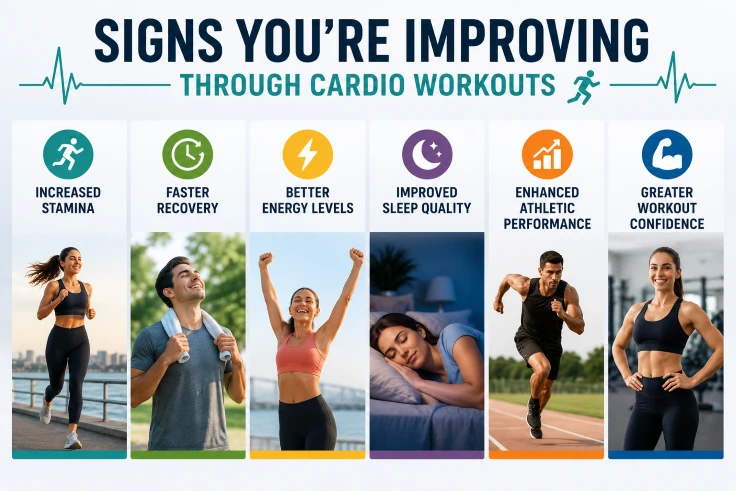
Signs You’re Improving Through Cardio Workouts
Progress can appear in several ways beyond the scale.
You may notice:
- Increased stamina
- Faster recovery after exercise
- Better energy levels
- Improved sleep quality
- Enhanced athletic performance
- Greater workout confidence
Tracking these improvements can provide valuable motivation.
Building a Sustainable Cardio Workout Routine
Long-term success depends on creating habits that fit your lifestyle.
To stay consistent:
- Schedule workouts in advance
- Choose enjoyable activities
- Exercise with friends or family
- Set achievable milestones
- Celebrate progress regularly
The best workout routine is the one you can maintain consistently over time.
Conclusion
Cardio workouts are an essential component of a healthy and active lifestyle. They strengthen the heart, improve endurance, support weight management, enhance mental well-being, and contribute to overall physical fitness. Whether you prefer walking, running, cycling, swimming, dancing, or home-based routines, there are countless ways to incorporate cardiovascular exercise into your daily life.
The key to success is consistency. Start at a comfortable level, progress gradually, and choose activities that you genuinely enjoy. Over time, regular cardio workouts can help you build a stronger body, improve energy levels, and support long-term health goals.
FAQs
1. What are cardio workouts?
Cardio workouts are exercises that increase your heart rate and breathing rate for an extended period. Activities such as walking, running, cycling, swimming, and dancing fall into this category. These exercises help improve cardiovascular fitness, endurance, and overall health while supporting an active lifestyle.
2. How many days a week should I do cardio workouts?
Most adults can benefit from cardio workouts three to five times per week. The exact frequency depends on individual goals, fitness levels, and exercise intensity. Combining moderate and vigorous activities while allowing adequate recovery can help maintain long-term consistency and support overall fitness improvements.
3. Are cardio workouts good for weight loss?
Cardio workouts can support weight management by increasing calorie expenditure and improving overall activity levels. When combined with a balanced diet, strength training, and healthy lifestyle habits, cardiovascular exercise can contribute to sustainable weight-loss efforts and improved physical fitness over time.
4. Which cardio workout is best for beginners?
Walking is often considered one of the best cardio workouts for beginners because it is simple, accessible, and low impact. Other beginner-friendly options include cycling, swimming, marching in place, and low-intensity dance workouts. Starting gradually helps build confidence and endurance safely.
5. Can I do cardio workouts every day?
Many people can perform light or moderate cardio workouts daily, provided they allow adequate recovery and avoid excessive intensity. Mixing workout types and including rest or active recovery days can help prevent fatigue while supporting long-term fitness progress and overall well-being.
6. Is cardio better than strength training?
Cardio and strength training serve different purposes and complement each other. Cardio improves endurance and cardiovascular health, while strength training builds muscle and supports bone health. A balanced fitness routine that includes both forms of exercise often provides the most comprehensive health and fitness benefits.
Disclaimer
“This article is only for general health awareness and tips. It is not medically suggested advice. Please consult a qualified healthcare professional for medical guidance.”