

Your Path to Sustainable Wellness
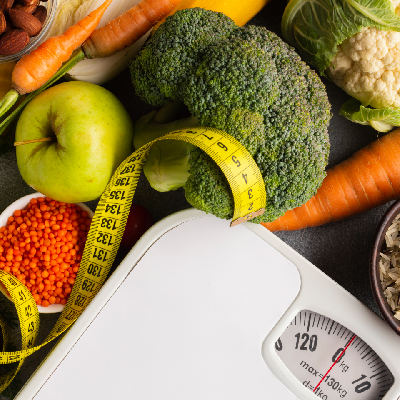
20 Best Healthy Foods for Fitness and Wellness biggest upgrade to your fitness routine wasn’t a new workout plan—it was simply what you put on your plate? The foods you eat fuel every rep, run, and recovery. They also directly influence your focus, mood, and long-term health. When you embrace a food-first approach, choosing nutrient-dense whole foods becomes the simplest framework for a healthier lifestyle—even on the busiest days. Better mental clarity starts with better food choices. Let’s dig in.
Why Whole Foods Matter for Fitness
The Power of Nutrient Density
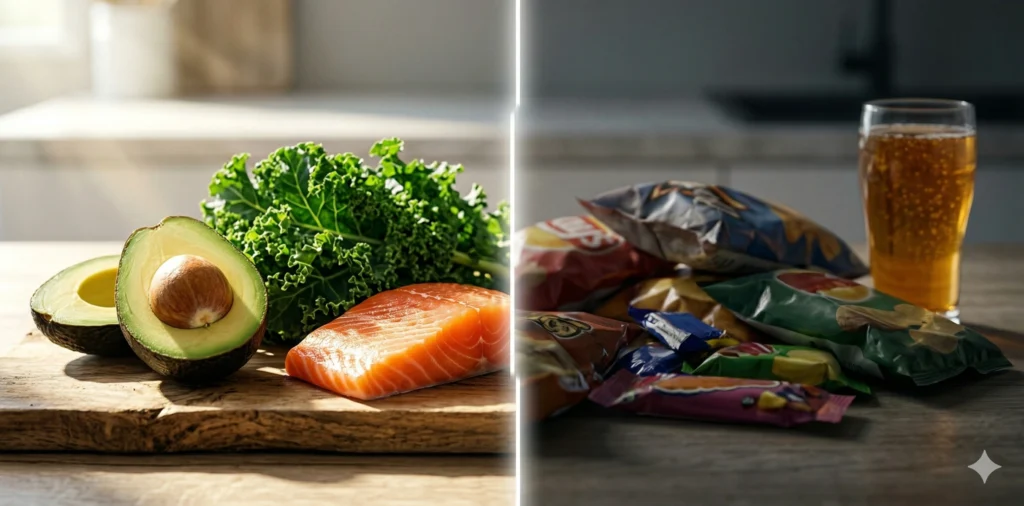
Nutrient-dense foods deliver the most vitamins, minerals, and macronutrients per calorie. Think of them as your body’s premium fuel — you get more mileage with less waste. Spinach, salmon, eggs, and quinoa are excellent examples of foods that do a lot of heavy lifting in a small serving.
Whole Foods vs. Ultra-Processed Foods
Ultra-processed foods are engineered to be hyper-palatable. They spike blood sugar, trigger cravings, and offer very little real nutrition. Whole foods, on the other hand, digest slowly, feed your gut microbiome, and support steady energy levels throughout the day — no crash required.
How Natural Nutrition Supports Long-Term Health
Study after study links a diet rich in whole, minimally processed foods to lower rates of heart disease, type 2 diabetes, and cognitive decline. Clean eating isn’t a trend — it’s a scientifically backed strategy for living longer and performing better at every stage of life.
Top 20 Healthy Foods for Your Daily Routine
Here is a quick-reference overview of all 20 foods covered in this guide:
| Food | Key Nutrient | Primary Benefit |
| Greek Yogurt | Probiotics + protein | Gut health, muscle recovery |
| Eggs | Complete protein | Bioavailable amino acids |
| Chicken Breast | Lean protein | Meal prep, muscle building |
| Lentils / Legumes | Plant protein + fiber | Blood sugar balance |
| Tofu / Tempeh | Complete plant protein | Active plant-based lifestyles |
| Quinoa | Complex carb + minerals | Gluten-free energy |
| Oats | Slow-release carbs | Pre-workout fuel |
| Sweet Potatoes | Vitamin A + complex carbs | Sustained energy |
| Berries | Antioxidants | Reduces exercise-induced stress |
| Bananas | Potassium + quick carbs | Pre-workout snack |
| Avocado | Monounsaturated fats | Heart health, satiety |
| Walnuts | Omega-3 fatty acids | Brain function |
| Chia Seeds | Fiber + omega-3 | Hydration, gut health |
| Olive Oil | Polyphenols | Anti-inflammatory cooking |
| Fatty Fish (Salmon) | EPA/DHA omega-3 | Recovery, joint health |
| Spinach | Iron + magnesium | Energy metabolism |
| Broccoli | Fiber + sulforaphane | Detoxification |
| Blueberries | Anthocyanins | Focus and mental clarity |
| Turmeric | Curcumin | Anti-inflammatory, sore muscles |
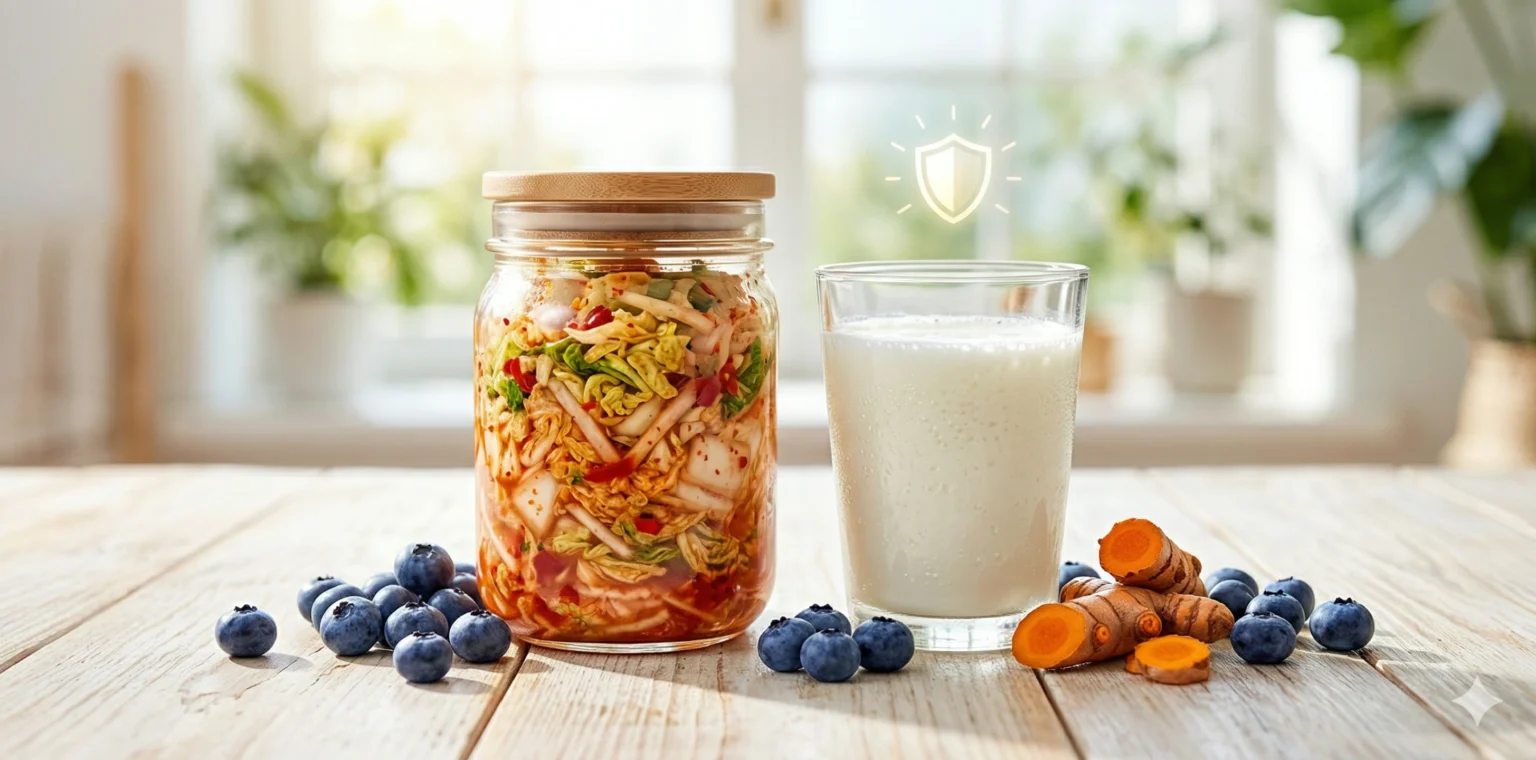
| Kefir / Kimchi | Live cultures | Gut-brain axis, immunity |
I. High-Protein Staples for Muscle Recovery
Protein is the building block of every muscle fiber in your body. Whether your goal is to build strength, improve endurance, or simply recover faster, prioritizing high-protein healthy foods is non-negotiable. For more specialized options, explore our guide to
plant-based protein sources. Getting enough protein is also the first step to effective muscle recovery.
- Greek Yogurt — One cup delivers 15–20 g of protein plus gut-friendly probiotics. It doubles as a base for smoothies, dips, or a quick post-workout snack that supports both your gut and your muscles.
- Eggs — Often called the gold standard for bioavailable protein, a single egg contains all nine essential amino acids. Scramble, boil, or poach — eggs are one of the most affordable and flexible fitness foods around.
- Chicken Breast — A 100 g serving provides roughly 31 g of protein with minimal fat. It’s the meal-prep MVP: grill a batch on Sunday and you have a lean protein source ready for the entire week.
- Lentils and Legumes — Lentils offer about 18 g of plant protein per cooked cup along with a hefty dose of fiber. They’re affordable, filling, and naturally low on the glycemic index — perfect for sustained energy.
- Tofu / Tempeh — Both are complete plant proteins for active lifestyles. Tempeh is slightly higher in protein (~19 g per 100 g) and contains gut-friendly probiotics from fermentation. Marinate and pan-fry for a satisfying, plant-forward meal.
| 💪 Protein Target Aim for 0.7–1 g of protein per pound of bodyweight daily to support muscle building and repair. Spreading intake across meals improves absorption. |
II. Complex Carbs for Sustained Energy
Carbohydrates are your body’s preferred energy currency. The key is choosing low-glycemic, fiber-rich sources that release glucose slowly — keeping you energized without blood sugar spikes. These are the best pre-workout snacks for sustained energy and athletic performance.
- Quinoa — Unlike most grains, quinoa is a complete protein AND a complex carb, making it a dual-purpose fitness food. It’s also gluten-free and rich in iron and magnesium. Swap it for white rice to boost both fiber and mineral intake.
- Oats — A bowl of oats before a workout is like setting your energy on a slow timer. Beta-glucan, a soluble fiber in oats, slows digestion and supports healthy cholesterol levels. Steel-cut or rolled oats are your best bet.
- Sweet Potatoes — Rich in Vitamin A (via beta-carotene), potassium, and complex carbohydrates, sweet potatoes are one of the most nutrient-dense carb sources available. Roast them in batches — they reheat beautifully.
- Berries — Strawberries, raspberries, and blueberries are loaded with antioxidants that combat exercise-induced oxidative stress. Add them to oatmeal, Greek yogurt, or smoothies for a flavorful antioxidant boost.
- Bananas — The ultimate pre-workout snack. Easy to carry, quick to digest, and rich in potassium — a mineral that prevents muscle cramps. Pair with almond butter for a more balanced snack that adds healthy fat.
III. Healthy Fats for Brain and Heart Health
Healthy fats are not the enemy — they are essential for hormone production, joint lubrication, and brain function. These anti-inflammatory foods for athletes help reduce soreness and support long-term cardiovascular health.
- Avocado — One avocado provides about 15 g of heart-healthy monounsaturated fats plus potassium and fiber. Avocado nutrition benefits extend to better nutrient absorption from other vegetables. Slice it onto toast, blend it into smoothies, or use it as a creamy salad dressing base.
- Walnuts — Just a small handful delivers 2.5 g of plant-based omega-3 fatty acids, supporting cognitive function and reducing inflammation. A study in the Journal of Nutrition found that regular walnut consumption is linked to improved memory and mental flexibility.
- Chia Seeds — Don’t let their tiny size fool you. Chia seeds health benefits include 10 g of fiber per ounce, omega-3s, and the ability to absorb water and expand in your gut — promoting satiety and hydration. Stir into water, yogurt, or oatmeal.
- Olive Oil — Extra-virgin olive oil is the cornerstone of anti-inflammatory eating. Its polyphenols protect cells from damage, and research consistently links olive oil consumption to reduced cardiovascular risk. Use it as a finishing oil to preserve its beneficial compounds.
- Fatty Fish (Salmon) — Salmon is one of the richest food sources of EPA and DHA — the two omega-3s your body cannot produce on its own. These fats reduce post-exercise inflammation, support joint health, and boost recovery. Aim for two servings per week.
| 🫒 Olive Oil Tip Extra-virgin olive oil loses some beneficial polyphenols when heated at very high temperatures. Drizzle it over finished dishes or use for low-to-medium heat cooking for maximum benefit. |
IV. Micronutrient-Dense Greens and Superfoods
Vitamins and minerals are the unsung heroes of fitness nutrition. They govern everything from energy metabolism to immune defense. These superfoods for wellness fill critical nutritional gaps that protein and carbs alone cannot cover.
- Spinach — One cup of raw spinach provides iron, magnesium, vitamin K, and folate. Magnesium in particular is crucial for converting food into energy and preventing muscle cramps. Add it to smoothies, eggs, or pasta — it wilts down to almost nothing.
- Broccoli — This high-fiber cruciferous vegetable contains sulforaphane, a compound that supports the liver’s natural detoxification pathways. It’s also rich in vitamin C, which boosts collagen synthesis and supports immune health.
- Blueberries — Often called the ‘brain berry,’ blueberries contain anthocyanins that cross the blood-brain barrier to enhance memory, focus, and reaction time. Just half a cup per day is enough to notice cognitive benefits over time.
- Turmeric — Curcumin, the active compound in turmeric, is one of the most extensively studied natural anti-inflammatory agents. It’s particularly effective at reducing exercise-induced muscle soreness. Pair it with black pepper to boost absorption by up to 2,000%.
- Fermented Foods (Kefir / Kimchi) — The gut is often called the ‘second brain,’ and fermented foods are the key to keeping it healthy. Kefir and kimchi are packed with live probiotic cultures that diversify your gut microbiome, improve digestion, and enhance immune function. Fiber-maxxing foods like kimchi support both gut health and fitness.
Benefits of Eating for Performance and Longevity
Improving Physical Strength and Recovery
When you consistently eat high-protein foods for muscle recovery and surround them with micronutrient-rich vegetables, your muscles rebuild faster after exercise. This means less soreness, quicker adaptation, and the ability to train more consistently over time.
Boosting Daily Energy and Mental Focus
Complex carbohydrates, B vitamins (from eggs, leafy greens), and omega-3 fatty acids work together to fuel your brain and keep you mentally sharp. Swap ultra-processed snacks for a handful of walnuts and berries and notice the difference in your afternoon energy levels within just a few days.
Supporting Healthy Aging and Disease Prevention
Anti-inflammatory foods like turmeric, olive oil, and fatty fish reduce chronic low-grade inflammation — a key driver of aging and metabolic disease. A balanced diet rich in these foods is the most evidence-based investment you can make in your long-term health and longevity.
How to Build a Balanced Healthy Plate
The 40-30-30 Rule for Macros
A practical starting point for balanced diet planning is the 40-30-30 framework: 40% of calories from carbohydrates, 30% from protein, and 30% from healthy fats. This ratio supports stable blood sugar, adequate muscle protein synthesis, and satisfying satiety.
| Macro | % of Plate | Best Sources |
| Carbohydrates | 40% | Oats, quinoa, sweet potato |
| Protein | 30% | Chicken, eggs, lentils |
| Healthy Fats | 30% | Avocado, olive oil, walnuts |
Portion Control Tips for Busy Professionals
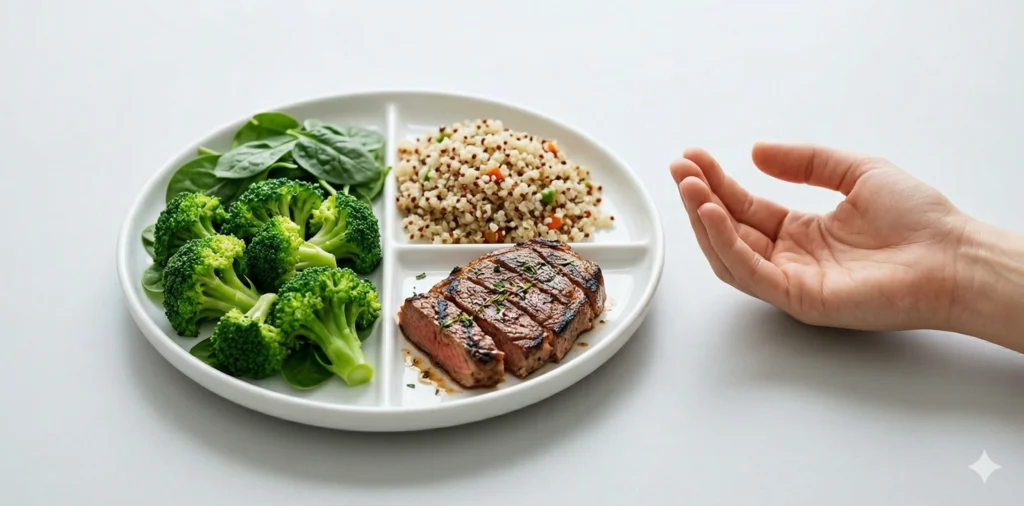
- Use your hand as a guide: one palm = protein, one cupped hand = carbs, one thumb = fat, two fists = vegetables.
- Eat from smaller plates to reduce portion distortion without calorie counting.
- Pre-portion snacks into containers to avoid mindless overeating from large packages.
Using the Healthy Plate Visual Guide
Fill half your plate with non-starchy vegetables like spinach, broccoli, and peppers. Fill one quarter with a quality protein source. Fill the remaining quarter with a complex carb like quinoa or sweet potato. Add a drizzle of olive oil or a slice of avocado for healthy fats, and you have a textbook balanced meal.
Simple Tips to Stay Consistent
Batch Cooking and Meal Prep Basics
Consistency is the most underrated fitness nutrition strategy. Knowing what to eat is only half the battle — having it ready when hunger strikes is where most people falter. Learn the fundamentals of meal prep basics to make healthy eating nearly automatic. Dedicate 60–90 minutes on the weekend to cook grains, roast vegetables, and portion proteins. You’ll thank yourself on Wednesday evening when a nutritious dinner is just a reheat away.
Healthy Swaps for Common Cravings
- Crave chips? Try roasted chickpeas — high in fiber and protein.
- Crave sweets? Frozen berries blended into a thick ‘nice cream’ with banana satisfies without the sugar crash.
- Crave soda? Sparkling water with a squeeze of lemon and a pinch of salt replenishes electrolytes refreshingly.
- Crave takeout? Keep grilled chicken, cooked quinoa, and pre-washed greens on hand for a five-minute power bowl.
Staying Hydrated: The Role of Water in Fitness
Even mild dehydration — as little as 2% of body weight — can impair both physical and cognitive performance. The role of hydration in fitness is as important as your food choices. Aim for at least 2–3 liters of water daily, more on training days. Adding electrolyte-rich foods like bananas, spinach, and chia seeds to your diet also supports fluid balance.
| 💧 Hydration Hack Drinking a large glass of water before every meal reduces hunger and improves digestion. Make it a non-negotiable habit — it takes less than 30 seconds. |
Frequently Asked Questions
What is the best food to eat immediately after a workout?
The ideal post-workout snack combines fast-digesting protein with some carbohydrates. Greek yogurt with berries, a banana with almond butter, or a protein smoothie with oats are all excellent options. Aim to eat within 30–60 minutes after training to maximize muscle protein synthesis and glycogen replenishment.
Is fiber-maxxing safe for beginners?
Gradually increasing your intake of fiber-maxxing foods is safe and beneficial — just do it slowly. Going from a low-fiber diet to very high fiber overnight can cause bloating and digestive discomfort. Add one high-fiber food at a time (like chia seeds or lentils) and drink plenty of water to ease the transition.
Do I need to avoid all ultra-processed foods to be healthy?
No. An 80/20 approach is more sustainable than all-or-nothing thinking. If 80% of your diet consists of whole, nutrient-dense foods, occasional ultra-processed items will not derail your health. Chronic daily consumption of ultra-processed foods is the real concern — not an occasional treat.
How much protein do I actually need to build muscle?
Research supports a range of 0.7 to 1.0 grams of protein per pound of bodyweight per day for active individuals looking to build or maintain muscle mass. For a 150-pound person, that’s roughly 105–150 g of protein daily. Spread this across four or more meals for optimal absorption and muscle protein synthesis.
Can I improve my mental health through my diet?
Absolutely. The gut-brain connection is one of the most exciting areas of nutritional science. Probiotic-rich fermented foods like kefir and kimchi, omega-3s from salmon and walnuts, and antioxidant-rich blueberries all support neurotransmitter production and reduce neuroinflammation. Diet is one of the most powerful — and underutilized — tools for managing mood and mental well-being.
Are frozen fruits and vegetables as healthy as fresh ones?
Yes — and sometimes more so. Frozen produce is typically flash-frozen at peak ripeness, locking in nutrients. In contrast, fresh produce can lose significant nutritional value during transport and storage. Frozen berries, spinach, and edamame are convenient, cost-effective, and genuinely nutritious alternatives to their fresh counterparts.
What should I eat if I have a very busy schedule and no time to cook?
Focus on no-prep and low-prep options: Greek yogurt, boiled eggs, bananas, pre-washed salad bags, canned lentils or beans, and single-serve packets of nut butter. Building even one 60-minute weekly meal prep session can transform your weekday nutrition without adding daily stress.
How do I know if a nutrition claim online is credible?
Look for claims backed by peer-reviewed research published in journals like the American Journal of Clinical Nutrition or the British Journal of Sports Medicine. Be skeptical of anything promising dramatic results in a short timeframe. Credible sources include registered dietitians, sports nutritionists, and established public health organizations like the WHO and the Academy of Nutrition and Dietetics.