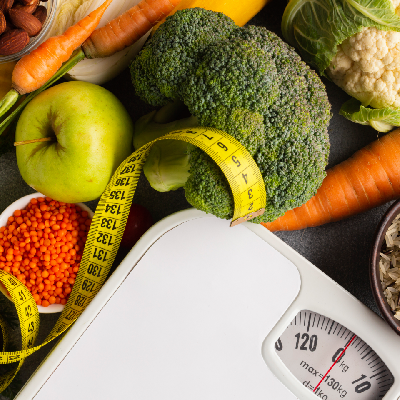


Eating healthy does not mean giving up your favourite foods or following a strict diet. It means making better food choices, eating balanced meals and developing habits that support your overall well-being. Following practical healthy food tips can help you include more nutrients in your daily diet, maintain energy levels and improve your relationship with food. Whether you are a student, working professional or homemaker, small changes in your eating habits can make a difference over time. A balanced diet with fruits, vegetables, whole grains, pulses, nuts and other nutritious foods can help you meet your daily nutritional needs.
Healthy Food Tips for Better Daily Eating Habits
Improving your eating habits does not require expensive ingredients or complicated meal plans. You can start with simple changes in your kitchen, grocery shopping routine and daily meals. Here are 15 practical tips to help you eat healthier every day.
1. Start Your Day with a Nutritious Breakfast
Breakfast helps you begin your day with energy and provides an opportunity to include nutritious foods in your diet. Instead of relying on sugary cereals, biscuits or packaged snacks, choose balanced breakfast options.
You can eat vegetable poha, oats, dalia, besan chilla, idli with sambar, eggs with whole-wheat toast or fruit with curd. A breakfast containing fibre and protein can help you feel satisfied for longer.
2. Include More Fruits and Vegetables in Your Meals
Fruits and vegetables provide vitamins, minerals, fibre and other beneficial nutrients. Try to include different colours of fruits and vegetables in your daily meals rather than eating only one type.
Add spinach, carrots, tomatoes, cucumber, beetroot, seasonal fruits, oranges, guava and papaya to your meals. You can also include vegetables in parathas, dal, sandwiches, pulao and homemade soups.
3. Choose Whole Grains Instead of Refined Grains
Whole grains contain fibre and other nutrients that may be reduced during the refining process. Replacing some refined grains with whole grains is a simple way to improve the quality of your diet.
Choose whole-wheat roti, oats, brown rice, dalia, millet, ragi and other whole grains more often. You do not need to completely stop eating white rice. Instead, try adding more variety to your meals.
4. Add Protein-Rich Foods to Your Daily Diet
Protein is an important nutrient that supports muscle maintenance, growth and normal body functions. Including protein-rich foods in your meals can also help make meals more satisfying.
Good protein sources include dal, chickpeas, rajma, paneer, tofu, eggs, curd, milk, nuts and seeds. For example, you can add dal to lunch, curd to your meal or boiled chana to your evening snack.
5. Drink Enough Water Throughout the Day
Staying hydrated is an important part of maintaining healthy daily habits. Water helps your body regulate temperature, transport nutrients and perform normal functions.
Keep a water bottle with you and drink water regularly throughout the day. You can also get fluids from foods such as watermelon, cucumber, oranges and soups. Avoid relying too much on sugary drinks, packaged juices and soft drinks for hydration.
6. Reduce Added Sugar in Your Daily Diet
Eating too much added sugar can increase your overall calorie intake without providing many essential nutrients. It is helpful to reduce sugary foods and drinks and choose healthier alternatives more often.
Limit excess sugar in tea and coffee, packaged juices, soft drinks, sweets, cakes and biscuits. If you want something sweet, try fresh fruit, homemade kheer with less sugar or a small portion of your favourite dessert.
7. Control Your Portion Sizes
Eating nutritious food is important, but the amount you eat also matters. Large portions may cause you to eat more than your body needs, even when the food is healthy.
Try using a smaller plate and serve reasonable portions of rice, roti, dal, vegetables and other foods. Eat slowly and take additional servings only if you are still hungry. Avoid forcing yourself to finish food when you feel comfortably full.
8. Choose Healthy Snacks Between Meals
Snacking can be part of a balanced diet when you choose nutritious foods. Instead of regularly eating chips, namkeen, cream biscuits or fried snacks, try healthier options.
Some easy snack choices include:
- Roasted chana
- Fresh fruit
- Plain curd
- A handful of nuts
- Homemade vegetable sandwiches
- Boiled eggs
- Sprouts chaat
These snacks can help you add more variety and nutrients to your daily eating routine.
9. Include Healthy Fats in Moderation
Healthy fats are an important part of a balanced diet. They help your body absorb certain vitamins and provide energy. The key is to choose suitable sources and consume them in reasonable amounts.
Include foods such as walnuts, almonds, peanuts, flaxseeds, chia seeds and other seeds. Use cooking oils in moderation and avoid making deep-fried foods a regular part of your meals.
10. Eat More Fibre-Rich Foods
Fibre supports digestion and helps maintain regular bowel movements. Fibre-rich foods can also help you feel full after meals.
Include oats, whole-wheat roti, fruits, vegetables, beans, lentils, peas and seeds in your daily diet. Instead of removing the skin from fruits and vegetables unnecessarily, keep it when it is edible and properly washed.
11. Reduce Excess Salt in Your Meals
Eating too much salt can contribute to high blood pressure. Reducing excess salt is a useful step towards healthier eating habits.
Avoid adding extra salt at the table and limit packaged foods, instant noodles, salty snacks, pickles and processed foods. Use ingredients such as garlic, ginger, lemon, coriander, mint and spices to add flavour to your meals without depending on too much salt.
12. Plan Your Meals in Advance
Meal planning can help you make healthier food choices, save time and reduce dependence on takeaway meals. When you plan your meals, you are more likely to have nutritious ingredients available at home.
Prepare a simple weekly plan that includes breakfast, lunch, dinner and snacks. Keep ingredients such as dal, vegetables, fruits, curd, whole grains and nuts ready. You can also prepare some ingredients in advance to make cooking easier on busy days.
13. Eat Slowly and Practise Mindful Eating
Eating slowly allows you to pay attention to your food, hunger and fullness signals. Many people eat quickly while watching television, using their phones or working, which can make it difficult to notice when they are full.
Try to eat meals without distractions whenever possible. Chew your food properly, enjoy its taste and stop eating when you feel comfortably satisfied. Mindful eating can help you build a healthier relationship with food.
14. Include Iron-Rich Foods in Your Diet
Iron is an essential mineral that helps the body produce haemoglobin, which carries oxygen in the blood. Including iron-rich foods in your diet is important for meeting your nutritional needs.
Foods such as lentils, chickpeas, beans, spinach, sesame seeds and fortified cereals can provide iron. Eating vitamin C-rich foods such as lemon, amla, guava or oranges alongside plant-based iron sources may help improve iron absorption.
If you want to learn more, read our guide on 20 Best Foods to Increase Hemoglobin Naturally, which explains different foods that can help support iron intake.
15. Build Consistent and Balanced Eating Habits
Healthy eating is not about following a perfect diet every day. It is about making balanced food choices consistently while allowing flexibility for occasional treats.
Try to maintain regular meal timings, include different food groups, eat homemade meals more often and avoid skipping meals unnecessarily. If you enjoy sweets or your favourite snacks, you can include them occasionally in reasonable portions without feeling guilty.
Small, consistent changes are easier to maintain than strict diets that are difficult to follow for a long time.
How to Build a Balanced Meal Every Day
A simple way to improve your daily meals is to include a combination of different food groups. A balanced meal can contain:
- Vegetables: Seasonal vegetables, leafy greens, carrots, cucumber or salad.
- Protein: Dal, rajma, chana, paneer, tofu, eggs or curd.
- Whole grains: Roti, brown rice, oats, millet or other whole grains.
- Healthy fats: Nuts, seeds or a moderate amount of cooking oil.
- Fruits: Fresh fruits as part of meals or snacks.
For more information on a healthy diet, you can also read the World Health Organization’s healthy diet guidelines, which explain important principles of balanced nutrition.
Frequently Asked Questions (FAQs)
What are the best healthy food tips for beginners?
Start by eating more fruits and vegetables, drinking enough water, including protein in your meals, choosing whole grains and reducing excess sugar and salt. Make small changes gradually so they are easier to maintain.
How can I improve my daily eating habits?
You can improve your daily eating habits by planning meals, eating breakfast, choosing homemade food more often, controlling portions, eating slowly and including a variety of nutritious foods in your diet.
Which foods should I eat every day for better health?
Try to include fruits, vegetables, whole grains, pulses, protein-rich foods, nuts and seeds in your daily meals. A variety of foods helps you get different nutrients your body needs.
Is homemade food healthier than packaged food?
Homemade food is often easier to manage because you can control the ingredients, salt, sugar and cooking oil. However, packaged foods can also be part of a balanced diet when you choose suitable options and check their nutrition labels.
Can healthy eating improve energy levels?
Eating balanced meals containing carbohydrates, protein, healthy fats, vitamins and minerals can support your body’s energy needs. Regular meals, adequate hydration and sufficient sleep also contribute to your overall energy and well-being.
Conclusion
Developing healthy eating habits does not have to be difficult. By following these 15 healthy food tips, you can make simple changes to your daily meals, choose more nutritious foods and build a balanced eating routine. Focus on eating a variety of fruits, vegetables, whole grains, pulses, protein-rich foods and healthy fats while limiting excess sugar and salt. Remember, consistency matters more than perfection. Start with a few small changes and gradually make them part of your lifestyle. At GoHealthyPro, we share practical health, nutrition and wellness information to help you make informed choices and support your journey towards healthier living.
Disclaimer
This article is for general health and wellness information only. It is not intended to diagnose, treat or prevent any medical condition. Food does not guarantee changes in serotonin levels or mental health outcomes. If you have a health concern or are taking medicines that affect serotonin, speak with a qualified healthcare professional.