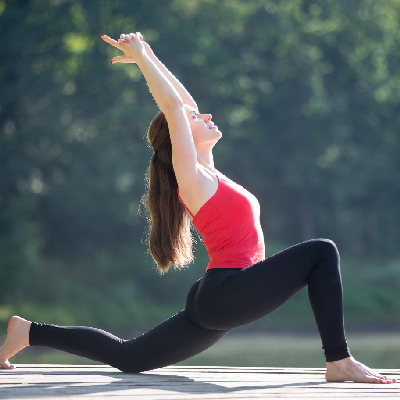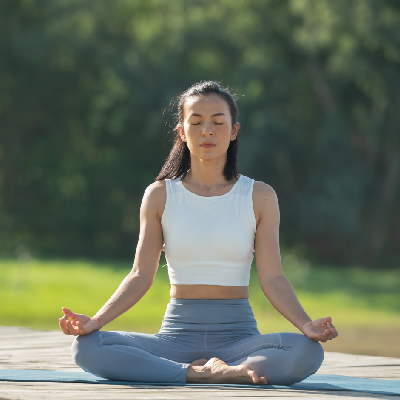


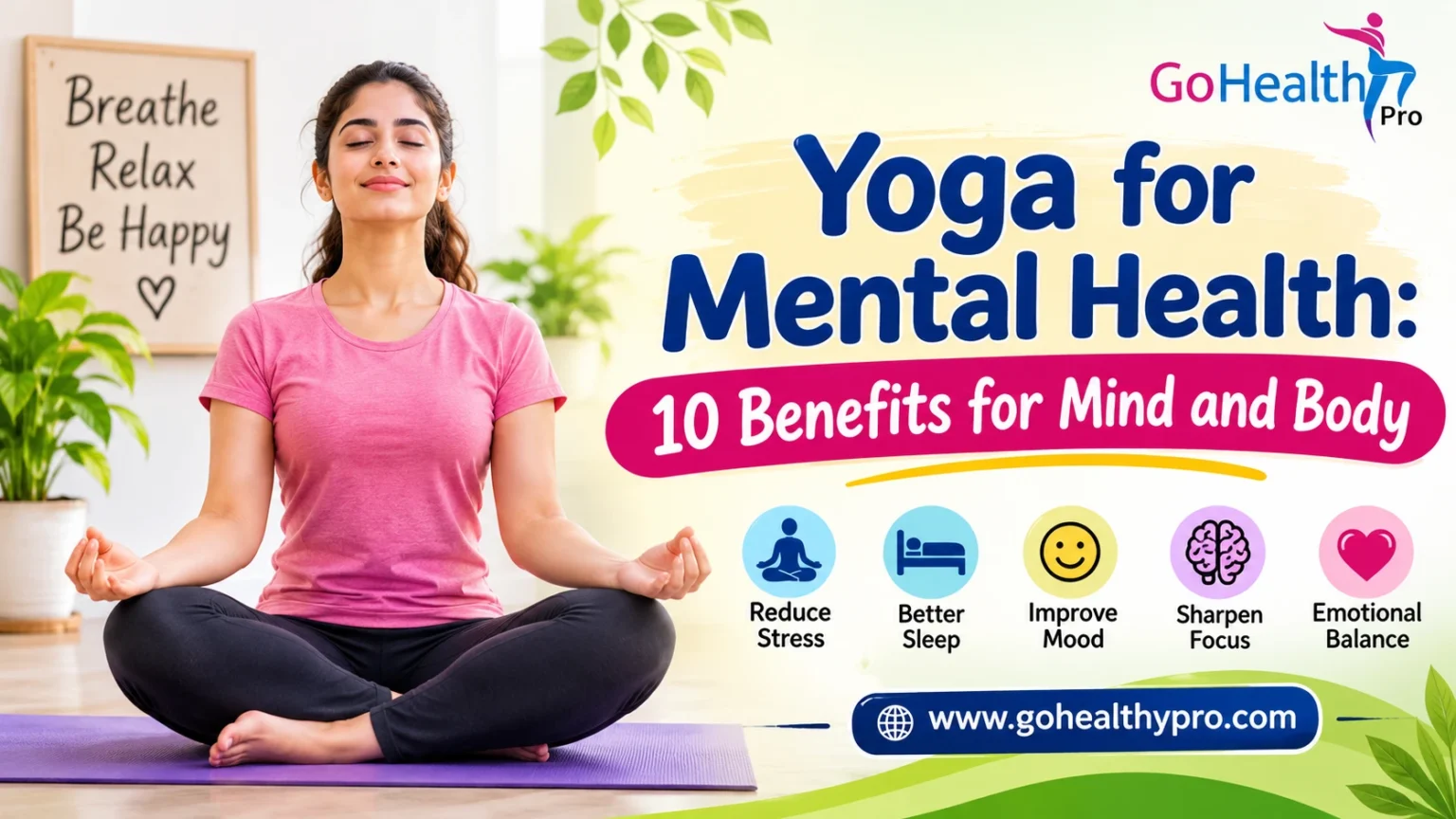
Yoga is more than a physical exercise. It combines gentle movements, breathing techniques and mindfulness to support both physical and emotional wellbeing. In today’s busy lifestyle, many people experience stress, overthinking, poor sleep and difficulty concentrating. Practising yoga regularly can help create a peaceful routine and improve the connection between the mind and body. Yoga for mental health is a simple way to support emotional wellbeing, manage everyday stress and develop a more balanced lifestyle.
You do not need to be flexible or experienced to start yoga. Even a few minutes of gentle stretching, breathing exercises or meditation can become a positive part of your daily routine, helping you feel calmer, more focused and relaxed.
lifestyle practices.
Yoga for Mental Health: Supporting Mental and Emotional Wellbeing
Yoga encourages people to slow down, focus on their breathing and pay attention to the present moment. Gentle movements help release physical tension, while breathing exercises may encourage relaxation and mindfulness.
When you practise yoga, you give yourself time away from daily distractions. This can help you recognise your emotions, manage stressful situations and develop a more balanced approach to everyday challenges. Yoga may also support healthy sleep habits and improve your overall sense of wellbeing when combined with other healthy lifestyle practices.
10 Benefits of Yoga for Mental Health
1. Helps Manage Everyday Stress
Yoga for stress relief combines slow movements and breathing exercises that encourage relaxation. Practising yoga after a busy workday may help you feel calmer and release some of the tension that builds up during daily activities. It can also give you a few quiet minutes to reset your mind.
2. Encourages Relaxation
Gentle yoga stretches can help relax tight muscles and reduce physical tension. When you combine stretching with slow breathing, you can create a calming routine that helps you feel more relaxed. Practices such as Shavasana (Corpse Pose) allow your body to rest while you focus on your breathing.
3. Supports Better Sleep
Relaxing yoga before bedtime may help you prepare for sleep. Gentle stretches and mindful breathing can help you unwind after a long day and reduce distractions before going to bed. For more ideas, read our guide on Yoga Meditation for Better Sleep and Relaxation.
4. May Improve Mood
Regular yoga practice may support a more positive mood and general emotional wellbeing. Spending time moving your body, breathing deeply and focusing on yourself can help you feel refreshed. It also provides a healthy activity that you can enjoy without pressure or competition.
5. Builds Mindfulness
Mindfulness means paying attention to the present moment without judging your thoughts or feelings. Yoga encourages mindfulness by helping you focus on your body, breathing and movements. This practice may help you become less distracted by worries about the past or future.
6. Supports Concentration and Focus
Yoga can help you practise staying focused on one activity at a time. During a yoga session, you pay attention to your posture, breathing and balance. Over time, this habit may help you become more aware and focused during everyday tasks, studies or work.
7. Encourages Emotional Balance
Yoga gives you time to recognise your emotions instead of reacting immediately. When you feel frustrated, anxious or overwhelmed, mindful breathing can help you pause and respond more calmly. This may support healthier emotional habits in daily life.
8. Improves Self-Awareness
Yoga helps you understand how your body and mind respond to different situations. You may notice when you feel tired, stressed or uncomfortable. This awareness can encourage you to take breaks, rest when needed and make healthier choices for your wellbeing.
9. May Help Reduce Physical Tension
Stress can sometimes cause tightness in the shoulders, neck, back and other areas of the body. Gentle yoga movements may help improve flexibility and release some of this tension. Regular stretching can also make daily movements feel more comfortable.
10. Supports Overall Mental Wellness
Yoga can become a positive part of a healthy lifestyle. Along with balanced meals, regular physical activity, proper sleep and social connection, yoga may support your overall mental wellness. It is a simple activity that allows you to care for your body and mind together.
Research suggests yoga may help support stress management, sleep and emotional wellbeing, although benefits can vary between individuals and study results are not always consistent.
NCCIH+1
Simple Yoga Practices for Beginners
You do not need advanced poses or expensive equipment to begin practising yoga. Start with simple movements and choose a comfortable space at home.
- Deep breathing: Sit comfortably and take slow, gentle breaths. Notice how your breathing feels without forcing it.
- Child’s Pose (Balasana): Kneel on the mat, bend forward gently and rest your body in a comfortable position.
- Cat-Cow Stretch: Move slowly between gently arching and rounding your back while coordinating with your breath.
- Mountain Pose (Tadasana): Stand comfortably, keep your body relaxed and focus on your posture and balance.
- Shavasana: Lie on your back, relax your muscles and allow your breathing to return to its natural rhythm.
Choose poses that feel comfortable and avoid pushing your body beyond its limits.
How to Make Yoga a Part of Your Daily Routine
Consistency matters more than the length of your yoga session. Try these simple tips to develop a regular practice:
- Start with 10 to 15 minutes of yoga every day.
- Choose a fixed time, such as morning or before bedtime.
- Practise in a quiet and comfortable place.
- Wear comfortable clothing that allows easy movement.
- Follow beginner-friendly yoga videos or learn from a qualified instructor.
- Avoid comparing your flexibility or progress with others.
If you want to explore more ways to support your mental wellbeing, read our related guide on Yoga for Better Mental Health and Peace. You can combine simple yoga movements with meditation and breathing exercises to create a routine that suits your lifestyle.
For more evidence-based information, visit the National Center for Complementary and Integrative Health (NCCIH), which explains the research on yoga, its potential benefits and safety considerations.
Frequently Asked Questions (FAQs)
Can yoga improve mental health?
Yoga may support mental health by helping people manage stress, practise mindfulness, relax and develop healthy daily habits. However, it is not a replacement for professional mental health treatment.
How much yoga should I practise for mental wellness?
Beginners can start with 10 to 15 minutes a day. You can gradually increase the duration as you become comfortable. Practising regularly may help you build a healthy routine.
Which yoga is best for mental health?
Gentle yoga, Hatha yoga, restorative yoga, breathing exercises and mindfulness-based practices may be suitable for people looking to relax and improve their mental wellbeing. Choose a style that matches your comfort and fitness level.
Can yoga help with anxiety and stress?
Yoga may help some people manage everyday stress and anxiety symptoms through relaxation, breathing and mindfulness. However, people with anxiety disorders should seek professional guidance, as yoga alone may not be sufficient treatment.
Is yoga suitable for beginners?
Yes, beginners can practise simple yoga poses, gentle stretches and breathing exercises. Start slowly, choose comfortable movements and consult a qualified healthcare professional if you have an injury, medical condition or other health concern.
Conclusion
Yoga is a simple and practical way to support mental and physical wellbeing. From managing everyday stress and improving relaxation to supporting better sleep, mindfulness and emotional balance, regular yoga practice can become a valuable part of a healthy lifestyle. You do not need to master difficult poses or spend hours practising. Start with gentle movements, focus on your breathing and give yourself time to build consistency. Yoga is not a substitute for professional mental health care, but it may complement other healthy habits and support your overall wellbeing. GoHealthyPro encourages readers to explore simple wellness practices, make mindful lifestyle choices and take small steps towards a healthier and more balanced life.
Disclaimer: This article is for general educational purposes only and does not replace professional medical advice, diagnosis, or treatment. Consult a qualified healthcare professional for personalised guidance, particularly if you have ongoing mental health concerns or an existing medical condition.