


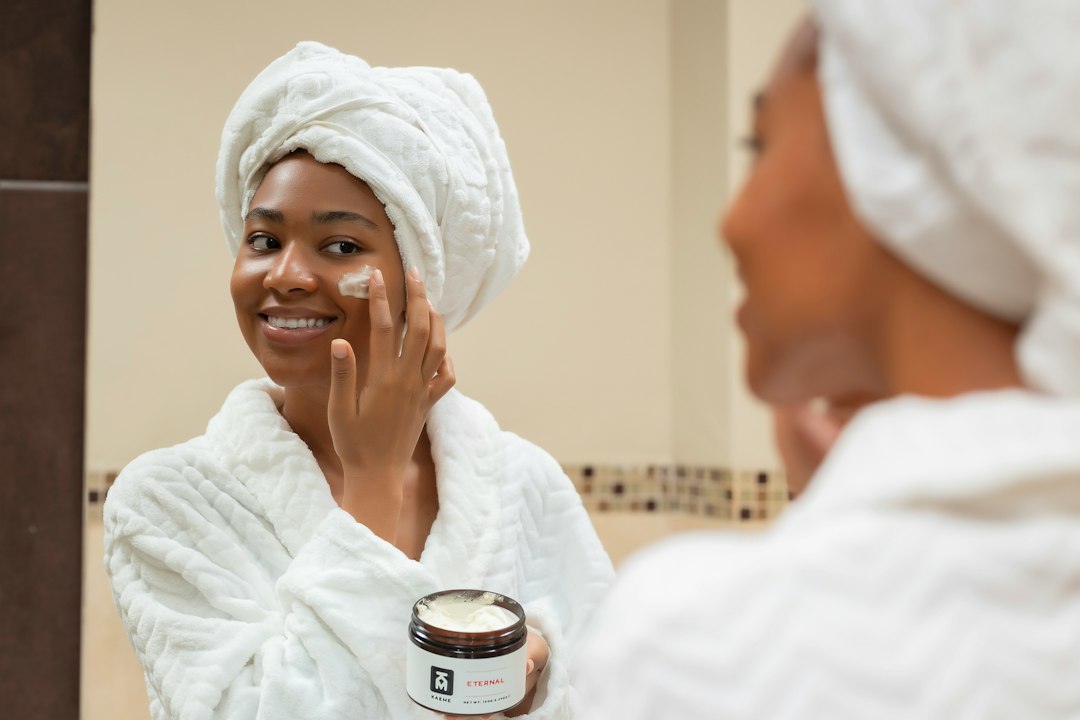
Walk into any pharmacy or scroll through your phone for five minutes and skincare can start to feel like a maze: serums, toners, essences, peels and routines with ten steps. If you are just getting started, here is the good news. A skincare routine for beginners can be short, affordable and easy to stick to.
Most dermatology guidance comes back to the same three basics: cleanse, moisturise and protect your skin from the sun. This guide explains each step in plain language, shows what a morning and night routine can look like, and covers how to add new products safely. It also points out a few things that matter in India, such as strong sunshine and dark spots. It is general information, not personal medical advice, because every person’s skin is different.
In this article
The Three Core Steps of a Skincare Routine for Beginners
You do not need ten products to look after your skin. Dermatologists quoted by the American Academy of Dermatology (AAD) describe a good routine as simple: cleanse, treat and prevent, and they point to sunscreen as the most effective single product. For a beginner, that boils down to three steps.
| Step | What it does | When |
|---|---|---|
| Cleanse | Removes sweat, oil, dust and leftover sunscreen | Night, and morning if you wish |
| Moisturise | Helps keep skin soft and comfortable | Morning and night |
| Sunscreen | Protects against UV rays that cause sunburn, sun spots and skin damage | Every morning, reapplied outdoors |
Step 1: Cleanse Gently
Cleansing clears away sweat, oil, pollution and the sunscreen you wore during the day. The aim is clean skin, not squeaky skin. Stripping the skin can leave it tight, dry and irritated.
- Choose a gentle cleanser. A gel or foaming one often suits oily skin, a creamy one often suits dry skin, and a fragrance-free one is a safer start for sensitive skin.
- Use lukewarm water, not hot.
- Massage with your fingertips and avoid hard scrubbing.
- Wash twice a day and after heavy sweating. Washing again and again does not make skin cleaner.
- Pat dry with a clean towel instead of rubbing.

If you live somewhere hot, humid or dusty, or you sweat a lot on your commute, a quick rinse with water in the morning and a proper wash at night is a practical way to start.
Step 2: Moisturise
A moisturiser helps your skin hold on to water and feel comfortable. Many dermatologists suggest one for all skin types, including oily skin, which usually does well with a light gel or lotion labelled non-comedogenic (meaning it is designed not to block pores).
- Oily or acne-prone skin: a light, oil-free gel or lotion.
- Dry skin: a thicker cream. Our guide to a skincare routine for dry skin goes into more detail.
- Sensitive skin: a plain, fragrance-free product with a short ingredient list.

Some moisturisers contain sunscreen. That can save time in the morning, but check the label and still reapply if you are outdoors for long.
Step 3: Use Sunscreen Every Morning
If you only do one thing, make it sunscreen. India has strong sun for much of the year, and UV rays can cause sunburn, sun spots and long-term skin damage.
The AAD recommends a sunscreen that has three things on the label:
- Broad-spectrum protection, meaning it protects against both UVA and UVB rays
- SPF 30 or higher
- Water resistance
A few habits make it work better, according to the AAD’s guidance on common sunscreen mistakes:
- Apply enough to cover all skin that clothing does not, including the neck and ears.
- Put it on about 15 minutes before going outside.
- Reapply every two hours when outdoors, and after swimming or sweating.
- Use it on cloudy days too, not just when the sun is bright.

Dark spots and Indian skin
Dark spots and uneven patches are common concerns in India. A review in the Indian Journal of Dermatology notes that melasma and post-inflammatory hyperpigmentation (dark marks left after acne or irritation) can be made worse by UV rays and visible light, and that sunscreen is an important part of managing them. The AAD adds that a tinted sunscreen containing iron oxide may better protect against dark spots.
This does not mean everyone needs a tinted product, and sunscreen cannot replace treatment from a doctor. If you already have stubborn patches, speak to a dermatologist. If your skin is sensitive, read our guide on mineral sunscreens for sensitive skin.
A Simple Morning and Night Skincare Routine
Here is how the three steps fit into a day. Keep it this basic for the first few weeks.
| Time | Steps |
|---|---|
| Morning | 1. Rinse with water or use a gentle cleanser 2. Moisturiser 3. Sunscreen |
| Night | 1. Gentle cleanser, to remove sunscreen, sweat and dirt 2. Moisturiser |
If you use any medicated cream prescribed by a doctor, it is usually applied after cleansing and before moisturiser. Follow your doctor’s instructions for that product.
Know Your Skin Type
Choosing products is easier when you know what your skin usually does. These are common descriptions, not a diagnosis:
- Normal: mostly comfortable, not very oily or dry.
- Oily: looks shiny, especially on the forehead, nose and chin, and may be prone to breakouts.
- Dry: often feels tight, rough or flaky.
- Combination: oily in some areas, dry or normal in others.
- Sensitive: stings, burns or turns red easily with new products.
Skin can change with seasons, hormones, stress and age, so it is fine to adjust your moisturiser through the year. Men can follow the same basics too. Read more in our article on men vs women skincare.
How to Add New Products Safely
Once your basic routine feels comfortable, you may want to try something new. Go slowly, so you know which product is responsible if your skin reacts.
- Patch test first. Apply a small amount to the inner forearm or behind the ear. Wait at least 24 hours, and know that some reactions can take up to 72 hours to show, as explained in this guide to patch testing.
- Watch for warning signs. Burning, itching, swelling or a rash means you should wash the product off and stop using it.
- Add one product at a time. Dermatologists commonly suggest waiting one to two weeks before adding another.
- Be careful with strong actives. Ingredients such as retinoids or exfoliating acids can irritate skin. You do not need them as a beginner. Ask a dermatologist before starting.
- Check expiry dates and avoid products that look or smell different from when you bought them.
Common Beginner Mistakes
- Using too many products at once. If your skin reacts, you cannot tell why.
- Scrubbing or over-washing. This can damage the skin barrier and make breakouts or dryness worse. Some everyday habits can affect breakouts, as we explain in daily habits that could be making acne worse.
- Skipping sunscreen. It is easy to forget, but it is the step with the strongest dermatology backing.
- Copying a viral routine. What suits someone else’s skin and climate may not suit yours.
- Expecting quick results. Skin changes gradually, so give a routine several weeks unless it irritates you.
Does What You Eat Matter for Your Skin?
Food is not a replacement for a skincare routine, and research on diet and skin is still developing. A balanced eating pattern supports overall health, and your skin is part of that. Sensible, mixed meals are enough for most people. Examples include:
- Vegetarian options: fruits and vegetables, nuts and seeds, lentils and chickpeas, curd and paneer.
- Non-vegetarian options: eggs, fish and chicken.
What suits you depends on your age, health, allergies, culture and budget. For more detail, see our articles on how your diet affects skin health and skin repair foods. If you need personal dietary advice, speak to a registered dietitian or doctor.
When to See a Dermatologist
A basic routine is for general skin care. It does not treat skin conditions. Please see a qualified doctor or dermatologist if you have:
- Acne that is painful, leaves marks, or does not improve (see 7 signs you should see a dermatologist for acne)
- A rash, itching or redness that keeps coming back
- Dark patches that are spreading or not fading
- A mole or spot that changes in size, shape or colour, or a sore that does not heal
- A strong reaction to a product, such as swelling or blistering
If you already have eczema, rosacea or another skin condition, ask your doctor which products are safe for you before changing your routine.
Frequently Asked Questions
How many steps should a skincare routine for beginners have?
Three steps are enough: cleanse, moisturise and apply sunscreen in the morning. At night, you can skip the sunscreen. Extra products such as serums or toners are optional, and most beginners do not need them. Start simple and add something only if you have a clear reason.
Do I need a toner or serum to start?
No. A toner or serum is not required for healthy skin. Cleansing, moisturising and sunscreen cover the basics. If you are curious about a serum, patch test it and add it on its own, or ask a dermatologist whether it suits your skin and your concerns.
Can I skip moisturiser if I have oily skin?
Many dermatologists recommend a moisturiser for all skin types. Oily skin usually does best with a light, oil-free gel or lotion labelled non-comedogenic. If you are not sure which one suits you, patch test it first and speak to a dermatologist about acne-prone skin.
Should I wear sunscreen on cloudy days or indoors?
Yes on cloudy days if you will be outdoors, because the AAD lists using sunscreen only in bright sun as a common mistake. If you spend the whole day indoors away from windows, you may need less. Wear it whenever you will be outside, and reapply every two hours.
How long does it take to see results from a skincare routine?
Skin changes slowly, so give a simple routine several weeks of regular use before judging it. A basic routine mainly helps your skin stay comfortable and protected. It cannot promise a particular result. If you notice irritation, stop the new product and see a doctor if it persists.
Is a patch test really necessary?
It is a sensible precaution, especially for products with fragrance or active ingredients, and if your skin is sensitive. A patch test cannot rule out every reaction, but it can catch obvious irritation early. Test one product at a time, and wait at least 24 hours before using it on your face.
Can men and women use the same beginner routine?
Yes. The basics of cleansing, moisturising and sunscreen are the same for everyone, even though skin can differ from person to person. Men who shave may need to choose gentler products and moisturise afterwards. Our article on men vs women skincare explains the details.
Final Thoughts
A good skincare routine for beginners does not need to be expensive or complicated. Cleanse gently, moisturise, wear sunscreen every morning, and add new products slowly. Be patient, and ask a dermatologist when something is not working. For more ideas, explore our 10 natural beauty tips for healthy, glowing skin and the rest of our skin care articles.
Sources
- American Academy of Dermatology: Sunscreen FAQs
- American Academy of Dermatology: Common sunscreen mistakes
- American Academy of Dermatology: How to apply sunscreen
- American Academy of Dermatology: Skin care tips that dermatologists use themselves
- AAD press release: Dermatologists share tips to save on skin care costs
- Indian Journal of Dermatology, 2020: The role of sunscreen in melasma and postinflammatory hyperpigmentation
- Acibadem Health Library: Patch testing skin care products