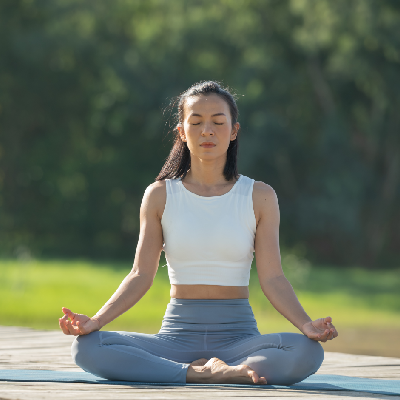



Mental health is an important part of overall wellbeing. Just as people care for their physical health through healthy food, exercise and good sleep, taking care of the mind is also important for a balanced lifestyle. Mental wellness is not about feeling happy all the time. It is about developing healthy ways to manage everyday challenges, emotions, relationships and responsibilities.
Modern life can bring many sources of stress, including work pressure, studies, family responsibilities, financial concerns and excessive screen time. While some stress is a normal part of life, making time for self-care and healthy habits can help support emotional wellbeing.
GoHealthyPro focuses on simple and practical health information that can help readers understand healthy lifestyle choices. Along with physical fitness and nutrition, mental wellbeing deserves a regular place in your daily routine.
What Is Mental Wellness?
Mental wellness refers to the overall state of your emotional, psychological and social wellbeing. It can influence how you think, feel, behave and respond to everyday situations.
Good mental wellness does not mean that you will never experience stress, sadness, worry or difficult emotions. Instead, it involves developing healthy habits and coping skills that can help you handle everyday ups and downs.
Mental wellness can include:
- Understanding and managing emotions
- Maintaining healthy relationships
- Getting enough rest and sleep
- Staying physically active
- Eating a balanced diet
- Making time for relaxation
- Managing everyday stress
- Setting healthy boundaries
- Asking for support when needed
- Maintaining a balanced daily routine
According to the World Health Organization’s information on mental health, mental health is an important part of overall health and wellbeing.
Why Mental Wellness Is Important?
Your mind and body are closely connected. When you regularly neglect rest, physical activity, social connections or emotional needs, it can become harder to maintain a healthy routine.
Supporting mental wellness can encourage you to pay attention to your emotions, maintain relationships and make healthier lifestyle choices.
A healthy approach to mental wellbeing can also help you become more aware of your daily habits. For example, poor sleep may leave you feeling tired, while a lack of physical activity can make your routine feel less active.
This does not mean that lifestyle habits can solve every mental health concern. However, healthy daily practices can be an important part of overall wellbeing.
10 Simple Ways to Support Mental Wellness
There is no single routine that works for everyone. The following mental health tips can be adjusted according to your lifestyle, preferences and daily responsibilities.
1. Create a Healthy Daily Routine
A regular routine can make your day more organised and predictable. When you know when you will work, eat, exercise, relax and sleep, it can become easier to manage daily responsibilities.
You do not need to create a strict timetable. Start with a few basic habits.
For example:
- Wake up at a consistent time
- Eat meals at regular times
- Set aside time for physical activity
- Take short breaks during work or study
- Spend some time away from screens
- Follow a relaxing bedtime routine
A balanced routine should also include enough flexibility. Some days may not go according to plan, and that is normal.
For more practical lifestyle ideas, explore these Healthy Lifestyle Habits that can support an active and balanced routine.
2. Make Physical Activity Part of Your Day
Exercise is not only about physical fitness. Regular movement can also be part of a healthy lifestyle that supports emotional wellbeing.
You do not always need a gym or expensive equipment. Walking, stretching, cycling, dancing and simple home exercises can help you stay active.
If you have limited time, break your activity into shorter sessions throughout the day. Even a short walk during a work break can provide an opportunity to move and take your attention away from a screen.
Beginners can start with simple exercises and gradually build a routine.
Try activities such as:
- Brisk walking
- Light stretching
- Squats
- Yoga
- Dancing
- Cycling
- Simple bodyweight exercises
You can also read about Fitness Habits for more ideas to include movement in your daily routine.
3. Prioritise Quality Sleep
Sleep plays an important role in everyday wellbeing. When you do not get enough rest, you may feel tired and find it harder to concentrate on daily tasks.
Creating a consistent sleep routine can support better rest.
Try these simple habits:
- Go to bed at a similar time each night
- Wake up at a regular time
- Keep your bedroom comfortable and quiet
- Reduce unnecessary screen use before bed
- Avoid working or studying in bed when possible
- Give yourself enough time to wind down
A relaxing evening routine may include reading, gentle stretching, breathing exercises or quiet music.
It is also useful to notice your own sleep pattern. If sleep problems continue or significantly affect your daily life, consider discussing them with a qualified healthcare professional.
4. Eat a Balanced and Varied Diet
Food provides nutrients and energy that your body needs every day. A balanced eating pattern can be part of a healthy lifestyle and overall wellbeing.
Instead of focusing on one particular food, aim for variety.
Your meals can include:
- Vegetables and fruits
- Whole grains
- Pulses and legumes
- Nuts and seeds
- Protein-rich foods
- Healthy sources of fats
- Adequate fluids
Try to avoid skipping meals regularly, especially when you have a busy schedule.
Food should also be approached without unnecessary guilt. A balanced diet is about overall eating patterns rather than expecting every meal to be perfect.
5. Stay Hydrated
Water is essential for normal body functions, and staying hydrated is an important part of everyday health.
Busy schedules can sometimes make people forget to drink enough fluids. Keep a water bottle nearby at work, college or while travelling so that drinking water becomes easier.
Your fluid needs can vary depending on factors such as activity, weather and individual circumstances.
Along with water, fluids can come from foods and other beverages. If you have been advised to limit fluids because of a health condition, follow your healthcare professional’s advice.
6. Practise Mindfulness and Relaxation
Mindfulness means paying attention to the present moment rather than constantly focusing on the past or worrying about the future.
You can practise mindfulness through simple activities.
For example:
- Sit quietly for a few minutes
- Focus on your breathing
- Pay attention while eating
- Take a slow walk without checking your phone
- Notice sounds and surroundings
- Spend a few minutes stretching
Relaxation does not need to take a lot of time. Even five minutes of quiet time can give you an opportunity to pause during a busy day.
If you enjoy yoga or meditation, you can also explore Yoga and Meditation for Better Sleep and Relaxation as part of a healthy lifestyle.
7. Maintain Healthy Social Connections
Human beings need social connections. Spending time with supportive family members, friends, colleagues or community groups can contribute to emotional wellbeing.
Social connection does not always mean having a large group of friends. One or two trusted people can also provide meaningful support.
Make time to:
- Talk to someone you trust
- Share a meal with family
- Meet a friend
- Participate in a hobby group
- Join a community activity
- Check in with someone who matters to you
If you are going through a difficult period, talking to someone can help you feel less alone.
At the same time, healthy relationships should include respect and boundaries. You do not need to be available to everyone all the time.
8. Take Regular Breaks From Screens
Phones, computers and social media are now part of everyday life. They can be useful for communication, work and entertainment, but spending long periods on screens can make it harder to disconnect.
Consider taking short breaks throughout the day.
You can:
- Put your phone away during meals
- Take a short walk without your phone
- Avoid unnecessary scrolling before bedtime
- Turn off non-essential notifications
- Spend time on hobbies away from screens
- Keep some parts of your day screen-free
You do not have to completely stop using social media. The goal is to create a healthier balance between digital activities and real-world experiences.
9. Set Realistic Goals and Healthy Boundaries
Having goals can give your day a sense of direction, but unrealistic expectations can create unnecessary pressure.
Instead of trying to change everything at once, choose one or two manageable goals.
For example, instead of saying, “I will exercise for one hour every day,” you could start with a short walk several days a week.
The same approach can apply to work, studies, household responsibilities and personal projects.
Healthy boundaries are also important. Learn to recognise when your schedule is becoming too demanding.
You can practise saying:
- “I need some time to think about this.”
- “I cannot take this on today.”
- “I will get back to you later.”
- “I need some time to rest.”
Setting boundaries does not mean being rude. It can help you manage your time and energy more effectively.
10. Make Time for Activities You Enjoy
Mental wellness is not only about productivity. Enjoyable activities also deserve space in your routine.
Choose activities that make you feel relaxed, interested or connected.
You could:
- Read a book
- Listen to music
- Cook a healthy meal
- Spend time outdoors
- Garden
- Draw or paint
- Play a sport
- Spend time with family
- Learn a new skill
- Enjoy a hobby
You do not need to turn every hobby into a productive activity. Sometimes simply enjoying something is enough.
GoHealthyPro encourages a balanced approach to health that includes physical activity, healthy lifestyle habits and attention to emotional wellbeing.
Simple Mental Health Tips for Managing Everyday Stress
Stress can come from many areas of life. While you may not be able to remove every source of stress, you can look for healthier ways to manage your daily responsibilities.
Try these practical steps:
Break Large Tasks Into Smaller Steps
A large task can feel overwhelming when you look at everything at once. Divide it into smaller actions and complete one step at a time.
Take Short Breaks
If you have been working or studying for a long period, take a short break. Stand up, stretch, drink some water or walk around.
Avoid Constant Multitasking
Trying to handle several tasks simultaneously can make it difficult to focus. When possible, complete one important task before moving to another.
Make Time for Yourself
A busy schedule should still include some personal time. Even 10 to 15 minutes for a quiet activity can make your routine feel more balanced.
Talk to Someone You Trust
If something is bothering you, consider speaking with someone you trust. Sharing your thoughts can be a useful part of maintaining social connection.
How Sleep, Exercise and Nutrition Support Mental Wellbeing?
Mental wellbeing is influenced by many factors, and everyday lifestyle habits can work together.
Sleep gives your body and mind time to rest. Physical activity keeps you moving and can become a positive part of your routine. Nutritious food provides energy and essential nutrients.
These habits should not be viewed as a replacement for professional mental health care. Instead, they are basic parts of a healthy lifestyle that can support overall wellbeing.
For example, you might create a simple daily routine like this:
Morning: Wake up, drink water, stretch and have a balanced breakfast.
Afternoon: Work or study, take short breaks and include some physical movement.
Evening: Spend time with family or friends, enjoy a hobby and reduce unnecessary screen use.
Night: Follow a calm bedtime routine and allow enough time for sleep.
Small habits can become easier to maintain when you connect them with activities you already do every day.
When Should You Seek Professional Mental Health Support?
Everyone experiences difficult emotions from time to time. However, persistent or serious concerns should not be ignored.
Consider speaking with a qualified mental health professional if emotional or psychological difficulties are:
- Continuing for a long period
- Making everyday activities difficult
- Affecting work or studies
- Affecting relationships
- Making it difficult to sleep or function normally
- Becoming difficult to manage on your own
A qualified professional can listen to your concerns and provide appropriate guidance based on your individual situation.
If you or someone else is in immediate danger or experiencing a mental health emergency, seek urgent help through local emergency services or an appropriate crisis support service.
Seeking professional support is not a sign of weakness. Mental health deserves the same level of attention and care as other aspects of health.
How to Build a Sustainable Mental Wellness Routine?
The best routine is one that you can realistically maintain.
You do not need to introduce all 10 habits at once. Start with one or two changes and allow yourself time to adjust.
For example:
Week 1: Focus on a regular sleep and wake-up schedule.
Week 2: Add a short daily walk.
Week 3: Make time for a relaxing activity.
Week 4: Review your screen habits and create some screen-free periods.
After that, you can gradually add other healthy habits.
Keep track of what works well for you, but avoid becoming overly strict. Your routine may need to change during busy periods, holidays, travel or other life events.
Consistency is useful, but flexibility is also part of a balanced lifestyle.
Final Thoughts
Supporting mental wellness does not require complicated changes. Simple habits such as getting enough sleep, staying active, eating balanced meals, drinking enough fluids, maintaining social connections and making time to relax can become valuable parts of everyday life.
The most important step is to start with realistic changes that fit your routine. You do not need to make everything perfect. Small, consistent actions can help you create a more balanced approach to your overall wellbeing.
GoHealthyPro provides general health and wellness information to help readers understand everyday healthy habits and make informed lifestyle choices.
Remember that lifestyle habits are only one part of mental health. If you have ongoing, severe or concerning symptoms, speak with a qualified healthcare professional for appropriate guidance.
Disclaimer
This article is for general health awareness and educational purposes only. It is not a substitute for professional medical or mental health advice. If you have ongoing or serious concerns about your mental health, consult a qualified healthcare professional for personalised guidance.
Frequently Asked Questions
What are the best mental wellness tips for beginners?
Start small. Pick two or three habits, like drinking more water, getting to bed earlier, or taking a 10-minute walk. Consistency matters far more than perfection. Build a foundation before adding more.
Why is mental wellness important?
Mental wellness is an important part of overall wellbeing. Supporting it can encourage healthy routines, positive relationships, emotional awareness and better ways of managing everyday challenges.
Can exercise really improve mental health?
Yes, and the science is solid. Physical activity releases endorphins, lowers cortisol (the stress hormone), and improves sleep quality—all of which directly boost your mood and mental clarity.
What foods are good for mental wellness?
Omega-3-rich foods like salmon and walnuts, leafy greens, berries, whole grains, and fermented foods like yogurt all support brain health. A balanced diet fuels both your body and your mind.
How does sleep affect mental health?
Poor sleep raises anxiety, weakens focus, and lowers emotional resilience. Even one bad night can affect your mood the next day. Aim for 7–9 hours of quality sleep to support your mental wellness.
Is meditation necessary for mental wellness?
No, it’s not required—but it’s one of the most effective tools available. Even 5 minutes of mindful breathing can lower stress hormones. If formal meditation feels hard, try journaling or quiet walks instead.