


10 Foods to Stay Active All Day
Energy Boosting Foods – 10 Foods to Stay Active All Day is the ultimate secret to transforming your daily routine from a sluggish struggle into a high-performance lifestyle. By choosing the right energy boosting foods, you provide your body with the high-quality fuel it needs to keep your mind sharp and your body moving from morning to night.

The Science of Food and Energy: How Your Body Uses Fuel
Think of your body like a smartphone. If you use a cheap, unofficial charger, your battery might fill up fast but drain even faster. High-sugar snacks are like those bad chargers—they give you a quick “spike” followed by a frustrating “crash.”
To maintain sustained energy, you need nutrient-dense snacks and meals that break down slowly. This process keeps your blood sugar steady. When you eat complex carbohydrates for energy, your body converts them into glucose at a measured pace, ensuring your “battery” stays in the green zone all day long. This is the foundation of nutritional stamina.
Best Energy Boosting Foods for All-Day Vitality
To truly fight off lethargy, you need a variety of natural energy boosters. Here are the top ten choices that fit perfectly into a busy lifestyle.
Oatmeal: The Ultimate Slow-Release Carb
Oatmeal is the gold standard for healthy energy foods. Because it is a whole grain, it is packed with fiber. This fiber slows down the absorption of sugar into your bloodstream. Imagine oatmeal as a slow-burning log on a campfire—it provides heat and light for hours rather than a quick, bright flash of paper.
Bananas: Nature’s Pre-Workout Snack
If you need a quick lift without the crash, bananas are the best foods for energy. They are rich in potassium, Vitamin B6, and complex carbs. For someone with a busy routine, they are the ultimate “grab-and-go” fuel. They help with muscle function and provide a natural sugar hit that is balanced by fiber.
Fatty Fish: Omega-3s for Brain Energy
Salmon and tuna aren’t just for dinner; they are essential for vitality-boosting foods. The Omega-3 fatty acids found in fish help reduce inflammation, which is a common cause of fatigue. Furthermore, these healthy fats support brain health, keeping you mentally focused during those long afternoon meetings.
Sweet Potatoes: Sustained Power from Complex Carbs
Sweet potatoes are a powerhouse in any diet for energy. They contain a healthy dose of manganese, which helps break down nutrients to produce energy. Plus, their high fiber content means you won’t experience the mid-afternoon slump often caused by white bread or pasta.
Eggs: The Protein-Packed Energy Source
One single egg contains high-quality protein and healthy fats. They also contain leucine, an amino acid that helps cells take in more blood sugar and stimulates energy production in the cells. It’s the perfect way to start a high-energy day.
Quinoa: The Balanced Grain for Endurance
Quinoa is a unique superfood for energy because it is a complete protein and a complex carb. This dual action provides the building blocks for muscle repair and the fuel for movement. It’s an easy addition to salads or as a rice replacement.
Greek Yogurt: Quick Fuel with Probiotic Benefits
Greek yogurt provides simple sugars like lactose and galactose that give quick energy when broken down. However, it’s also high in protein, which slows that process down. Maintaining good gut health through the probiotics in yogurt ensures your body can actually absorb the nutrients you eat.
Apples: Fiber and Natural Sugars for a Steady Lift
An apple a day does more than keep the doctor away—it keeps the nap away. Apples are rich in natural sugars and antioxidants. Because they are high in fiber, the sugar is released slowly, providing long-lasting dietary fuel.
Spinach: Iron-Rich Support to Fight Fatigue
If you feel constantly drained, you might be low on iron. Spinach is one of the best iron-rich foods for fatigue. Iron is essential for carrying oxygen to your cells. When your cells have oxygen, they can produce energy efficiently.
Seeds and Nuts: Healthy Fats for Long-Term Fuel
Walnuts, almonds, and chia seeds are packed with healthy fats for stamina. They are high in calories, but in a good way—they provide dense energy that keeps you full and focused. They are the perfect healthy snacks for office workers.
The Benefits of Choosing Low-Glycemic Energy Foods
Choosing foods with a low glycemic index (GI) is like choosing a long-lasting battery over a disposable one. Low-GI foods are digested slowly, causing a lower and slower rise in blood sugar levels.
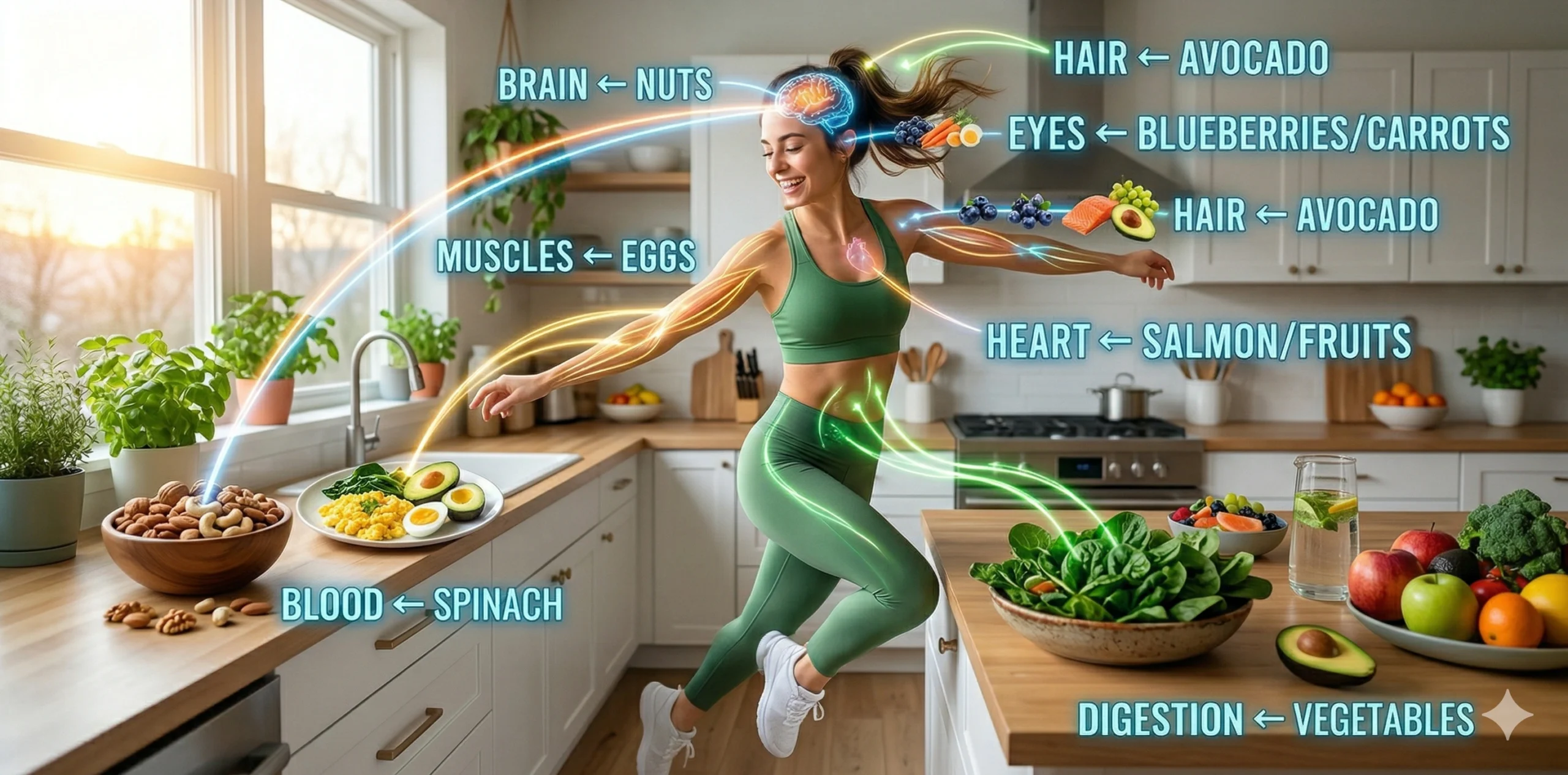
Benefits include:
-
- No “Brain Fog”: Steady glucose means a steady mind.
-
- Weight Management: You feel full longer, reducing the urge to reach for sugary “emergency” snacks.
-
- Consistent Mood: Blood sugar crashes are often linked to irritability and “hangry” feelings.
| Food Type | Energy Duration | Primary Nutrient |
| Oatmeal | Long (3-4 hours) | Fiber / Complex Carbs |
| Bananas | Medium (1-2 hours) | Potassium / Natural Sugar |
| Almonds | Long (3-5 hours) | Healthy Fats / Protein |
| Spinach | Systemic Support | Iron |
How to Stay Energized with a Busy Schedule
Knowledge is only half the battle; the other half is implementation. How to increase energy levels naturally often comes down to your system for eating.
Smart Snacking Strategies for the Office
Avoid the vending machine by keeping a “Power Drawer” at work. Fill it with nuts, seeds, and dried fruits (without added sugar). When you feel that 3 PM dip, a handful of almonds is much better for your metabolic health than a candy bar.
Meal Prepping for High-Energy Workdays
Success is found in the prep. By meal prepping, you ensure that your lunch isn’t a greasy burger that will make you sleepy. Prepare bowls with quinoa, spinach, and salmon on Sundays to keep your physical endurance high all week.
The Importance of Timing Your Meals
Don’t wait until you are “starving” to eat. Eating smaller, frequent meals or balanced snacks every 3 to 4 hours can keep your engine running. This prevents the large spikes and drops in insulin that lead to exhaustion.
Expert Tip: If you find yourself reaching for a third cup of coffee, try eating an apple or a handful of walnuts first. Often, your body needs fuel, not just a stimulant!
Lifestyle Habits That Complement Your Energy Intake
You can’t out-eat a bad lifestyle. To maximize the power of energy boosting foods, you must support your body’s other systems.
The Role of Hydration in Beating Slump
Fatigue is often the first sign of dehydration. If your blood is “thick” because you haven’t had enough water, your heart has to work harder to pump it, making you feel tired. Drink a glass of water with every meal to help your body transport those protective nutrients efficiently. High stress levels also drain water from your system, so stay hydrated to stay calm.
Quality Sleep and Energy Recovery
Food provides the fuel, but sleep provides the maintenance. Without quality sleep, your body cannot properly process the nutrients you consume. Aim for 7–9 hours to ensure your metabolism is ready to turn your breakfast into energy the next morning.
Common Myths About Energy-Boosting Snacks and Drinks
-
- Myth: Energy drinks are the best for long days. * Reality: Most energy drinks are just caffeine and sugar. They provide a “fake” energy that leaves you more tired 2 hours later.
-
- Myth: Carbohydrates are the enemy.
-
- Reality: Carbs are your body’s preferred energy source. The key is choosing complex carbs like sweet potatoes over simple ones like white flour.
-
- Myth: Carbohydrates are the enemy.
-
- Myth: A big lunch gives you more energy.
-
- Reality: A very large meal diverts all your energy to your stomach for digestion, leading to the “food coma” effect.
-
- Myth: A big lunch gives you more energy.
Conclusion: Small Dietary Changes for Massive Energy Gains
Learning how to increase energy levels naturally isn’t about a radical, overnight transformation. It is about making small, smarter choices. Swapping your morning bagel for oatmeal or adding spinach to your dinner can create a ripple effect of vitality.
Start today by picking just two of the energy boosting foods from this list and incorporating them into your routine. Consistency is the key to holistic health nutrition. When you fuel your body correctly, you don’t just stay active—you thrive.