


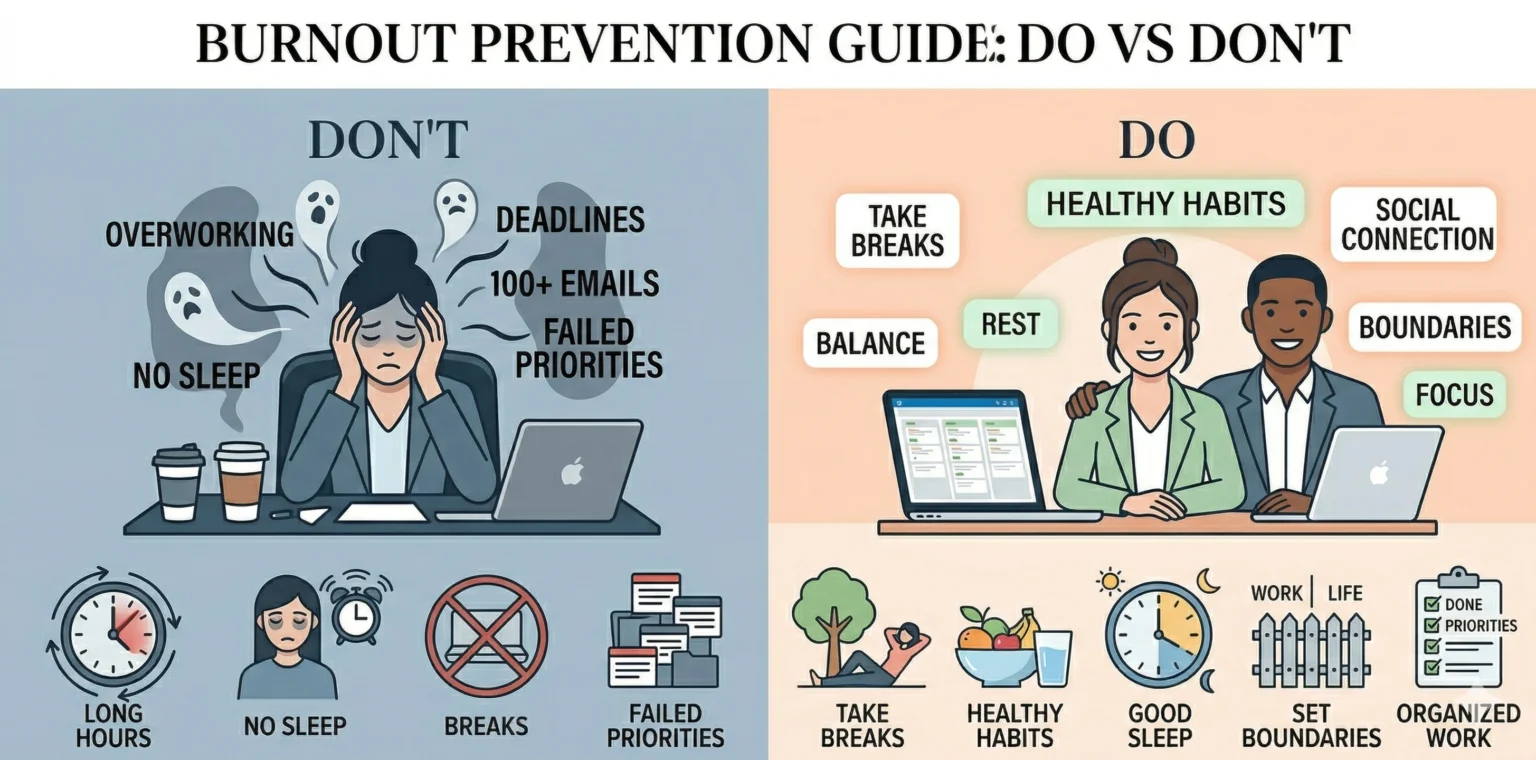
Understanding Mental Burnout
You’re exhausted — but you haven’t run a marathon. You’re irritable — but nothing specific went wrong. You’re dragging through the day on autopilot and wondering why everything feels so heavy. If this sounds familiar, you may be experiencing mental burnout. It’s more common than ever in 2026, and recognizing the warning signs early can change everything. For practical wellness tips to support your entire journey, GoHealthyPro has you covered.
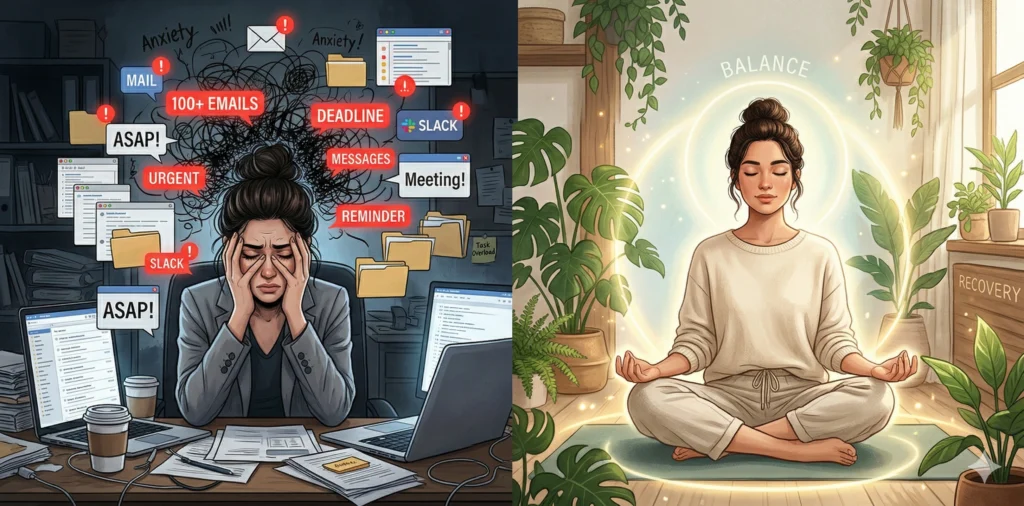
What is Mental Burnout?
Mental burnout is not just feeling tired at the end of a long week. The World Health Organization officially classifies it as an occupational phenomenon — a state of chronic stress that leads to physical and emotional exhaustion, cynicism, and a growing sense of ineffectiveness. Think of your mental reserves like a phone battery. Everyday stress drains it little by little. When you never fully recharge — no genuine rest, no recovery — you hit zero percent. And unlike your phone, you cannot just plug yourself in overnight and be ready by morning.
Burnout does not always look dramatic. It can creep in quietly over weeks or months. Understanding the difference between chronic stress vs. burnout is the first step toward actually doing something about it. Stress usually eases once the stressor is gone. Burnout lingers — even when things calm down, you still feel empty and detached.
|
🔬 Clinical Note The WHO formally added burnout to its International Classification of Diseases (ICD-11) in 2019. It describes it as a syndrome resulting from workplace stress that has not been successfully managed. |
Why You Should Not Ignore Burnout
Here is the honest truth: burnout does not fix itself. When you push through it without addressing the root causes, it typically gets worse. What starts as feeling overwhelmed and drained can evolve into full-scale emotional exhaustion, anxiety disorders, or even depression. The physical signs of burnout — persistent headaches, muscle tension, disrupted sleep — are your nervous system waving a red flag.
Ignoring these signals means you are training your body and mind to operate in a near-constant state of low-grade crisis. Over time, this wears down your immune system, your cardiovascular health, and your relationships. Research published in the American Journal of Preventive Medicine found that individuals experiencing high burnout have a significantly elevated risk of type 2 diabetes, coronary heart disease, and musculoskeletal pain.
Beyond the physical risks, untreated burnout quietly erodes the things that matter most: your passion for your work, your patience with the people you love, and your sense of purpose. Catching the warning signs early is not weakness — it is the smartest thing you can do for your long-term health and performance.
|
⚠️ Important Warning Burnout that goes unaddressed for 6+ months can begin to mimic the symptoms of clinical depression and anxiety. Early recognition and action are critical. |
8 Warning Signs of Mental Burnout
Use this quick-reference table to identify where you may be showing symptoms, then read the detailed breakdown below.
|
Warning Sign |
Category |
How It Shows Up |
|
1. Chronic Exhaustion |
Physical & Emotional |
Fatigue even after full sleep |
|
2. Cynicism & Detachment |
Emotional |
Feeling disconnected from work/life |
|
3. Reduced Performance |
Professional/Personal |
Mistakes, missed deadlines, low output |
|
4. Brain Fog |
Cognitive |
Poor focus, forgetfulness |
|
5. Increased Irritability |
Behavioral |
Short fuse with family & friends |
|
6. Sleep Disruption |
Physical |
Insomnia or restless nights |
|
7. Headaches & Tension |
Physical |
Neck, shoulder, or jaw tightness |
|
8. Loss of Interest |
Emotional/Behavioral |
No joy in hobbies or social events |
1. Chronic Physical and Emotional Exhaustion
This is the hallmark sign of burnout, and it goes far deeper than ordinary tiredness. You wake up after eight hours of sleep and still feel like you have not rested at all. Your body feels heavy. Simple tasks — answering emails, making decisions, cooking dinner — feel monumentally draining. This constant fatigue even after sleep is a clear signal that your nervous system is stuck in overdrive.
Emotional exhaustion shows up as feeling depleted of empathy, patience, and enthusiasm. You might find yourself going through the motions at work or at home, unable to summon the energy to care, even when you want to.
2. Feelings of Cynicism and Detachment
Cynicism is burnout’s emotional defense mechanism. When you are mentally exhausted, your brain starts distancing itself from stressors as a form of self-protection. You might begin to resent your job, feel indifferent toward goals you once cared deeply about, or emotionally detach from coworkers, friends, and family.
This detachment is not a personality flaw. It is a symptom — and one of the most telling emotional exhaustion signs that something needs to change. If you catch yourself thinking ‘What’s the point?’ more often than not, take notice.
3. Reduced Professional or Personal Performance
Burnout creates a cruel paradox: you are working hard but producing less. Loss of motivation at work leads to more mistakes, missed deadlines, and a growing inability to concentrate on even basic tasks. You might revisit work you have already done, second-guess yourself constantly, or simply stare at a blank screen, unable to begin.
This productivity decline extends beyond professional life. Home responsibilities pile up, creative hobbies feel impossible to start, and decision-making — even small decisions like what to eat — feels exhausting.
4. Difficulty Concentrating or ‘Brain Fog’
Brain fog and burnout are closely linked. When chronic stress floods your body with cortisol for extended periods, it directly impairs the prefrontal cortex — the part of your brain responsible for focus, planning, and rational thinking. The result is a foggy, sluggish mental state where concentration slips and memory falters.
You might read the same paragraph three times and still not absorb it. You might forget details you would normally remember with ease. This cognitive decline is not laziness — it is your exhausted brain trying to cope with a depleted fuel tank.
|
🧠 Brain Science Cortisol, the body’s primary stress hormone, becomes chronically elevated during burnout. Research shows this sustained cortisol spike can shrink the hippocampus — the brain’s memory and learning center. |
5. Increased Irritability with Friends and Family
Burnout irritability tends to spill into the areas of life you value most. You snap at your partner over small things. You lose patience with your children faster than usual. You withdraw from friends because socializing feels like another item on an already overwhelming to-do list.
This is because emotional resources are finite. When burnout drains your reserves at work or through chronic stress, there is simply less left for the people around you. Recognizing this pattern as a burnout symptom — rather than a character flaw — is the first step toward improving both your mental health and your relationships.
6. Changes in Sleep Patterns or Insomnia
The relationship between burnout and sleep is frustratingly circular. Burnout disrupts sleep, and poor sleep deepens burnout. You might lie awake for hours despite feeling physically exhausted, unable to quiet the mental chatter. Or you might sleep heavily but wake up feeling completely unrested — a hallmark sign of stress-disrupted sleep architecture.
Some people experience the opposite: oversleeping as an escape from the demands of waking life. Either extreme signals that your nervous system is struggling to regulate itself. Changes in sleep patterns are one of the most reliable physical signs of burnout to track over time.
7. Frequent Headaches or Muscle Tension
The mind-body connection is never more obvious than in burnout. Chronic mental stress manifests physically as tension headaches, tight shoulders, jaw clenching (often called bruxism), or lower back pain. Your body is literally bracing against the pressure — and over time, that constant physical tension becomes its own exhausting burden.
If you find yourself reaching for pain relief more often than you used to, or if you hold your jaw or shoulders tightly throughout the day, these are important physical signs of burnout that deserve attention — not just symptom management.
8. Loss of Interest in Previously Enjoyed Activities
One of the quieter but most telling warning signs of burnout is anhedonia — the loss of pleasure in things that used to bring you joy. Hobbies you loved feel like chores. Social plans feel like obligations. You might cancel plans with friends, skip workouts you once looked forward to, or stop engaging in creative pursuits entirely.
This is not simply ‘not feeling like it.’ It is a deeper emotional depletion that signals your mental and emotional reserves are running critically low. When the things that used to recharge you no longer do, burnout has taken hold.
Common Causes of Burnout in Busy Lifestyles
Understanding what fuels burnout is as important as recognizing its signs. Here are the most common culprits:
|
Root Cause |
How It Fuels Burnout |
|
No Work-Life Boundaries |
Always ‘on,’ no genuine off-time |
|
Social Media Pressure |
Comparison culture, doomscrolling |
|
Poor Nutrition / Dehydration |
Low energy, brain fog, mood crashes |
|
Neglecting Movement |
No physical outlet for stress hormones |
Lack of Work-Life Boundaries
The always-connected culture of modern work — where emails arrive at 10 p.m. and Slack messages never stop — makes it nearly impossible to mentally clock out. Without clear boundaries, the brain never gets a true signal that it is safe to rest and recover.
High-Pressure Social Media Expectations
Constant exposure to curated highlight reels of other people’s lives creates a low-grade, chronic sense of inadequacy. Digital detox for mental health is not just trendy advice — it is increasingly necessary in 2026. Doomscrolling and social comparison silently drain emotional resources every single day.
Poor Nutrition and Dehydration
The brain is the hungriest organ in the body. When it is underfed or chronically dehydrated, cognitive performance drops, mood becomes unstable, and stress tolerance plummets. Poor nutrition and adrenal fatigue are closely linked — your adrenal glands require steady micronutrient support to regulate the stress response effectively.
Neglecting Physical Movement
Exercise is one of the most powerful natural antidotes to stress. Without regular physical movement, cortisol and adrenaline build up in the body with no release valve. Over time, this physical tension compounds the mental weight of burnout and makes recovery significantly harder.
How to Recover from Mental Burnout
Recovery from burnout is not about doing more — it’s about doing less, better. Here is a practical roadmap:
Implementing ‘Micro-Breaks’ Throughout the Day
Micro-breaks for stress management are short, intentional pauses of 3–10 minutes taken throughout the workday. Research from Baylor University found that workers who took regular micro-breaks reported higher energy levels, better focus, and less end-of-day fatigue. Step away from your screen. Breathe slowly. Stretch. Do nothing productive for five minutes. These small windows of recovery compound over time into meaningful stress relief.
Setting Strict Digital Detox Hours
Designate at least two hours each evening — and all of Sunday morning, if possible — as completely screen-free time. No emails, no social media, no news. This digital detox for mental health allows your nervous system to downshift from the low-level alertness that screens constantly provoke. Use this time to read a physical book, take a slow walk, or simply sit in silence.
Prioritizing Sleep Hygiene Practices
- Keep a consistent sleep and wake time — even on weekends.
- Keep your bedroom cool, dark, and free of screens for at least 60 minutes before bed.
- Try a 10-minute body scan meditation before sleep to release physical tension held in your muscles.
- Avoid caffeine after 2 p.m. to protect natural melatonin production.
Simplifying Your Nutrition and Meal Prep
When you are mentally drained, the last thing you need is decision fatigue around food. Simplify your nutrition and meal prep by keeping a short rotation of easy, nutrient-dense meals. Focus on anti-inflammatory foods — leafy greens, fatty fish, berries, and whole grains — that directly support brain health and reduce the physiological effects of chronic stress. Pre-portioning snacks and batch-cooking grains on weekends eliminates daily food decisions when your mental bandwidth is lowest.
Seeking Professional Support or Counseling
There is no recovery strategy more effective than talking to someone trained to help. A licensed therapist or counselor can help you identify the root patterns driving your burnout, develop personalized coping strategies, and give you a structured space to process the emotional weight you have been carrying. Seeking support is a sign of self-awareness, not failure. If symptoms persist for more than four to six weeks despite lifestyle changes, please consult a healthcare professional.
|
🩺 Therapy That Works Cognitive Behavioral Therapy (CBT) and Acceptance and Commitment Therapy (ACT) are two evidence-based therapeutic approaches shown to be highly effective in treating burnout and chronic stress. |
Simple Prevention Tips for Daily Routines
The Power of Saying ‘No’
Every ‘yes’ to something non-essential is a quiet ‘no’ to your own energy and well-being. Practicing conscious, boundaried refusal is one of the most powerful self-care for burnout prevention tools available. You do not need to justify every ‘no.’ You simply need to recognize that protecting your capacity is not selfish — it is necessary.
Practicing 5-Minute Daily Mindfulness
You do not need a meditation app or a cushion on the floor. Simply sit quietly for five minutes each morning before checking your phone. Focus on your breath. Notice what is tight or heavy in your body. This single habit, practiced daily, has been shown to measurably lower cortisol levels and improve emotional regulation over time — building the mental resilience that prevents burnout from gaining a foothold.
Scheduling Non-Negotiable Self-Care
Self-care is not a reward for finishing your to-do list — it needs to be built into the list itself. Block out time in your calendar for rest, exercise, and enjoyable activities exactly as you would a work meeting. When self-care is treated as optional, it is always the first thing cut under pressure. When it is scheduled, it becomes a protected commitment to yourself.
Incorporating Gentle Movement Like Walking
A 20-minute walk outside does more for stress relief than most people realize. Walking in natural light regulates cortisol, boosts mood-enhancing serotonin, and provides gentle physical movement that releases accumulated tension. If you are ready to reintroduce more structured activity, a beginner home workout plan is an excellent low-pressure starting point that does not require a gym or extra commute time.