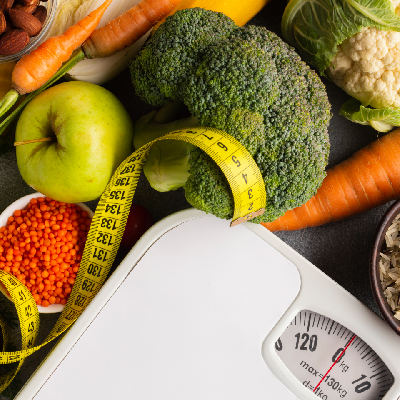



Pregnancy care tips can help you build healthy daily habits that support your wellbeing throughout pregnancy. Pregnancy is an important time when your body goes through many physical and emotional changes. Good nutrition, regular prenatal care, adequate hydration, suitable physical activity, quality sleep, and emotional support can all contribute to a healthier pregnancy experience. However, every pregnancy is different, so general information should not replace advice from a qualified healthcare professional.
This guide from GoHealthyPro shares practical pregnancy care tips that can help you understand some healthy habits to consider during pregnancy. The focus is on simple, everyday steps rather than complicated routines.
Why Pregnancy Care Tips Matter During Pregnancy?
Pregnancy increases the body’s nutritional and physical demands. Building healthy habits can help support overall wellbeing while your body adapts to these changes.
The World Health Organization recommends antenatal care that includes healthy eating, physical activity, maternal and fetal assessment, preventive care, and appropriate support during pregnancy. You can read the WHO recommendations on antenatal care for detailed guidance.
Good pregnancy care tips do not need to involve major lifestyle changes. Small and consistent habits can make it easier to manage everyday pregnancy care.
Here are nine practical pregnancy care tips to keep in mind.

1. Pregnancy Care Tips for a Balanced Diet
One of the most important pregnancy care tips is to focus on a varied and balanced diet.
During pregnancy, your body needs a range of nutrients to support your health and the developing baby. Instead of depending on a single food or following restrictive diet trends, aim for variety across your meals.
A balanced diet can include:
- Green and orange vegetables
- Fresh fruits
- Whole grains
- Beans and pulses
- Nuts and seeds
- Pasteurised dairy products
- Eggs
- Lean meat and poultry
- Suitable fish
- Other protein-rich foods
The WHO states that a healthy pregnancy diet should provide adequate energy, protein, vitamins, and minerals from a variety of foods.
Choose Nutrient-Rich Meals
Try to make your regular meals colourful and varied. A simple Indian meal, for example, could include dal, vegetables, roti or brown rice, curd, and fruit.
You do not need to follow complicated food trends during pregnancy. Focus on nutritious foods that fit your needs, preferences, and cultural eating habits.
Eating regular meals can also help you maintain a consistent daily routine. If certain foods become difficult to tolerate because of pregnancy-related changes, discuss suitable alternatives with your healthcare professional.
Take Supplements Only as Advised
Some pregnant women may be advised to take supplements such as folic acid, iron, vitamin D, or other nutrients. The appropriate supplement and amount can vary depending on individual needs.
Do not start, stop, or change supplements without discussing them with your healthcare professional.
2. Pregnancy Care Tips for Staying Hydrated
Drinking enough fluids is another useful part of pregnancy care tips.
Your body’s fluid needs can change during pregnancy. Staying hydrated is especially important during warm weather or physical activity.
Keep water available throughout the day instead of waiting until you feel very thirsty.
You can also get fluids from foods and beverages such as:
- Fruits
- Vegetables
- Soups
- Milk
- Other suitable beverages
Water is generally a simple everyday choice. If you experience persistent vomiting, difficulty keeping fluids down, or other concerning symptoms, contact a qualified healthcare professional.
Make Hydration a Daily Habit
Try keeping a water bottle with you at home, work, or while travelling. Simple reminders can also help if you often forget to drink water.
During physical activity, remember to replace fluids regularly. Your healthcare professional can provide personalised advice if you have specific hydration needs.
3. Pregnancy Care Tips for Safe Physical Activity
Pregnancy does not necessarily mean stopping all physical activity. For many people, suitable exercise can remain part of a healthy pregnancy lifestyle.
Walking, swimming, pregnancy-friendly yoga, and other comfortable activities may be appropriate depending on individual circumstances.
The WHO recommends counselling about healthy eating and staying physically active during pregnancy. It also advises choosing activities with minimal risk of loss of balance and fetal trauma.
Choose Comfortable Activities
Depending on your circumstances, suitable activities may include:
- Walking
- Swimming
- Gentle pregnancy yoga
- Low-impact activities
- Pelvic floor exercises
- Everyday movement
If you were not physically active before pregnancy, avoid suddenly starting strenuous workouts.
You should also avoid activities that involve a significant risk of falling, abdominal impact, or other pregnancy-specific risks.
Listen to Your Body
Exercise should feel manageable rather than exhausting. If an activity causes discomfort or you feel unwell, stop and seek professional advice.
The appropriate level of activity can vary from person to person, particularly when pregnancy complications or other health considerations are involved.
4. Pregnancy Care Tips for Regular Prenatal Check-Ups
Regular prenatal or antenatal care is one of the most important pregnancy care tips.
Prenatal appointments provide opportunities for healthcare professionals to monitor the pregnancy, offer relevant guidance, and identify concerns that may require attention.
Antenatal care can include different assessments and discussions depending on the stage of pregnancy and individual circumstances. The WHO identifies antenatal care as an important part of maternity care.
Depending on your circumstances and local healthcare system, appointments may include:
- Monitoring maternal health
- Checking fetal growth and development
- Recommended blood tests
- Ultrasound assessments when appropriate
- Vaccination advice
- Nutrition guidance
- Supplement advice
- Discussion of pregnancy symptoms
- Questions about physical and emotional wellbeing
Keep Your Appointments Organised
Keep a record of appointments, reports, medicines or supplements, and questions you want to discuss.
Do not skip a recommended appointment simply because you feel well. Prenatal care also provides an opportunity for prevention, monitoring, education, and ongoing support.
If you are unsure about when your next appointment should be, contact your maternity care provider.
5. Pregnancy Care Tips for Quality Sleep and Rest
Pregnancy can make sleep more difficult as your body changes. Tiredness can also vary during different stages of pregnancy.
Making rest part of your daily routine is therefore another practical pregnancy care tip.
Try to:
- Maintain a regular bedtime
- Keep your sleeping environment comfortable
- Limit stimulating activities before bed
- Avoid excessive caffeine, especially later in the day
- Take time to relax before sleeping
- Use comfortable pillows for support
Good sleep habits can make your daily routine easier to manage.
Do Not Ignore Ongoing Sleep Problems
Occasional poor sleep can happen during pregnancy, but persistent sleep difficulties may affect your daily activities.
If sleep problems are becoming difficult to manage, discuss them with your doctor, midwife, or another qualified healthcare professional.
6. Pregnancy Care Tips for Emotional Wellbeing
Pregnancy involves more than physical changes. Mood, stress, worries, and emotions can also change during this period.
Taking care of your emotional wellbeing should therefore be included in your pregnancy care tips routine.
Simple activities may include:
- Talking with your partner or trusted family members
- Spending time with supportive friends
- Practising relaxation or breathing exercises
- Going for a comfortable walk
- Enjoying a hobby
- Attending suitable antenatal classes
- Taking regular breaks from stressful activities
Having supportive people around you can make it easier to talk about worries and everyday challenges.
Ask for Support When Needed
Feeling worried from time to time can happen during pregnancy. However, if anxiety, low mood, or emotional distress is affecting everyday life, speak with a qualified healthcare professional.
You do not have to manage ongoing emotional difficulties alone. Professional support can be available during pregnancy and after birth.
7. Pregnancy Care Tips for Food Safety
Food safety becomes especially important during pregnancy.
Choose foods that are fresh, clean, properly stored, and prepared safely. Follow advice from your healthcare professional about foods that should be avoided or limited during pregnancy.
Basic food-safety habits include:
- Washing fruits and vegetables properly
- Washing hands before preparing food
- Keeping raw and cooked foods separate
- Cooking meat, eggs, and other foods appropriately
- Storing perishable foods safely
- Checking food labels and storage instructions
- Choosing pasteurised dairy products
- Following professional advice about foods that should be avoided
The WHO recommends healthy eating during pregnancy and emphasises the importance of a varied diet.
Practise Good Kitchen Hygiene
Clean food preparation areas and proper storage can help you maintain safer eating habits.
Be especially careful with foods that need refrigeration and avoid consuming food that has been stored incorrectly or has passed its recommended use period.
If you are unsure whether a particular food is suitable during pregnancy, ask your healthcare professional.
8. Pregnancy Care Tips for Avoiding Harmful Substances
Another important part of pregnancy care is avoiding substances that may pose risks during pregnancy.
If you smoke, use tobacco products, drink alcohol, or use recreational substances, discuss this openly with your healthcare professional. They can provide appropriate support and guidance.
You should also be careful with medicines, herbal products, and supplements.
Natural does not automatically mean suitable during pregnancy. Before taking a new medicine, supplement, or herbal product, ask a qualified healthcare professional whether it is appropriate for you.
Avoid making decisions about medicines or supplements based only on information found online or on social media.
9. Pregnancy Care Tips for a Healthy Daily Routine
The final point in these pregnancy care tips is to create a routine that you can realistically maintain.
You do not need to make every day perfect. Pregnancy can be unpredictable, and energy levels can change.
Instead, focus on simple basics that fit your daily life.
Morning
- Drink water
- Have a nutritious breakfast
- Take prescribed supplements as advised
- Follow your usual personal care routine
During the Day
- Eat balanced meals
- Stay hydrated
- Include comfortable physical activity
- Take breaks when needed
- Attend scheduled prenatal appointments
Evening
- Have a balanced dinner
- Reduce unnecessary screen time before bed
- Practise relaxation
- Prepare for a comfortable night’s sleep
A simple routine can make healthy habits easier to remember and maintain.
Pregnancy Care Tips: Nutrition and Fitness Key Points
Pregnancy care is not about following a perfect routine. It is about making sensible choices consistently and getting appropriate professional support.
Your pregnancy care tips checklist can include:
- Eat a varied and balanced diet.
- Drink enough fluids throughout the day.
- Stay physically active when it is appropriate for your pregnancy.
- Attend recommended prenatal appointments.
- Get enough rest and prioritise sleep.
- Look after your emotional wellbeing.
- Follow safe food preparation and storage practices.
- Avoid tobacco, alcohol, and unnecessary substances.
- Ask a healthcare professional before using medicines or supplements.
These habits fit naturally within broader healthy living and wellness routines, but pregnancy requires an individual approach. What is suitable for one person may not be suitable for another.
Pregnancy Care Tips: Common Habits to Avoid
Along with healthy habits, it helps to recognise practices that may not be appropriate during pregnancy.
Avoid making major changes based only on social media trends or unverified online advice.
Be cautious about:
- Crash diets
- Unsupervised fasting
- Very strenuous workouts
- Unverified supplements
- Herbal remedies without professional advice
- Smoking and tobacco
- Alcohol
- Recreational substances
- Ignoring persistent or concerning symptoms
- Skipping recommended prenatal appointments
If you have questions about a particular food, exercise, supplement, medicine, or symptom, speak with your maternity care provider.
Pregnancy Care Tips: How Family Members Can Help
Pregnancy care does not have to be managed alone. Partners and family members can help create a supportive environment.
They can help by:
- Preparing nutritious meals
- Encouraging healthy hydration
- Joining suitable walks
- Helping with household tasks
- Supporting adequate rest
- Accompanying the mother to appointments when appropriate
- Listening without judgement
- Encouraging professional support when needed
Emotional and practical support can make healthy habits easier to maintain.
Frequently Asked Questions About Pregnancy Care Tips
What are the most important pregnancy health tips?
Some important pregnancy health tips include eating a balanced diet, staying hydrated, getting suitable physical activity, attending prenatal check-ups, getting enough rest, caring for emotional wellbeing, and following food-safety practices.
Can I exercise during pregnancy?
Many pregnant women can remain physically active, but the suitable type and intensity of exercise can vary. Walking, swimming, and other comfortable activities may be appropriate for some people. Always follow advice from your healthcare professional, especially if you have pregnancy-related concerns.
What should I eat during pregnancy?
A varied diet can include vegetables, fruits, whole grains, beans, nuts, dairy products, eggs, and suitable protein sources such as meat, poultry, and fish. WHO recommends a diverse diet providing adequate energy, protein, vitamins, and minerals.
How important are prenatal check-ups?
Prenatal check-ups are an important part of pregnancy care. They allow qualified healthcare professionals to monitor maternal and fetal wellbeing and provide relevant guidance throughout pregnancy. WHO recommends regular antenatal care contacts during pregnancy.
How can I improve sleep during pregnancy?
Try keeping a consistent bedtime, creating a comfortable sleep environment, allowing time to relax, and avoiding caffeine later in the day. If ongoing sleep problems are affecting your daily life, discuss them with your healthcare professional.
How can I support my mental wellbeing during pregnancy?
Talking with trusted people, staying appropriately active, making time for enjoyable activities, and using relaxation techniques can help support emotional wellbeing. If anxiety or low mood is affecting daily life, seek professional support.
Final Thoughts
Pregnancy is a time to focus on overall wellbeing rather than perfection. Balanced nutrition, hydration, safe movement, quality rest, prenatal care, emotional support, and good daily habits can all play an important role in pregnancy wellbeing.
Use these pregnancy health tips as general educational information and adapt your routine according to guidance from your qualified healthcare professional. Every pregnancy is different, and personalised advice is especially important when you have specific concerns or health needs.
For more general information about nutrition, fitness, and everyday wellness, explore GoHealthyPro and its Fitness and Wellness Tips content.
Disclaimer
This article is for general health and wellness information only. It is not a substitute for medical advice, diagnosis, or treatment. Pregnancy needs can vary from person to person. Always consult a qualified doctor, midwife, obstetrician, or other appropriate healthcare professional for personalised pregnancy advice, especially before changing your diet, exercise routine, medicines, or supplements.