

The Power of Nutrient-Dense Eating
Imagine fueling your car with the highest-quality petrol every single day. That engine purrs. It runs cleaner, lasts longer, and rarely breaks down. Your body works the same way. What you eat is the fuel that powers every thought, every step, and every immune response you make.
Yet most of us are running on the food equivalent of watered-down fuel — processed snacks, sugar-loaded drinks, and meals that barely tick a single nutritional box. The result? Afternoon energy crashes, sluggish digestion, brain fog, and a body that feels older than it should.
That’s where nutrient-dense foods — popularly called superfoods — come in. These are whole, natural foods packed with vitamins, minerals, antioxidants, and fiber that your body genuinely craves. This guide is your no-nonsense superfoods list for 2026: what to eat, why it works, and how to fit it into a busy, real-world life.
What Is a Superfood?
Let’s be honest — “superfood” is a marketing word, not a scientific one. No regulatory body officially defines it. But that doesn’t mean the concept is empty. Nutritionists and dietitians widely agree on what makes a food earn the label: it delivers an unusually high amount of nutrition relative to its calorie count.
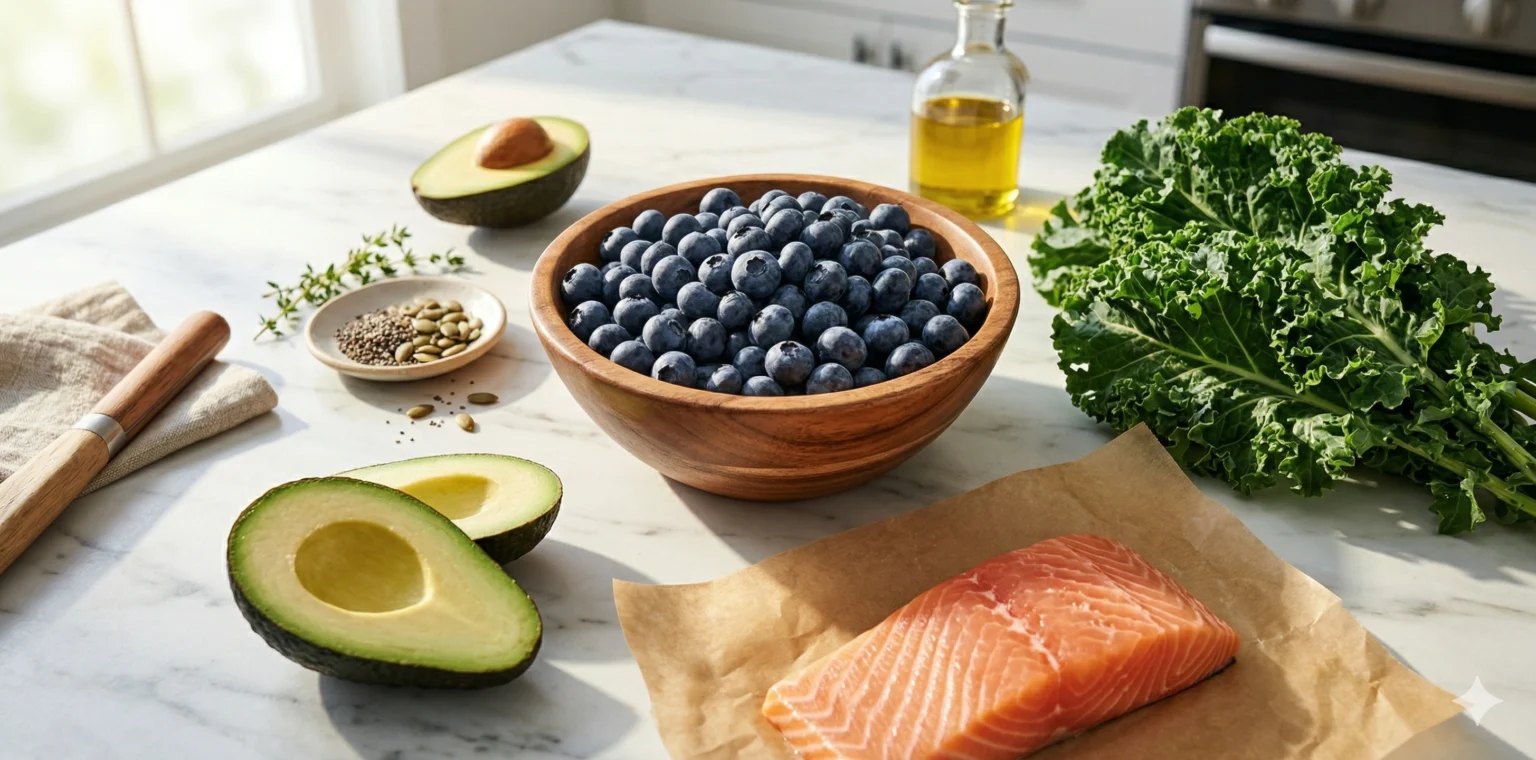
Think of superfoods as functional foods — foods that don’t just feed you but actively support your body’s systems. A blueberry, for example, isn’t just a snack; it’s a tiny package of antioxidants shown to fight cell damage. Salmon isn’t just protein; it’s loaded with omega-3 fatty acids that support heart and brain health.
| Quick Definition |
| A superfood is a whole, minimally processed food that is exceptionally rich in nutrients — antioxidants, fiber, healthy fats, vitamins, or minerals — and linked to measurable health benefits. |
| Key traits: Low glycemic index, anti-inflammatory properties, high fiber or protein, rich in micronutrients. |
Importantly, no single superfood is a magic cure. It’s the cumulative effect of a plant-forward, whole-food diet that drives results. With that in mind, let’s look at the real benefits.
Benefits of Including Superfoods in Your Diet
Adding more nutrient-dense foods to your plate isn’t about following a fad. The science is real, the benefits are tangible, and you’ll likely start noticing them within a few weeks. Here’s what you can expect:
| Benefit | What’s Happening in Your Body |
| More Natural Energy | B vitamins, iron, and complex carbs from whole grains stabilize blood sugar and prevent energy crashes. |
| Stronger Immune System | Vitamin C, zinc, and antioxidants (from berries, leafy greens) reduce oxidative stress and prime your defenses. |
| Better Gut Health | Fermented foods and fiber feed good bacteria, improving digestion and reducing bloating. |
| Reduced Inflammation | Omega-3s, turmeric, and polyphenols lower chronic inflammation — a root cause of most modern diseases. |
| Healthier Skin & Hair | Collagen-supporting vitamin C, zinc, and essential fats improve skin elasticity and hair strength. |
| Sharper Mental Focus | Brain-boosting superfoods like fatty fish, blueberries, and walnuts support cognitive function and memory. |
| Weight Management | High-fiber, low-glycemic-index foods keep you full longer, reducing unnecessary snacking. |
One more benefit worth calling out: an anti-inflammatory diet built around these foods has been linked in multiple studies to reduced risk of heart disease, type 2 diabetes, and even certain cancers. This isn’t just about looking good — it’s about living well, longer.
Top 10 Essential Superfoods for Beginners
You don’t need to overhaul your entire pantry overnight. Start with these ten categories, and you’ll cover your nutritional bases beautifully.
Dark Leafy Greens: Spinach & Kale
If there’s one food group that universally earns the superfood title, it’s dark leafy greens. Spinach and kale are loaded with iron, calcium, magnesium, vitamins K and C, and folate — all in a low-calorie package. They’re also rich in lutein and zeaxanthin, antioxidants that protect your eyes.
- Add a handful of spinach to your morning smoothie (you won’t taste it).
- Massage kale with olive oil and lemon for a 5-minute salad base.
- Sauté either green with garlic as a simple side for any meal.
Berries: Blueberries, Raspberries & Goji
Berries are nature’s candy — sweet, satisfying, and absolutely packed with antioxidants. Blueberries in particular are among the highest antioxidant-rich foods on the planet. They fight oxidative stress, are among the best brain-boosting superfoods, and rank low on the glycemic index, making them ideal for blood sugar management.
Goji berries have surged in popularity and carry impressive vitamin A and C content. Raspberries lead the berry world in fiber, making them perfect for anyone focused on fiber-maxxing — the 2026 wellness trend of maximizing dietary fiber intake.
Healthy Fats: Avocados & Extra Virgin Olive Oil
Fat is not the enemy — the wrong fat is. Avocados deliver heart-healthy monounsaturated fats, potassium, and folate. Extra virgin olive oil (EVOO) is the cornerstone of the Mediterranean diet and one of the most well-studied anti-inflammatory foods on earth. Its polyphenol content rivals that of many fruits.
- Use EVOO as a finishing oil over salads and roasted vegetables.
- Mash avocado on whole-grain toast for a balanced, satisfying breakfast.
- Replace butter with avocado in baking for a creamy, nutritious swap.
Fatty Fish: Salmon & Sardines
If you eat animal products, fatty fish are non-negotiable superfoods. Salmon and sardines are two of the richest sources of omega-3 fatty acids (EPA and DHA), which support heart health, reduce inflammation, and are critical for brain function. Sardines also offer an impressive calcium hit since you eat the bones.
Aim for two to three servings of fatty fish per week. Canned options count fully — they’re affordable, convenient, and nutritionally near-identical to fresh.
Seeds: Chia, Flax & Hemp
Small but mighty, seeds deserve a permanent place in your pantry. Chia seeds swell into a gel when soaked, forming an incredibly satisfying breakfast base (chia pudding, anyone?). Flaxseeds are the plant kingdom’s top source of lignans — compounds with strong anti-cancer and hormone-balancing properties. Hemp seeds are a rare complete plant protein with all nine essential amino acids, making them one of the best high-protein plant foods around.
| Chia Seed Breakfast Idea |
| Mix 3 tbsp chia seeds + 1 cup oat milk + 1 tsp honey. |
| Refrigerate overnight. Top with frozen blueberries and hemp seeds. |
| Ready in 5 minutes of prep. High in fiber, omega-3s, and plant protein. |
Ancient Grains: Quinoa & Oats
Quinoa is technically a seed, but it acts like a grain. It’s one of the few plant foods that qualifies as a complete protein, and it’s gluten-free. Oats are rich in beta-glucan fiber, which is clinically shown to lower LDL cholesterol and feed healthy gut bacteria. Both are low-glycemic-index foods that provide sustained energy — no mid-morning crash required.
Probiotic Foods: Greek Yogurt & Kimchi
Your gut is home to trillions of bacteria that influence everything from immunity to mood. Feeding them well is essential. Greek yogurt (plain, unsweetened) delivers live cultures alongside high protein. Kimchi — fermented vegetables — is a powerhouse of probiotics and a cornerstone of the best foods for gut health. For a deeper dive into why this matters, check out our gut health guide.
Cruciferous Veggies: Broccoli & Brussels Sprouts
Cruciferous vegetables contain sulforaphane — a compound with powerful anti-cancer and detoxification properties. Broccoli and Brussels sprouts are also rich in vitamin C, vitamin K, and folate. Roast them at high heat with a drizzle of olive oil and they become genuinely delicious — not just good for you.
Legumes: Lentils & Black Beans
Legumes are the unsung heroes of the superfoods list. Lentils and black beans deliver massive amounts of plant-based protein and fiber — two nutrients that support satiety, blood sugar stability, and heart health simultaneously. They’re cheap, versatile, and shelf-stable. If you’re not eating legumes regularly, you’re leaving serious nutrition on the table.
Roots & Spices: Turmeric & Ginger
Turmeric contains curcumin, one of the most researched anti-inflammatory compounds in nature. Ginger has well-documented benefits for nausea, digestion, and inflammation. Together, they’re a dynamic duo for anyone looking to reduce inflammation naturally. Add black pepper with turmeric — it boosts curcumin absorption by up to 2,000%.
How to Eat Superfoods on a Busy Schedule
“I don’t have time” is the most common reason people give for not eating well. Fair enough — life is genuinely hectic. But eating nutrient-dense foods doesn’t require hours in the kitchen. Here’s how to make it work.
Master the 5-Minute Morning Smoothie
A well-built morning smoothie can pack in 4–5 superfoods before 8 a.m. Blend frozen spinach or kale, frozen blueberries, a tablespoon of flaxseed, a scoop of Greek yogurt, and oat milk. Done. That’s greens, berries, seeds, probiotics, and healthy fats in under five minutes.
Utilize Frozen and Canned Options
Fresh isn’t always best — or practical. Frozen fruits and vegetables are harvested at peak ripeness and flash-frozen, which locks in nutrients effectively. Canned lentils, black beans, and sardines are equally nutritious and dramatically cut prep time. Keep your freezer and pantry stocked.
Smart Meal Prepping with Grains and Proteins
Spend 45 minutes on Sunday batch-cooking quinoa, roasting a sheet pan of broccoli and Brussels sprouts, and boiling a pot of lentils. These building blocks make weekday meal prepping effortless. Mix and match through the week with different sauces and proteins.
Easy ‘Sprinkle’ Habits for Salads and Snacks
Not every upgrade needs to be a full meal overhaul. Try these micro-habits:
- Sprinkle hemp seeds on yogurt, oatmeal, or salads for a protein boost.
- Add a pinch of turmeric and black pepper to soups, scrambled eggs, or rice.
- Toss a handful of frozen berries into store-bought oatmeal.
- Drop chia seeds into water or juice and sip for 30 minutes — instant nutrition upgrade.
Budget-Friendly Superfood Alternatives
Superfoods don’t have to mean expensive. The wellness industry loves to sell premium versions of things you can get for a fraction of the price. Here are smart swaps:
| Expensive Option | Budget-Friendly Alternative |
| Acai powder / bowls | Frozen blueberries — equal antioxidant punch at 1/5 the cost. |
| Fresh kale (year-round) | Seasonal spinach — same nutrients, often cheaper and more tender. |
| Quinoa | Brown rice or barley — similar fiber, lower price, widely available. |
| Lion’s mane mushroom powder | Regular button mushrooms — still rich in B vitamins and fiber. |
| Sea moss gel | Chia seeds — deliver similar gel-forming properties and minerals. |
| Branded superfood powders | Whole turmeric + ginger root — far more potent and far cheaper. |
The bottom line: affordable superfood alternatives are everywhere. Seasonal produce, frozen fruits and vegetables, dried legumes, and whole spices deliver exceptional nutrition without premium price tags. Shop the sales and rotate with the seasons.
Common Superfood Myths and Realities
| Myth | Reality |
| You must eat superfoods daily to see benefits. | Consistency over time matters more than perfection every day. A few quality swaps each week add up significantly. |
| Superfood powders are more potent than whole foods. | Whole foods contain co-factors that help absorption — isolated powders often miss these entirely. |
| You need to detox with superfoods. | Your liver and kidneys detox constantly. Superfoods support these organs; they don’t replace their function. |
| All superfoods are expensive and exotic. | Oats, lentils, spinach, and sardines are all superfoods. None of them break the bank. |
| Eating more superfoods cancels out a poor diet. | No single food can undo a pattern of poor eating. Superfoods work as part of an overall healthy pattern. |
| Fresh is always better than frozen. | Flash-frozen produce retains comparable — sometimes superior — nutrient content versus fresh that’s been in transit for days. |
How to Build a Superfood Shopping List
A smart healthy grocery shopping strategy makes all the difference between intentions and habits.
Focus on the Perimeter of the Grocery Store
The outer ring of most grocery stores is where you’ll find produce, dairy, and fresh proteins. The interior aisles are dominated by processed and packaged goods. Train yourself to spend most of your shopping time on the perimeter.
Identify Seasonal Produce
Seasonal produce is fresher, cheaper, and more nutrient-dense than out-of-season imports. In spring, load up on spinach and asparagus. Summer brings berries and tomatoes. Autumn is perfect for squash and cruciferous vegetables. Winter is root vegetable season.
Read Labels to Avoid “Superfood” Junk Food
A granola bar labeled “with chia seeds and goji berries” is still a granola bar — likely loaded with sugar and refined flour. Real superfoods don’t need a marketing paragraph. If the ingredient list is long and complicated, put it back.
| Your Weekly Superfood Shopping List |
| PRODUCE: Spinach or kale, broccoli, avocado, fresh ginger, garlic |
| FROZEN: Blueberries or mixed berries, edamame, peas |
| PROTEIN: Salmon fillets or canned sardines, Greek yogurt (plain) |
| GRAINS & LEGUMES: Oats, quinoa or brown rice, lentils, black beans |
| SEEDS & SPICES: Chia seeds, flaxseed, turmeric, black pepper |
| OILS: Extra virgin olive oil |
| FERMENTED: Kimchi or plain kefir |
Frequently Asked Questions
Are superfoods actually scientifically proven?
Yes and no. The term “superfood” isn’t a scientific classification, but the nutritional benefits of individual foods on the list are well-studied. Blueberries’ antioxidant properties, salmon’s omega-3 benefits, turmeric’s anti-inflammatory effects — these are backed by decades of peer-reviewed research. The science supports the foods; it just doesn’t endorse the marketing label.
Can I eat too many superfoods?
In theory, yes. Spinach is high in oxalates; excessive amounts can contribute to kidney stones in predisposed individuals. Too much turmeric can irritate the stomach. Fatty fish, eaten in excess, may raise mercury exposure. The key principle: variety and moderation. Rotate your choices and don’t eat any single food in extreme quantities.
Do I need expensive powders to get the benefits?
Absolutely not. Whole superfoods — fresh, frozen, or canned — deliver the full nutritional package. Powders can be convenient, but they often cost 10x more and lack the fiber and co-factors found in whole foods. Save your money, buy whole foods, and spend it on quality extra virgin olive oil instead.
Are frozen superfoods as healthy as fresh ones?
Often, yes — and sometimes more so. Frozen fruits and vegetables are typically processed within hours of harvest, which preserves vitamins and minerals extremely well. Fresh produce that has traveled for several days and sat on a store shelf can lose significant nutritional value before it reaches your plate. Don’t hesitate to fill your freezer.
s leo.
What is the single best superfood for energy?
If forced to choose one: oats. They provide complex carbohydrates for sustained energy, beta-glucan for gut health, B vitamins for energy metabolism, and iron to prevent fatigue. They’re cheap, versatile, quick to prepare, and universally available. Oats are the quiet workhorse of the superfood world.
How soon will I feel the benefits of a superfood diet?
Most people notice improvements in energy, digestion, and mental clarity within 2–4 weeks of consistent change. Deeper benefits — reduced inflammation markers, improved cholesterol, better skin — typically show up within 2–3 months. This isn’t a two-week challenge; it’s a lifestyle shift. The good news: once you feel the difference, you won’t want to go back.