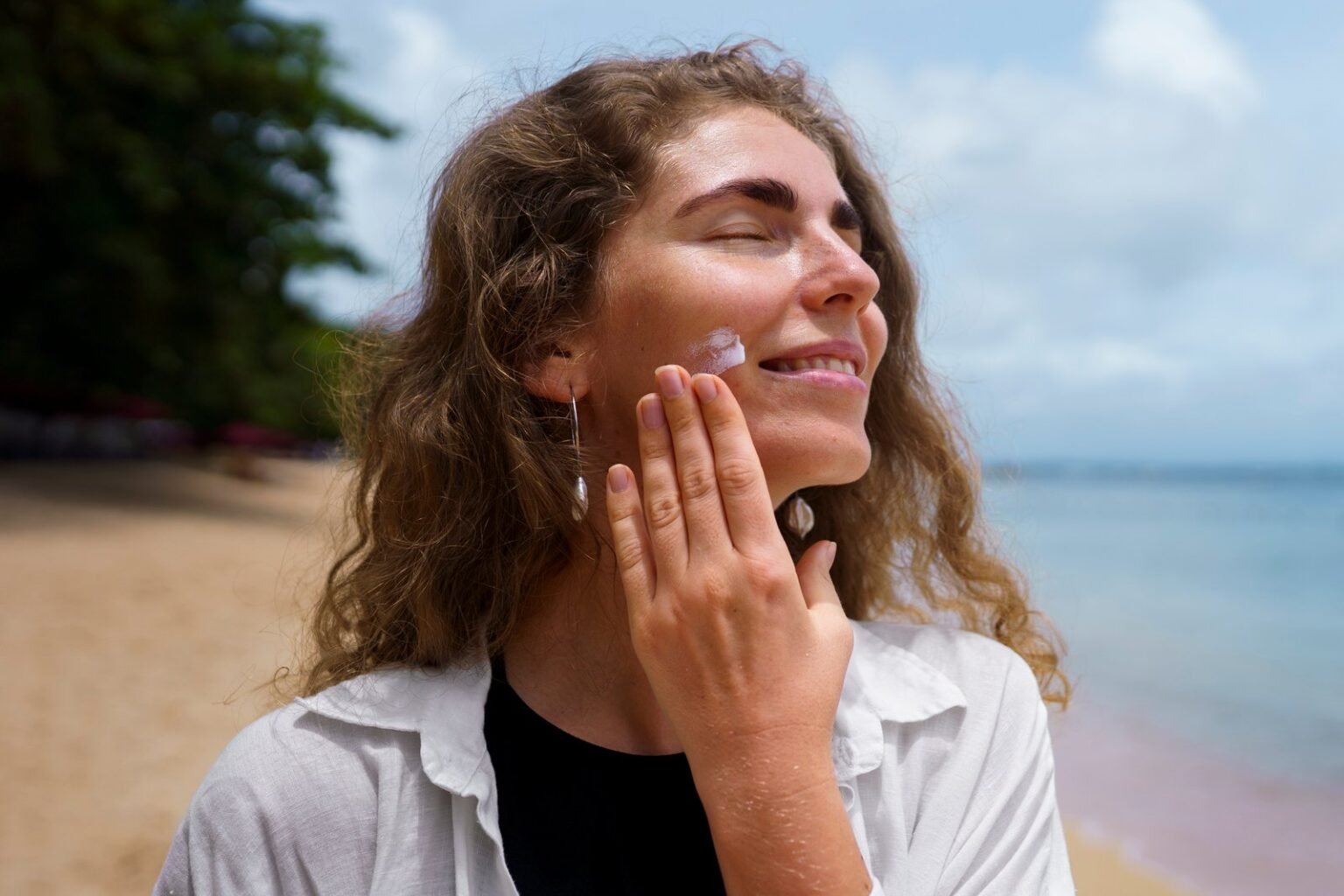
Sensitive skin often needs extra care, especially when choosing products for daily sun protection. Sunscreen is an important part of healthy skin tips because regular exposure to ultraviolet (UV) rays can contribute to sunburn, premature skin ageing and skin damage. However, some people may find certain sunscreen products irritating or uncomfortable.
Mineral sunscreens, also called physical sunscreens, are often recommended for people with sensitive skin. They commonly contain zinc oxide, titanium dioxide or both as active ingredients. These ingredients can provide broad-spectrum protection while being less likely to irritate sensitive skin.
What Is Mineral Sunscreen?
Mineral sunscreen is a type of sunscreen that uses mineral ingredients such as zinc oxide and titanium dioxide. These ingredients create a protective layer on the skin and help protect it from UV radiation.
According to the American Academy of Dermatology, dermatologists recommend mineral sunscreens for people with sensitive skin. The AAD also recommends choosing sunscreen with SPF 30 or higher, broad-spectrum protection and water resistance.
If you are exploring more skincare tips, understanding the ingredients in your daily sunscreen can help you make a more informed choice.
Why Mineral Sunscreen Can Be Better for Sensitive Skin
1. It May Be Less Irritating
Sensitive skin can react to certain skincare ingredients, especially when a product contains fragrance or other ingredients that cause discomfort. Mineral sunscreens containing zinc oxide or titanium dioxide are often considered a suitable option for sensitive skin.
The American Academy of Dermatology recommends mineral sunscreen for people whose skin stings or burns when sunscreen is applied.
2. It Provides UV Protection
The main purpose of sunscreen is to protect the skin from harmful UV radiation. Mineral sunscreens can provide broad-spectrum protection when the product is properly formulated and labelled.
When selecting a sunscreen, check the label for SPF 30 or higher, broad-spectrum protection and water resistance. These features are recommended by dermatologists for effective sun protection.
3. It Can Suit Simple Skincare Routines
People with sensitive skin often prefer a simple routine with fewer products. Adding a suitable mineral sunscreen can make daily sun protection easier without making the skincare routine unnecessarily complicated.
4. Zinc Oxide and Titanium Dioxide Are Common Mineral Ingredients
Zinc oxide and titanium dioxide are the two main ingredients commonly associated with mineral sunscreens. The FDA has reviewed safety information for these ingredients, and its current sunscreen information continues to list both as important sunscreen active ingredients.
However, choosing a sunscreen should not depend only on whether it is mineral or chemical. The overall formulation, SPF, broad-spectrum protection, water resistance and your individual skin needs also matter.
How to Choose a Mineral Sunscreen for Sensitive Skin?
Choosing the right product can make a difference when you have sensitive skin. Keep these points in mind:
Look for SPF 30 or Higher
A sunscreen with SPF 30 or higher can provide suitable protection for everyday use. Always follow the product instructions for correct application and reapplication.
Choose Broad-Spectrum Protection
Broad-spectrum sunscreen helps protect against both UVA and UVB rays. Regular sun protection can help reduce sunburn and long-term effects of sun exposure.
Consider Fragrance-Free Products
Fragrance may irritate some sensitive skin. If your skin is easily irritated, consider a fragrance-free sunscreen and check the ingredient list before using it.
Consider a Tinted Mineral Sunscreen
Some mineral sunscreens can leave a white cast on the skin. This may be more noticeable on darker skin tones. The AAD notes that tinted or micronised mineral sunscreens can help reduce this issue.
How to Apply Mineral Sunscreen Correctly
Using the right sunscreen is only one part of good sun protection. Apply it properly to get the intended protection.
Apply sunscreen before going outdoors and cover exposed areas of skin. If you are outdoors for an extended period, reapply approximately every two hours. Reapplication is also important after swimming, sweating or towelling off, depending on the product’s water-resistance instructions.
You can also support your skincare routine by wearing protective clothing, using a hat, seeking shade and limiting direct sun exposure during periods of strong sunlight.
Mineral vs Chemical Sunscreen: Which One Should You Choose?
Mineral and chemical sunscreens work differently because they use different active ingredients. Mineral sunscreens commonly contain zinc oxide or titanium dioxide, while chemical sunscreens use other UV-filtering ingredients.
This does not mean that one type is automatically better for everyone. However, dermatologists specifically recommend mineral sunscreens for people with sensitive skin because they may be less irritating.
If your skin reacts easily to skincare products, a mineral sunscreen may be a useful option to consider. If you experience repeated irritation, burning or an unusual reaction, stop using the product and speak with a qualified healthcare professional.
Other Healthy Habits for Better Skin
Sunscreen is an important part of daily skin care, but overall skin wellness also depends on other lifestyle habits. Drinking enough water, eating a balanced diet, getting adequate sleep and following a consistent skincare routine can support general skin health.
Avoiding unnecessary product changes can also help you understand how your skin responds to different ingredients. Introduce new skincare products gradually and pay attention to any signs of irritation.
Final Thoughts
Mineral sunscreens containing zinc oxide or titanium dioxide can be a suitable choice for people with sensitive skin. They provide sun protection and are specifically recommended by dermatologists for sensitive skin. Choosing SPF 30 or higher, broad-spectrum and water-resistant sunscreen can help make daily sun protection more effective. For more detailed guidance, you can also read the American Academy of Dermatology’s sunscreen recommendations.
For more practical healthy skin tips, GoHealthyPro shares educational information on skincare, beauty and general wellness to help you make informed choices about everyday skin care.
Frequently Asked Questions
Is mineral sunscreen good for sensitive skin?
Yes. Mineral sunscreens containing zinc oxide or titanium dioxide are commonly recommended for sensitive skin because they may be less irritating.
What SPF should I choose for sensitive skin?
Dermatologists generally recommend choosing a sunscreen with SPF 30 or higher, broad-spectrum protection and water resistance.
Can mineral sunscreen cause a white cast?
Some mineral sunscreens can leave a white cast, particularly on darker skin tones. Tinted or micronised formulations may help reduce this effect.
How often should I reapply sunscreen?
The American Academy of Dermatology recommends reapplying sunscreen approximately every two hours when outdoors and after swimming, sweating or towelling off.
Should I use sunscreen every day?
Daily sun protection is a useful part of a healthy skincare routine, especially when your skin is exposed to sunlight. Use sunscreen along with shade, protective clothing and other sun-safety measures.