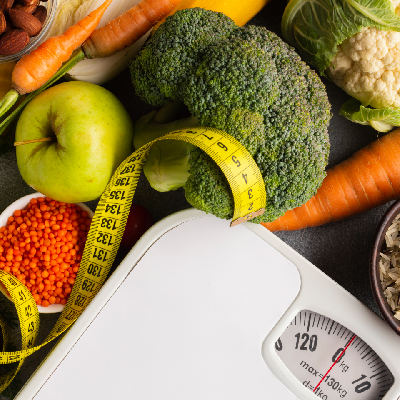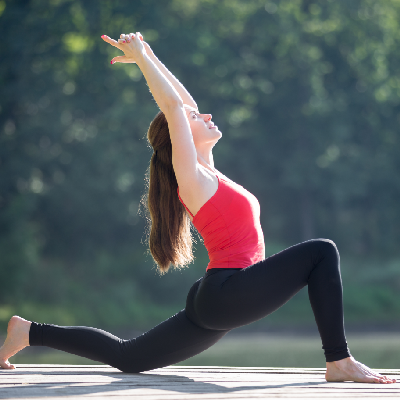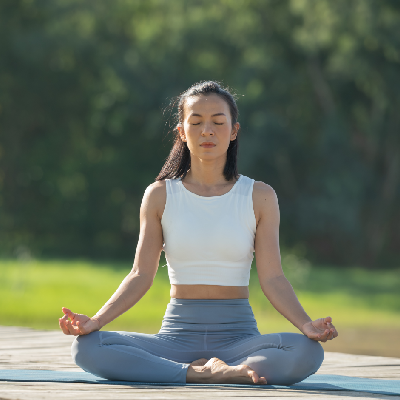


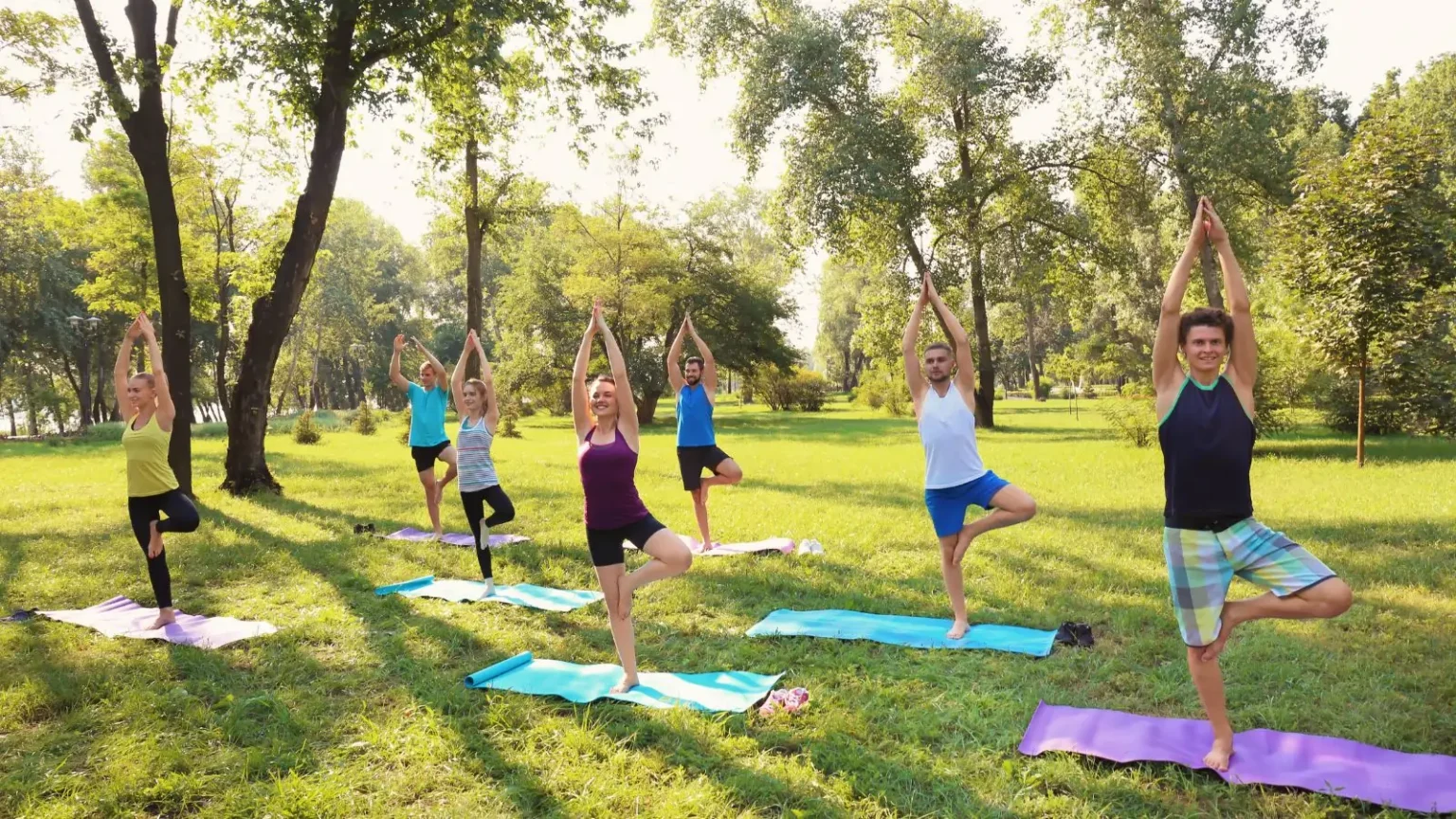
Maintaining a healthy weight involves more than following a strict diet or spending long hours exercising. For women, practical weight management tips can include balanced eating, regular movement, adequate sleep, hydration and stress management. Yoga can be a useful part of an active lifestyle because it combines physical movement, flexibility, balance and relaxation. Weight Loss Yoga Exercises can be included in a regular fitness routine alongside other forms of physical activity and healthy eating habits.
Weight management is not about achieving a particular body shape or reaching a certain number on the weighing scale. It is about developing sustainable habits that support overall wellbeing. A realistic approach can help women build routines that fit their daily schedules, preferences and fitness levels.
This guide explains beginner-friendly yoga exercises, healthy lifestyle habits and practical weight management ideas that women can follow at home or include in a wider exercise routine.
Weight Management Tips for Women
Good weight management tips focus on sustainable habits rather than quick fixes. A healthy approach can include nutritious meals, regular physical activity, adequate rest and realistic goals.
Here are some practical habits to consider:
- Eat a variety of nutritious foods.
- Include regular physical activity in your routine.
- Drink enough fluids throughout the day.
- Prioritise consistent and quality sleep.
- Find healthy ways to manage everyday stress.
- Avoid extreme diets and unrealistic fitness goals.
- Focus on consistency rather than perfection.
- Choose activities that you enjoy and can maintain.
Weight management can look different for every woman. Factors such as age, activity level, lifestyle, food preferences and health circumstances can influence an individual’s needs. Therefore, avoid comparing your progress with someone else’s.
What Are Weight Loss Yoga Exercises?
Weight Loss Yoga Exercises are yoga-based movements that can form part of an active lifestyle. Yoga includes different postures and sequences that can involve stretching, balance, strength and controlled movement.
Modern yoga as exercise commonly uses physical postures, sometimes combined with breathing practices and relaxation.
Yoga should not be viewed as a guaranteed weight-loss method. Its role can be better understood as one component of a broader lifestyle that includes regular physical activity and balanced nutrition.
Some yoga practices are gentle, while others can be more physically demanding. Beginners can start with comfortable movements and gradually develop their practice.
How Yoga Can Support a Healthy Lifestyle?
Yoga can complement other forms of exercise and healthy daily habits. Depending on the style and intensity, yoga can involve physical movement, flexibility, balance and strength.
Regular physical activity is an important part of a healthy lifestyle. The World Health Organization’s physical activity guidelines provide general information about physical activity and its role in overall health.
Supports Physical Activity
Regular movement is an important part of an active lifestyle. Depending on the style and intensity, yoga can provide physical activity while also working on flexibility and balance.
Women can combine yoga with activities such as walking, cycling, swimming, strength exercises or other preferred forms of movement.
7 Beginner-Friendly Yoga Exercises for Weight Management
Women who are new to yoga can start with basic movements and learn proper form before trying more advanced poses.
1. Cat-Cow Stretch
The Cat-Cow Stretch is a gentle movement that involves moving between two positions while coordinating movement with breathing.
It can help beginners practise spinal movement and body awareness.
Perform the movement slowly and avoid forcing your body into an uncomfortable position.
2. Child’s Pose
Child’s Pose is commonly used as a resting or gentle stretching position.
It can be included between more active movements when you want to slow down your routine.
Beginners should adjust the position according to their comfort and avoid pushing through pain.
3. Bridge Pose
Bridge Pose involves lying on your back and lifting the hips while keeping the movement controlled.
It engages several muscle groups and can be included in beginner-friendly yoga routines.
Focus on controlled movement rather than trying to lift the hips as high as possible.
4. Warrior Pose
Warrior Pose is a standing yoga posture that involves the legs, hips and upper body.
It can help practise balance, stability and controlled movement.
Beginners can modify their stance to find a comfortable position and avoid holding the pose longer than feels manageable.
5. Chair Pose
Chair Pose involves bending the knees and lowering the hips as though sitting back towards an imaginary chair.
It can be physically challenging and may engage the legs and core.
Start with a comfortable range of movement and maintain steady breathing.
6. Cobra Pose
Cobra Pose involves lying on the stomach and gently lifting the upper body.
It is commonly included in yoga sequences and can help practise controlled spinal extension.
Avoid forcing the back into a deep bend. A smaller movement can be more suitable for beginners.
7. Downward-Facing Dog
Downward-Facing Dog is a common yoga posture involving the hands and feet while the hips move upward.
It combines elements of stretching, balance and weight bearing through the upper body.
Beginners can keep the knees slightly bent if that feels more comfortable.
Weight Loss Yoga Exercises at Home
One advantage of yoga is that many basic movements can be practised at home with limited equipment.
A simple home routine can include:
- Start with gentle breathing and warm-up movements.
- Practise Cat-Cow Stretch.
- Move into Child’s Pose.
- Add Bridge Pose.
- Practise Warrior Pose on both sides.
- Try Chair Pose for a comfortable duration.
- Include Cobra Pose.
- Finish with Downward-Facing Dog or a gentle resting position.
- End with a few minutes of relaxed breathing.
The routine should feel manageable rather than exhausting. If a movement causes pain, stop and seek appropriate professional guidance.
Weight Loss for Women: Why Consistency Matters
Many women look for quick weight loss solutions, but sustainable lifestyle changes generally require patience and consistency.
Instead of making several major changes at once, start with small habits.
For example:
- Take a short walk regularly.
- Practise yoga several times a week if it suits you.
- Add more vegetables and fruits to meals.
- Choose balanced meals instead of restrictive diets.
- Drink water regularly.
- Maintain a consistent sleep schedule.
- Reduce long periods of inactivity.
Small changes can become easier to maintain when they fit naturally into your routine.
Weight Loss at Home: Creating a Practical Routine
You do not always need a gym to stay active. Weight loss at home can involve a combination of yoga, walking, bodyweight exercises and other forms of movement.
Create a comfortable space where you can exercise without distractions. A yoga mat can provide a suitable surface for many exercises.
A simple weekly routine could combine:
- Yoga sessions
- Walking
- Light strength exercises
- Stretching
- Rest and recovery days
The exact schedule can vary depending on your fitness level and lifestyle.
Building a Weight Loss and Exercise Plan
A weight loss and exercise plan should focus on realistic lifestyle habits rather than extreme restrictions.
Consider these areas when creating a routine:
Physical Activity
Choose activities that you enjoy. Yoga, walking, swimming, cycling and strength training can all be options depending on your preferences and circumstances.
Nutrition
Build meals around a variety of foods, including vegetables, fruits, whole grains, protein sources and suitable healthy fats.
Recovery
Rest is an important part of an exercise routine. Give your body enough time to recover between demanding sessions.
Tracking Progress
Progress does not have to mean changes on the weighing scale. You can also consider improvements in consistency, flexibility, strength, energy levels or exercise habits.
Weight Management Diet: Focus on Balance
A weight management diet should not mean eliminating entire food groups without a valid reason.
Instead, focus on balanced meals and sensible portions.
Include a variety of:
- Vegetables
- Fruits
- Whole grains
- Pulses and legumes
- Protein-rich foods
- Nuts and seeds
- Suitable dairy or alternatives
Indian meals can also fit into a balanced eating pattern. Foods such as dal, vegetables, roti, rice, curd, fruits and legumes can be included according to individual dietary needs.
The goal is to develop eating habits that are practical and enjoyable rather than following an overly restrictive diet.
Portion Awareness and Mindful Eating
Portion awareness can be a useful part of weight management tips.
You do not necessarily need to avoid your favourite foods. Instead, pay attention to portion sizes and how frequently you consume foods that are high in added sugar, salt or saturated fat.
Mindful eating can include:
- Eating slowly.
- Paying attention to hunger and fullness.
- Avoiding unnecessary distractions during meals.
- Enjoying food without guilt.
- Maintaining a balanced overall diet.
This approach can make healthy eating feel more sustainable.
Hydration and Weight Management
Adequate hydration is an important part of everyday wellness.
Water is a simple choice for maintaining fluid intake. You can also include other suitable beverages while being mindful of added sugar.
Instead of relying heavily on sugary drinks, choose water regularly throughout the day.
Hydration needs can vary depending on factors such as weather, physical activity and individual circumstances.
Sleep and Healthy Weight Management
Sleep is often overlooked when people create a weight management plan.
A regular sleep routine can support overall wellbeing and help you feel more prepared for daily activities.
Try to:
- Maintain a consistent bedtime.
- Create a comfortable sleep environment.
- Reduce unnecessary screen use before bed.
- Avoid very heavy meals close to bedtime.
- Give yourself enough time to rest.
Good sleep should be considered alongside nutrition and physical activity rather than treated as a separate issue.
Stress Management and Yoga
Stress can affect daily habits, including eating, sleeping and physical activity.
Yoga often combines movement with controlled breathing and relaxation. This makes it a useful activity for women who want to include relaxation within their fitness routine.
Other simple stress-management activities can include:
- Walking outdoors
- Reading
- Listening to music
- Spending time with friends and family
- Practising breathing exercises
- Taking short breaks during a busy day
Choose methods that feel realistic for your lifestyle.
Weight Loss Tips for Women That Support Healthy Habits
Women searching for weight loss tips for women may come across extreme recommendations online. It is better to focus on practical habits that can be maintained over time.
Some useful principles include:
Avoid Extreme Dieting
Very restrictive diets can be difficult to maintain and may not provide a balanced range of nutrients.
Do Not Depend Only on Exercise
Physical activity is important, but healthy eating, sleep, hydration and stress management also matter.
Choose Enjoyable Activities
If you enjoy yoga, walking or another activity, you may find it easier to stay consistent.
Set Realistic Goals
Avoid expecting dramatic changes within a very short period.
Focus on Long-Term Habits
The most useful weight loss tips that work for an individual are often the ones they can follow consistently as part of a balanced lifestyle.
Creating a Sustainable Weight Management Plan
A sustainable weight management plan should fit your everyday life.
Think about your work schedule, family responsibilities, food preferences and available time before creating your routine.
For example, you could start with:
- 15 to 30 minutes of yoga or another activity.
- Regular walking.
- Balanced meals.
- Adequate water intake.
- Consistent sleep.
- Short relaxation breaks.
You can gradually adjust your routine as you become more comfortable.
There is no need to make every day perfect. Missing one workout or having an occasional less-balanced meal does not mean you need to abandon your overall routine.
Safety Tips for Beginners
Women who are new to yoga should begin gradually.
Keep these points in mind:
- Learn basic movements before attempting advanced poses.
- Use a comfortable and stable surface.
- Do not force stretches.
- Stop if an exercise causes pain or unusual discomfort.
- Focus on controlled movements.
- Avoid comparing your flexibility with others.
- Consider learning from a qualified yoga instructor.
- Seek professional advice if you have a medical condition or injury.
Women who are pregnant, recently gave birth, have an injury, or have a medical condition should consult a qualified healthcare professional before starting or changing an exercise routine.
Can Yoga Alone Help With Weight Management?
Yoga can be part of a healthy lifestyle, but it should not be presented as a guaranteed weight-loss solution.
Some forms of yoga involve light or moderate physical activity, while more physically demanding styles can require greater effort.
For overall fitness and weight management, many women may benefit from combining different types of movement with balanced nutrition and adequate recovery.
The most suitable routine is one that matches your abilities, preferences and lifestyle.
Frequently Asked Questions
Are Weight Loss Yoga Exercises effective for women?
Yoga can contribute to physical activity, flexibility, balance, strength and relaxation. However, it should be considered one part of a broader healthy lifestyle rather than a guaranteed weight-loss method.
Can I practise Weight Loss Yoga Exercises at home?
Yes, many beginner-friendly yoga movements can be practised at home. Start with basic poses and create a comfortable routine that matches your fitness level.
What are the best weight management tips for women?
Useful habits include balanced eating, regular physical activity, adequate hydration, quality sleep, stress management, realistic goals and consistency.
Can yoga alone help with weight loss?
Yoga can support an active lifestyle, but healthy weight management generally involves several lifestyle factors, including nutrition and regular physical activity. Yoga should not be considered a guaranteed weight-loss method.
How can women start weight management at home?
Start with manageable habits such as beginner-friendly yoga, regular walking, balanced meals, adequate water intake and consistent sleep. Increase activity gradually according to your comfort and circumstances.
Conclusion
Weight Loss Yoga Exercises can be a practical addition to a balanced lifestyle for women who enjoy yoga and want to stay physically active. Yoga can support movement, flexibility, balance, body awareness and relaxation, while other forms of exercise can complement these benefits.
The most useful approach to weight management is not based on extreme diets or unrealistic goals. Instead, focus on balanced nutrition, regular activity, hydration, adequate sleep, stress management and consistent habits.
At GoHealthyPro, readers can explore general health and wellness information to support informed everyday choices. Remember that every person’s circumstances are different, so personalised exercise or weight-management advice should come from a qualified healthcare professional.
Health Disclaimer
This article is provided for general educational and informational purposes only. It does not provide medical diagnosis, treatment or personalised health advice. Women who are pregnant, recently gave birth, have an injury, have a medical condition, or have specific dietary or exercise concerns should consult a qualified healthcare professional before starting or changing an exercise or weight-management programme.