


1. Introduction
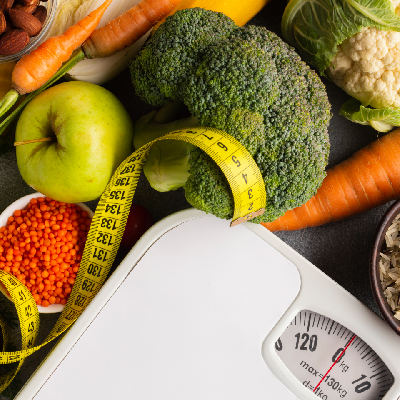
A Complete Nutrition Guide, Good nutrition is like fuel for your body. The better the fuel, the better you perform. From energy levels to mental clarity, what you eat plays a major role in how you feel every day. This guide will help you understand simple, practical ways to improve your eating habits.

2. What is Nutrition?
Nutrition is the process of giving your body the food it needs to function properly. It includes everything you eat and drink, and how your body uses those nutrients for energy, growth, and repair.
Think of your body like a car. Food is the fuel, and nutrients are the parts that keep everything running smoothly. Without the right balance, your body can slow down or even break down over time.
Nutrition is not about strict diets or cutting out your favorite foods. It’s about balance, variety, and making smarter choices. When you understand nutrition, you gain control over your health, energy, and overall lifestyle.
3. Why Nutrition is Important for Your Body
Your body depends on nutrition for almost everything it does. From breathing to thinking, every function needs energy and nutrients.
Good nutrition helps you stay active, focused, and strong. It supports your immune system, helping your body fight infections and diseases. It also plays a big role in maintaining a healthy weight and preventing lifestyle diseases like diabetes and heart problems.
Poor nutrition, on the other hand, can lead to fatigue, weakness, and long-term health issues. You may feel tired even after a full night’s sleep or struggle with low energy throughout the day.
Eating well doesn’t mean being perfect. Even small improvements—like adding more fruits and drinking enough water—can make a big difference over time.
4. Types of Nutrients You Need Daily
- Macronutrients (Carbohydrates, Proteins, Fats)
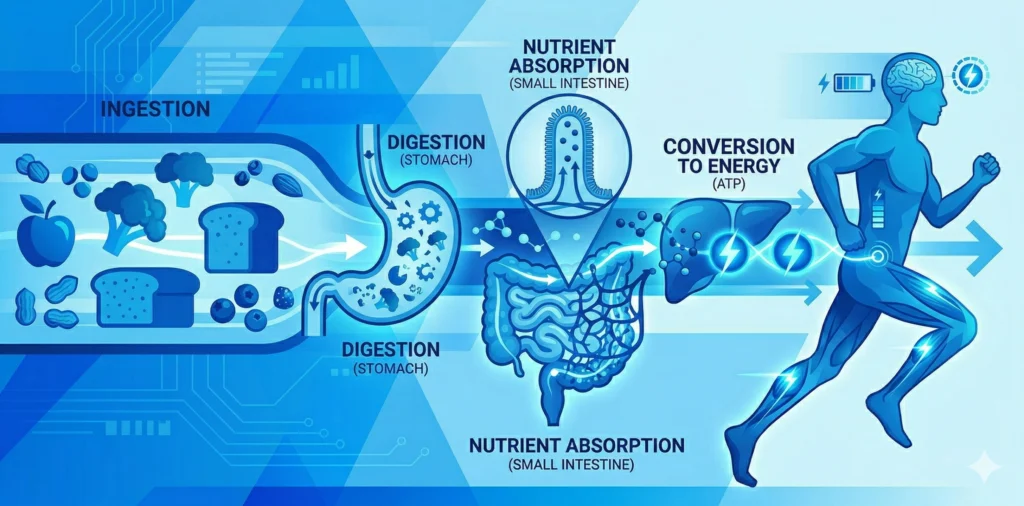
Macronutrients are the main nutrients your body needs in large amounts. Carbohydrates give you quick energy, like fuel for your daily activities. Proteins help build and repair muscles, making them essential for strength and recovery.
Fats often get a bad reputation, but healthy fats are important for brain function and hormone balance. Foods like nuts, seeds, and oils provide good fats. The key is balance—too much or too little of any macronutrient can affect your health.
- Micronutrients (Vitamins, Minerals)
Micronutrients are needed in smaller amounts but are just as important. Vitamins help your body fight infections and keep your skin and eyes healthy. Minerals like calcium and iron support bones and blood health.
Even though you don’t need large amounts, a lack of these nutrients can cause problems. Eating a variety of fruits, vegetables, and whole foods ensures you get enough micronutrients daily.
- Water and Hydration
Water is often overlooked, but it’s one of the most important nutrients. It helps regulate body temperature, supports digestion, and keeps your skin healthy.
Staying hydrated also improves energy and focus. Even mild dehydration can make you feel tired and slow. Drinking enough water throughout the day is a simple habit that makes a big difference.
5. Benefits of a Balanced Diet
- Better Energy Levels
A balanced diet provides steady energy throughout the day. Instead of sudden energy crashes, you feel more stable and active.
Eating the right mix of nutrients keeps your blood sugar levels balanced. This helps you stay productive and focused without feeling drained.
- Improved Immunity
Your immune system depends on proper nutrition to fight illnesses. Foods rich in vitamins and minerals strengthen your body’s defense system.
When you eat healthy regularly, your body becomes better at protecting itself from infections and diseases.
- Weight Management
Balanced eating helps you maintain a healthy weight without extreme dieting. It teaches your body to use energy efficiently.
Instead of cutting calories drastically, you focus on quality foods. This makes weight control more sustainable and less stressful.
- Mental Health Support
Food affects your brain just like it affects your body. Nutrient-rich foods support better mood and mental clarity.
Eating well can reduce stress, improve focus, and help you feel more positive overall. It’s like feeding your mind the right fuel.
6. How to Build a Balanced Meal
- The Ideal Plate Method
Imagine your plate divided into sections. Half should be vegetables, one-quarter protein, and one-quarter carbohydrates.
This simple method helps you create balanced meals without overthinking. It’s easy to follow and works for most people.
- Portion Control Basics
Eating healthy isn’t just about what you eat—it’s also about how much. Even healthy foods can cause weight gain if eaten in excess.
Using smaller plates or measuring portions can help you avoid overeating. Listen to your body’s hunger signals.
- Choosing Whole Foods Over Processed Foods
Whole foods are closer to their natural form and contain more nutrients. Processed foods often have added sugar, salt, and unhealthy fats.
Choosing fresh fruits, vegetables, and whole grains helps improve your overall health and energy levels.
- Importance of Meal Timing
When you eat is just as important as what you eat. Skipping meals can lead to overeating later.
Eating at regular intervals keeps your metabolism active and helps maintain steady energy throughout the day.
7. Daily Nutrition Requirements by Age and Lifestyle
- Adults with Sedentary Lifestyle
People who sit for long hours need fewer calories but still require proper nutrients. Focus on nutrient-dense foods rather than high-calorie meals.
Light meals with balanced nutrients help maintain health without unnecessary weight gain.
- Active Individuals
Active people need more energy and protein to support their activity levels. Their meals should include more carbohydrates and proteins.
Proper nutrition helps improve performance, recovery, and endurance.
- Weight Loss vs Muscle Gain Needs
For weight loss, focus on a calorie deficit with high-protein foods. For muscle gain, increase calorie intake with balanced nutrients.
Understanding your goal helps you adjust your diet effectively without confusion.
8. Common Nutrition Mistakes to Avoid
- Skipping Meals
Skipping meals might seem like a quick way to lose weight, but it often leads to overeating later.
It can also slow down your metabolism and reduce energy levels.
- Overeating “Healthy” Foods
Just because a food is healthy doesn’t mean you can eat unlimited amounts. Nuts, smoothies, and healthy snacks still contain calories.
Balance is key, even with nutritious foods.
- Ignoring Hydration
Many people forget to drink enough water. This can lead to fatigue, headaches, and poor concentration.
Make it a habit to drink water regularly throughout the day.
- Following Fad Diets
Fad diets promise quick results but are often hard to maintain. They can also lead to nutrient deficiencies.
Focus on long-term habits instead of short-term fixes.
9. Easy Nutrition Tips for Busy People
- Quick Healthy Meal Ideas
Simple meals like salads, smoothies, and stir-fries are quick to prepare and nutritious.
Keeping recipes simple makes healthy eating easier to follow daily.
- Smart Grocery Shopping Tips
Plan your meals before shopping and stick to a list. This helps avoid unhealthy impulse purchases.
Buying fresh and whole foods ensures better nutrition at home.
- Meal Prep Basics
Preparing meals in advance saves time and helps you stay consistent.
Cooking in batches ensures you always have healthy food ready.
- Healthy Snacking Options
Choose snacks like fruits, nuts, yogurt, or boiled eggs. These keep you full and energized.
Avoid processed snacks that are high in sugar and unhealthy fats.
10. Best Foods to Include in Your Diet
- Protein-Rich Foods
Include foods like eggs, chicken, lentils, and beans. Protein supports muscle growth and repair.
It also helps keep you full for longer periods.
- Fiber-Rich Foods
Fruits, vegetables, and whole grains are rich in fiber. They support digestion and gut health.
Fiber also helps control hunger and improve overall health.
- Healthy Fats
Healthy fats come from nuts, seeds, avocados, and oils. They support brain and heart health.
These fats are essential, but should be consumed in moderation.
- Vitamins & Mineral Sources
Colorful fruits and vegetables provide essential vitamins and minerals.
Eating a variety ensures your body gets everything it needs to function properly.
11. Foods to Limit or Avoid
- Processed Foods
Processed foods often contain high levels of sugar, salt, and unhealthy fats.
Reducing them can improve your health and energy levels.
- Sugary Drinks
Sugary beverages add empty calories without nutrition.
Replacing them with water or natural drinks is a healthier choice.
- Excess Salt & Junk Food
Too much salt can lead to health issues like high blood pressure.
Limiting junk food helps maintain better overall health.
12. How to Start a Healthy Eating Routine
- Set Realistic Goals
Start small and focus on achievable changes. This makes the process less overwhelming.
Consistency matters more than perfection.
- Track Your Eating Habits
Keeping track of what you eat helps you understand your habits.
It allows you to make better choices over time.
- Make Gradual Changes
Avoid sudden drastic changes. Small steps lead to long-term success.
Replace unhealthy foods slowly with healthier options.
- Stay Consistent
Healthy eating is a long-term commitment.
Staying consistent helps you build habits that last a lifetime.
13. FAQs
u003cstrongu003e1 What is the most important nutrient for the body?u003c/strongu003e
There is no single most important nutrient. Your body needs a balance of all nutrients to function properly.
u003cstrongu003e2 How much water should I drink daily?u003c/strongu003e
Around 2–3 liters per day is generally recommended, but it depends on activity level and climate.u003cbru003e
u003cstrongu003e3 Can I stay healthy without dieting?u003c/strongu003e
Yes. Healthy eating is about balance, not strict dieting.
u003cstrongu003e4 How many meals should I eat in a day?u003c/strongu003e
Most people do well with 3 main meals and 1–2 healthy snacks.
u003cstrongu003e5 Are supplements necessary?u003c/strongu003e
Not always. A balanced diet can provide most nutrients, but supplements may help in certain cases.
u003cstrongu003e6 What is the best diet for weight loss?u003c/strongu003e
A calorie-controlled, balanced diet with whole foods works best.
u003cstrongu003e7 Is skipping meals bad for health?u003c/strongu003e
Yes, it can lead to overeating and low energy levels.
u003cstrongu003e8 How do I maintain a balanced diet on a budget?u003c/strongu003e
Focus on affordable whole foods like grains, seasonal fruits, and local vegetables.