

12 Foods to Strengthen Your Immune System
Building Your Natural Defense
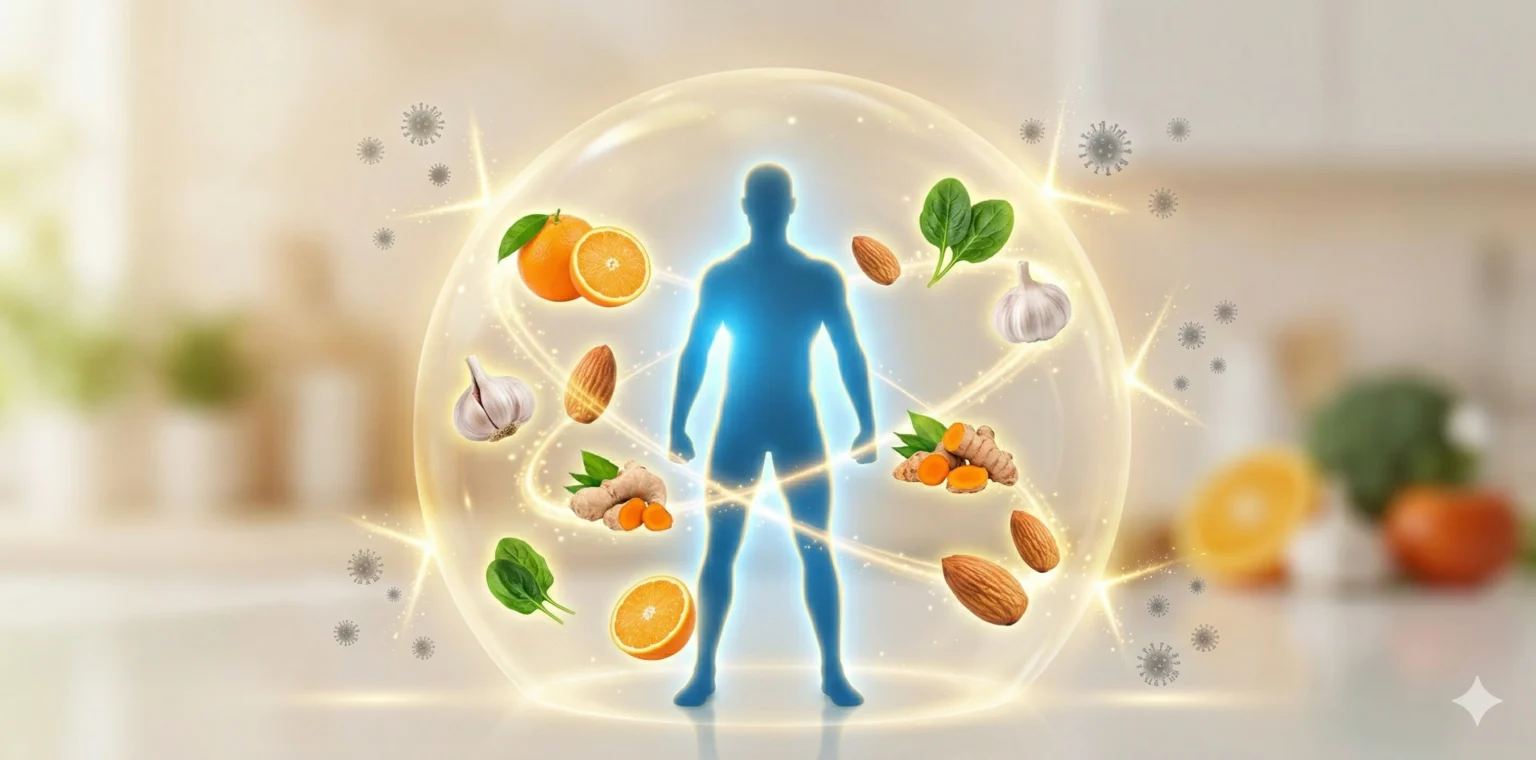
Immunity foods are more than a trending topic—they are your body’s first line of defense against everyday illness. Think of your immune system as an army; what you eat is the fuel that keeps that army battle-ready. The good news is that small, consistent food choices can make a big difference in how well your body protects itself.
What Is the Link Between Diet and Immunity?
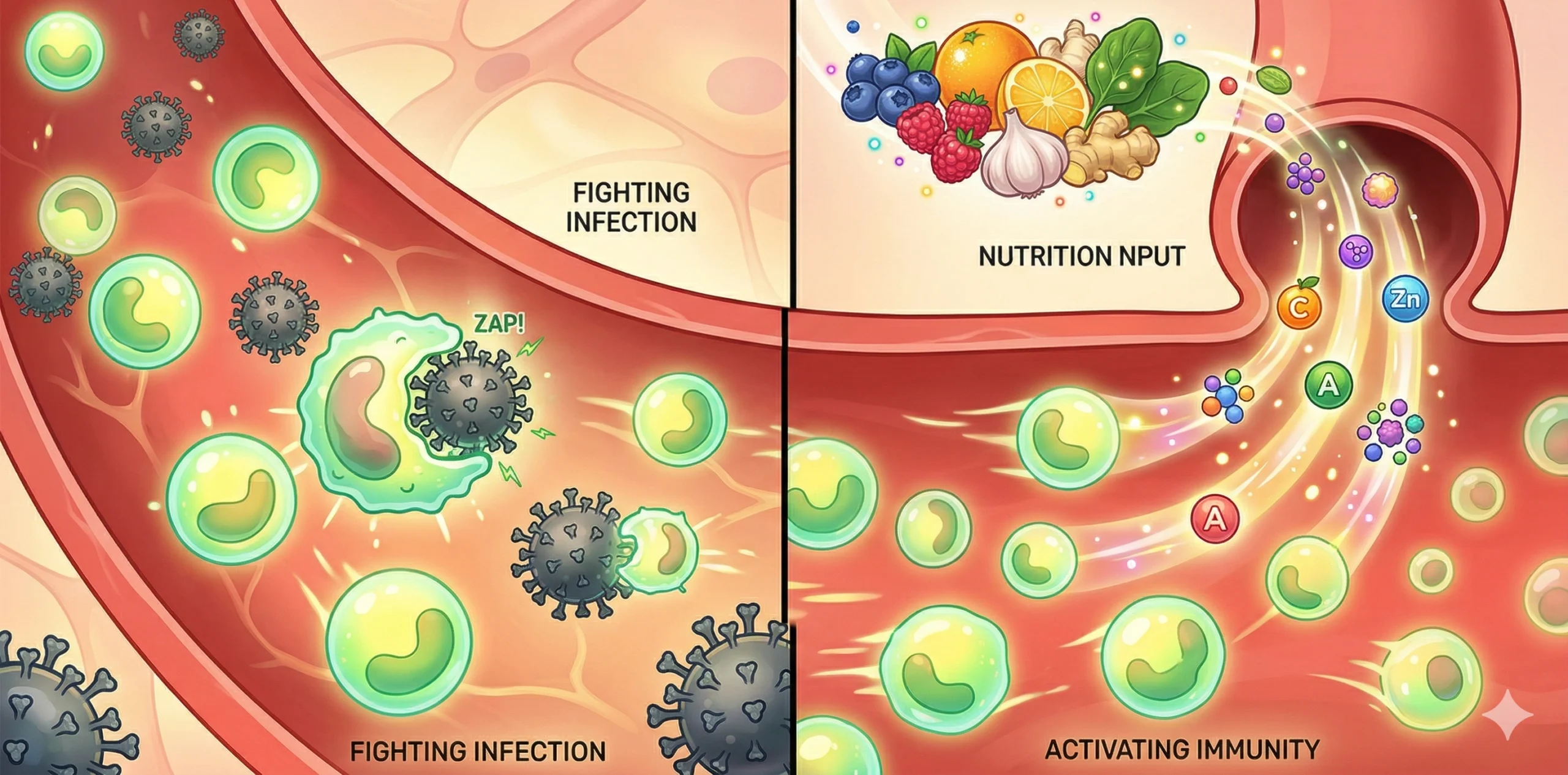
Your gut houses nearly 70% of your immune cells. What you eat directly shapes the environment in which those cells live and function. A diet rich in vitamins, minerals, and antioxidants helps your immune cells communicate faster and fight smarter.
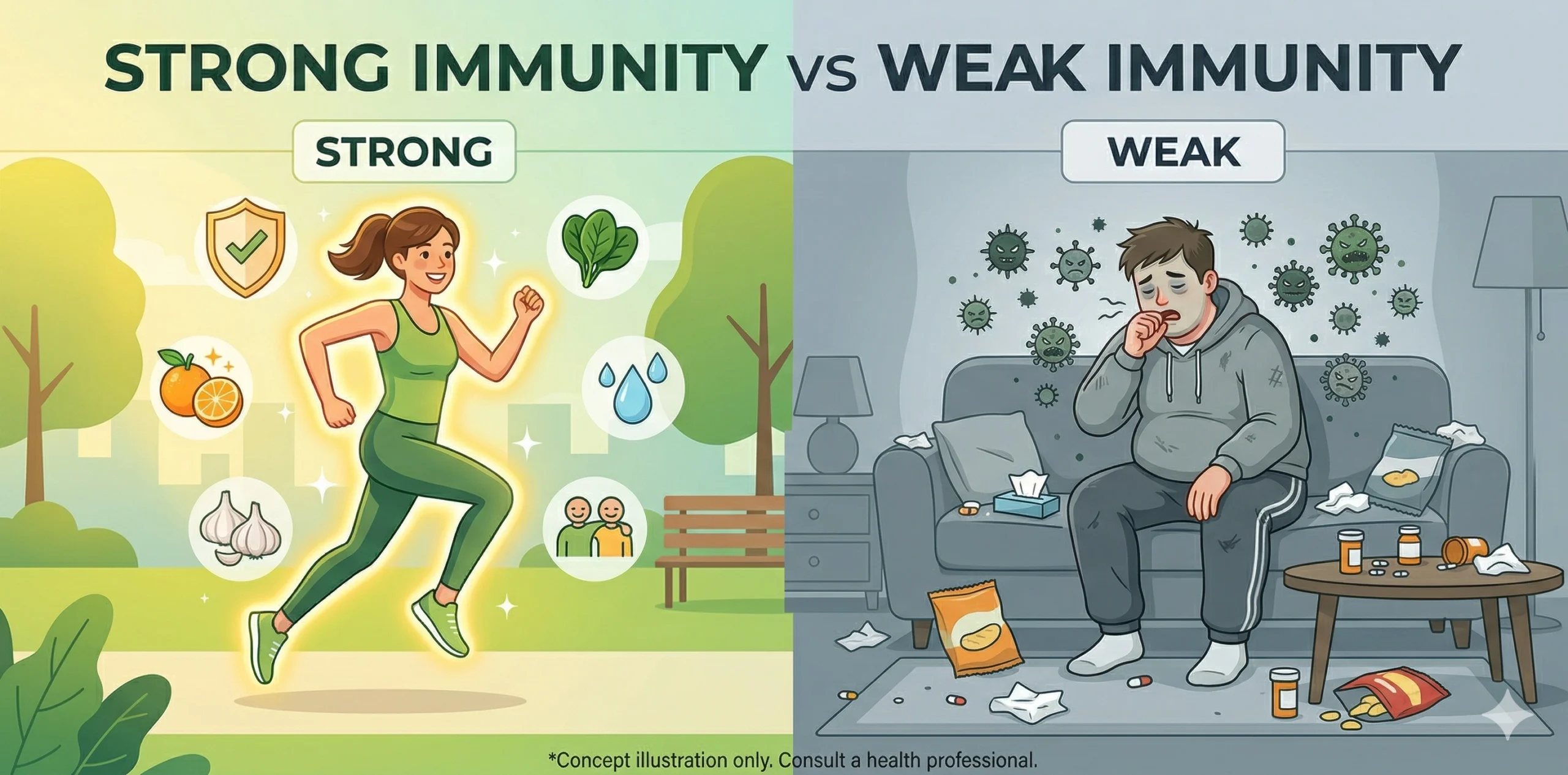
On the flip side, a diet high in processed foods and refined sugar starves those cells and creates inflammation—making it easier for viruses and bacteria to take hold. An immune system support diet is not about eating perfectly 100% of the time. It is about consistently choosing foods that work with your biology, not against it.
12 Powerful Immunity Foods to Strengthen Your Body
Here is a closer look at the best foods for your immune system and why each one earns its place on your plate.
Citrus Fruits: The Vitamin C Powerhouses
Oranges, lemons, grapefruits, and limes are loaded with Vitamin C—one of the most well-known immune-boosting nutrients. Vitamin C rich foods like these help stimulate the production of white blood cells, your body’s primary infection fighters. Because your body cannot produce or store Vitamin C on its own, you need a fresh daily dose.
💡 Tip: Squeeze half a lemon into warm water every morning for a simple immune-boosting habit.
Red Bell Peppers: High Nutrient Density for Protection
Surprised? Red bell peppers actually contain nearly three times the Vitamin C found in an orange—and they are also rich in beta carotene. Your body converts beta carotene into Vitamin A, which supports healthy skin and mucous membranes—the physical barriers that stop pathogens from entering your body in the first place.
Broccoli: A Multivitamin in a Vegetable
Broccoli is one of the most nutrient-dense vegetables you can put on your plate. It packs vitamins A, C, and E, along with fiber and a host of antioxidants. Antioxidant-rich foods like broccoli protect your cells from oxidative stress—which, over time, weakens your immune response. The key is to cook it as little as possible to preserve its nutrients.
Garlic: Natural Antibacterial and Antiviral Properties
Garlic has been used as a natural remedy across cultures for thousands of years. Its immune-boosting power comes from allicin, a sulfur compound released when garlic is crushed or chopped. Studies suggest allicin can help the body fight off infections, reduce the duration of colds, and even lower blood pressure. Add it to soups, stir-fries, or salad dressings for an easy daily boost.
💡 Quick Tip: Let chopped garlic sit for 10 minutes before cooking—this activates more of its beneficial compounds.
Ginger: Reducing Inflammation and Soothing the Body
Ginger is a cornerstone of any anti-inflammatory diet. Its active compound, gingerol, has powerful anti-inflammatory and antioxidant effects. Whether you are dealing with a sore throat, nausea, or general inflammation, ginger works as both a preventive and a soothing remedy. Fresh ginger in tea or smoothies is one of the easiest ways to work it into your routine.
Spinach: Packed with Antioxidants and Beta Carotene
Spinach makes the list of top immune boosting foods because it is rich in Vitamin C, beta carotene, and numerous antioxidants. Like broccoli, spinach is healthiest when cooked lightly—or eaten raw in salads—so its nutrients are not destroyed by heat. It also contains folate, which helps your body produce new cells and repair DNA.
Yogurt: Boosting Gut Health with Probiotics
Yogurt containing live and active cultures is one of the best foods for immune system support because of its probiotics. Probiotics for gut health and immunity work by keeping your intestinal flora balanced, which directly supports your immune defenses. Look for plain yogurt with “live active cultures” on the label—skip the sugar-loaded flavored varieties.
Want to go deeper on this? Check out our complete guide to gut health and how it shapes your entire immune system.
Almonds: Essential Vitamin E for Immune Support
While Vitamin C gets all the headlines, Vitamin E is a quieter but equally important immune nutrient. Almonds are among the best sources of Vitamin E—a fat-soluble antioxidant that helps regulate and maintain immune function. A small handful of almonds (about 15–20) gives you nearly 50% of your recommended daily intake.
Turmeric: The Power of Curcumin
Turmeric is the golden spice that has powered Ayurvedic medicine for centuries. Its active ingredient, curcumin, is a potent anti-inflammatory compound that has been shown to modulate immune cell activity. Adding turmeric to curries, soups, or golden milk lattes is a simple way to harness its protective nutrients daily.
💡 Pro Tip: Always pair turmeric with a pinch of black pepper—piperine increases curcumin absorption by up to 2000%.
Green Tea: Rich in Protective Flavonoids
Green tea is loaded with flavonoids—plant-based antioxidants that reduce inflammation and oxidative stress. It also contains EGCG (epigallocatechin gallate), a compound studied for its ability to enhance immune function. Unlike black tea, green tea is minimally processed, which means it retains more of its naturally occurring immune-supporting compounds.
Berries: Antioxidant Support for Daily Defense
Blueberries, strawberries, raspberries, and blackberries are superfoods for the immune system. Berries are dense in flavonoids and Vitamin C—making them one of the most powerful antioxidant-rich foods you can eat. Research suggests that people who eat flavonoid-rich foods are less likely to develop upper respiratory infections. Frozen berries work just as well as fresh—more on that in the FAQ section.
Lean Proteins: Zinc and Vitamin B-6 for Cell Repair
Chicken, turkey, fish, tofu, and legumes are all excellent sources of lean protein. Protein is the building block of antibodies—the molecules your immune system produces to identify and neutralize threats. Zinc-rich foods for health like chicken and beans also play a critical role in immune cell development, while Vitamin B-6 supports biochemical reactions throughout the immune system.
At a Glance: Immunity Foods and Their Key Nutrients
| Food | Primary Immune Nutrient |
| Citrus Fruits | Vitamin C |
| Red Bell Peppers | Vitamin C + Beta Carotene |
| Broccoli | Vitamins A, C & E + Antioxidants |
| Garlic | Allicin (Antibacterial) |
| Ginger | Gingerol (Anti-inflammatory) |
| Spinach | Beta Carotene + Folate |
| Yogurt | Probiotics |
| Almonds | Vitamin E |
| Turmeric | Curcumin |
| Green Tea | Flavonoids / EGCG |
| Berries | Flavonoids + Vitamin C |
| Lean Proteins | Zinc + Vitamin B-6 |
Benefits of Eating Diverse Immunity Foods
No single food can do it all. Think of your immune system like an orchestra—every instrument plays a different role, and the music only sounds right when they all work together.
Eating a wide variety of immune boosting foods means you cover all your nutritional bases:
- You get a broader range of vitamins and minerals.
- You feed a diverse gut microbiome, which strengthens immune response.
- You reduce the risk of nutritional gaps that can quietly weaken immunity.
- You lower systemic inflammation through an anti-inflammatory diet.
- You support energy, mood, and overall vitality—not just immunity.
Holistic health nutrition is not about eating the same “superfoods” every day. It is about building a colorful, varied plate that delivers consistent, protective nutrients over time.
How to Add Immunity Foods to a Busy Lifestyle
Knowing which foods to eat is only half the battle. The other half is actually getting them into your day—especially when life gets hectic. Here are practical strategies that work.
Simple Meal Prep Strategies for the Week
Spending 60–90 minutes on the weekend can set up your immune health for the entire week. Batch-cook grains, roast vegetables, and portion out nuts and berries. When healthy food is ready to grab, you will naturally reach for it instead of processed options.
Need help getting started? Our guide to meal prep strategies breaks it down step by step—even if you have never meal prepped before.
Quick and Healthy Snack Ideas for the Office
Snacking smartly is one of the easiest ways to boost your immunity throughout the day:
- A small handful of almonds + a clementine
- Greek yogurt with a handful of frozen berries (thawed overnight)
- Baby carrots or red bell pepper strips with hummus
- A green tea instead of your third coffee
- A small square of 70%+ dark chocolate (rich in zinc and flavonoids)
Boosting Your Morning Smoothies in Minutes
Morning smoothies are a powerhouse opportunity to pack in multiple immunity foods at once. Try blending:
- 1 cup of spinach (you will not taste it)
- ½ cup of mixed berries
- 1 tablespoon of fresh ginger
- 1 teaspoon of turmeric + a pinch of black pepper
- 1 cup of plain yogurt or a milk of your choice
This single smoothie covers at least five of our 12 immune boosting foods—in under five minutes.
Simple Lifestyle Habits for Better Immune Support
Food is powerful, but it works best alongside the right lifestyle habits. Think of these as the foundation under your dietary defense.
Prioritizing Quality Sleep for Recovery
Your immune system does most of its repair work while you sleep. Consistently getting 7–9 hours of restful sleep allows your body to produce cytokines—proteins that target inflammation and infection. Poor sleep, even for just a few nights, can measurably weaken immune response. Explore our tips on achieving quality sleep to make the most of your body’s recovery window.
Managing Daily Stress Levels
Chronic stress floods your body with cortisol, which suppresses immune function over time. Simple practices like deep breathing, short walks, journaling, or even 10 minutes of meditation can meaningfully lower stress levels and give your immune system room to operate properly.
Staying Hydrated Throughout the Day
Water helps flush toxins, supports kidney function, and keeps the mucous membranes in your nose and throat moist—your body’s first physical barrier against pathogens. Aim for at least 8 glasses of water daily, and consider herbal teas (especially green tea or ginger tea) as a way to hydrate and get immune-boosting compounds at the same time.
Common Myths About Immune-Boosting Diets
Not everything you read about natural immunity boosters is accurate. Let’s clear up a few common misconceptions:
- Myth: Megadosing Vitamin C prevents all colds. Truth: While Vitamin C helps, taking extreme doses beyond your daily need offers little extra benefit and can cause digestive issues.
- Myth: You only need to eat well when you feel sick. Truth: Immune health is built over weeks and months—not days.
- Myth: Supplements can fully replace immunity foods. Truth: Whole foods provide synergistic nutrients that isolated supplements cannot replicate.
- Myth: All superfoods are equally powerful. Truth: There is no single miracle food. Dietary diversity is what actually works.
Small Steps for Long-Term Health
Building a stronger immune system does not require an extreme diet overhaul. It starts with small, consistent choices—adding a handful of berries to your breakfast, swapping your afternoon soda for green tea, or tossing some garlic and spinach into tonight’s dinner.
These immunity foods are not magic bullets. But over time, they work together to build a nutritional defense system that is hard for illness to break through. Start with two or three foods from this list, build the habit, and expand from there. Your immune system will notice—and so will you.
🌿 Remember: You do not have to eat perfectly. You just have to eat better, more often, consistently.