

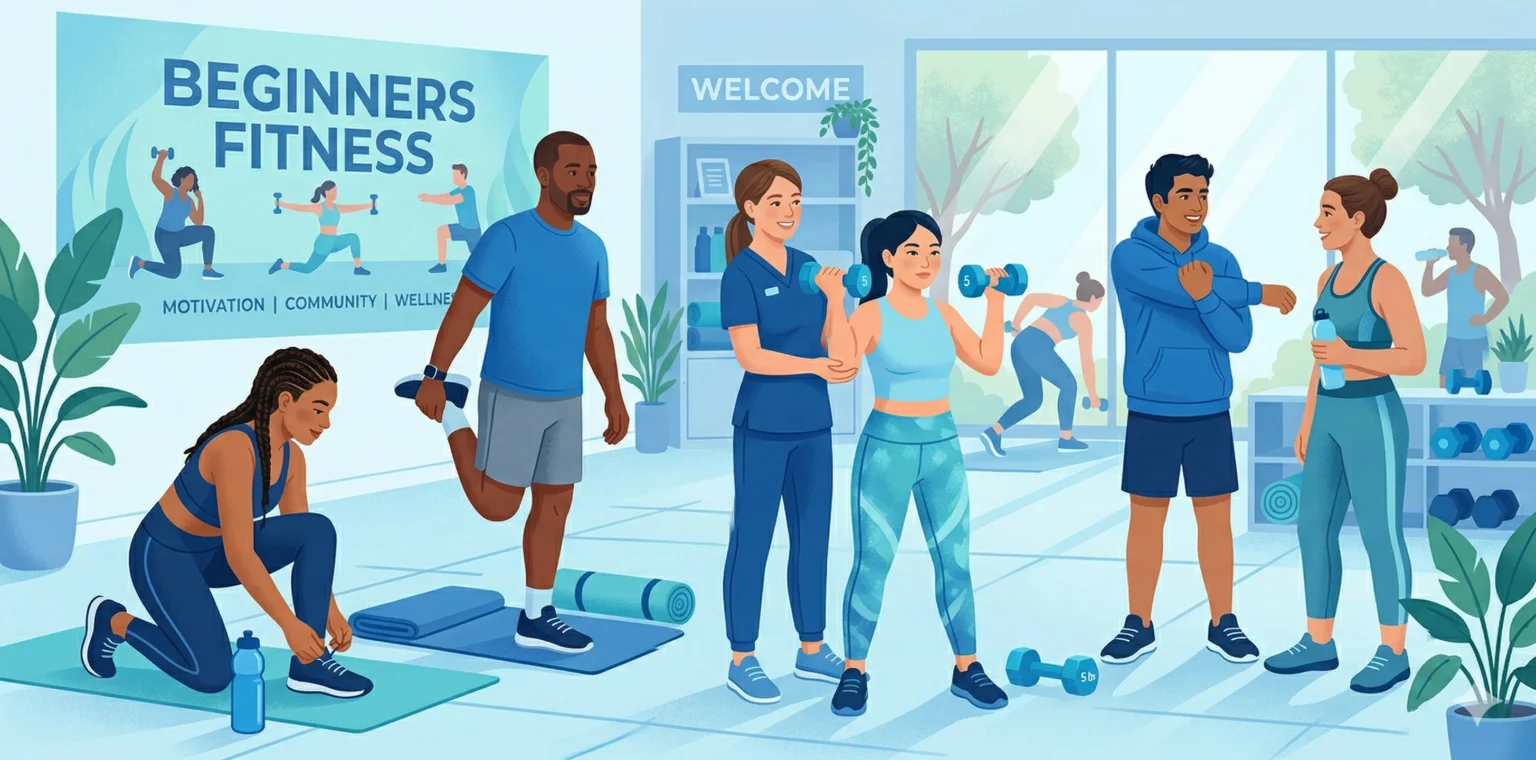
Introduction
Starting a fitness journey can feel like standing at the base of a mountain — massive, a little scary, and totally worth it. Whether you have never set foot in a gym or you have tried and stopped before, this beginner fitness guide breaks everything down into simple, manageable steps. No complicated jargon. No unrealistic promises. Just practical advice that actually works in real life.
| Quick Promise By the end of this guide, you will have a clear picture of how to start exercising, what to eat, how to stay motivated, and how to build a fitness habit that sticks — even with a busy schedule. |
What is Fitness?
Fitness is not just about six-pack abs or lifting heavy weights. True physical fitness is about how well your body functions every single day — how easily you can climb stairs, carry groceries, play with your kids, or get through a long workday without feeling drained.
Think of fitness like a car’s overall health. It is not just about speed (cardio). It is about the engine (strength), the flexibility of the joints (mobility), and the fuel system (nutrition). When all parts work together, the whole machine runs smoother and lasts longer.
Fitness has five main components:
- Cardiovascular endurance — Your heart and lungs’ ability to sustain activity
- Muscular strength — How much force your muscles can produce
- Muscular endurance — How long muscles can keep working
- Flexibility — Your range of motion at joints
- Body composition — The ratio of fat to lean mass in your body
Benefits of Regular Exercise
Exercise is one of the most powerful things you can do for your body and mind. The benefits show up quickly — often within days of starting.
| Benefit | What Changes |
| Heart Disease Risk | Reduced by up to 30% with regular cardio |
| Energy Levels | Increased by ~40% within weeks of consistent exercise |
| Mood | 50%+ improvement in mood scores due to endorphin release |
| Recommended Activity | 150 minutes of moderate exercise per week (WHO guideline) |
| Visible Changes | Typically appear within 6–8 weeks of consistent training |
- Boosts mood and reduces anxiety by releasing endorphins
- Strengthens bones and reduces risk of osteoporosis
- Improves sleep quality significantly
- Helps manage blood sugar and insulin sensitivity
- Supports healthy weight management
- Sharpens memory and cognitive function
- Increases lifespan and quality of life
“Exercise is the closest thing to a magic pill that we have.”
How to Start Your Fitness Journey
The hardest part of any fitness journey is not the workout — it is getting started. Here is how to do it the right way.
Set Clear and Realistic Goals
Vague goals like ‘I want to get fit’ rarely lead anywhere. Instead, try something specific: ‘I want to walk 30 minutes, 4 days a week for the next month.’ Use the SMART framework — goals that are Specific, Measurable, Achievable, Relevant, and Time-bound.
Assess Your Current Fitness Level
Before starting, do a quick self-check. How far can you walk without getting winded? Can you do 10 push-ups? How flexible are you? This is not about judging yourself — it is about knowing your starting line. You cannot measure progress if you do not know where you began.
Choose Activities You Enjoy
The best workout is the one you will actually do. If you hate running, do not make it the centerpiece of your plan. Love dancing? That counts. Enjoy swimming? Perfect. Pick activities that feel less like punishment and more like something you would look forward to.
Create a Simple Weekly Plan
Start with 3 days a week. Keep it simple. Even two 20-minute sessions are better than zero. Structure beats motivation on most days — when exercise is scheduled like a meeting, you are far more likely to follow through.
Types of Exercise for Beginners
A balanced fitness routine includes four types of exercise. Think of them as the four food groups of fitness — each one serves a different purpose, and together they create a complete, healthy body.
Cardio (Walking, Running, Cycling)
Cardio gets your heart pumping and lungs working. It burns calories, improves endurance, and is great for heart health. Cardio exercises for beginners include:
- Brisk walking (start with 20-30 minutes)
- Light jogging or running intervals
- Cycling (outdoors or stationary bike)
- Swimming or water aerobics
- Jump rope or dancing at home
Strength Training (Bodyweight, Weights)
Beginner strength training does not require a gym. Your own bodyweight is enough to build real muscle and boost metabolism. Squats, push-ups, lunges, and planks are all powerful tools. Once bodyweight feels easy, you can graduate to resistance bands or dumbbells.
| Pro Tip Muscle burns more calories than fat — even at rest. Adding 2 strength sessions a week can noticeably speed up weight loss and make everyday tasks feel easier. |
Flexibility (Stretching, Yoga)
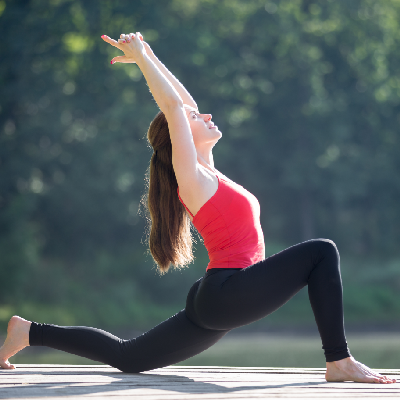
Flexibility work keeps your joints healthy and reduces injury risk. It is also deeply relaxing. Try adding 10 minutes of stretching after each workout. Yoga routines combine flexibility with mindfulness for a double benefit — explore beginner-friendly yoga at gohealthypro.com.
Balance and Mobility Exercises
Balance training often gets ignored by beginners, but it is incredibly important — especially as we age. Simple moves like single-leg stands, heel-to-toe walks, or basic Tai Chi can dramatically improve coordination and prevent falls and injuries.
Basic Workout Plan for Beginners
Here is a practical workout routine you can start this week. No special equipment needed.
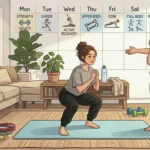
Weekly Workout Schedule Example
| Day | Focus | Duration | Activity |
| Monday | Full Body Strength | 25 min | Squats, push-ups, lunges, plank |
| Tuesday | Cardio | 30 min | Brisk walk or light jog |
| Wednesday | Rest / Active Recovery | 15 min | Stretching or yoga |
| Thursday | Strength | 25 min | Bodyweight circuit |
| Friday | Cardio + Core | 30 min | Cycling + core exercises |
| Saturday | Fun Activity | 30-45 min | Swimming, hiking, dancing |
| Sunday | Complete Rest | — | Recover, sleep, relax |
Beginner Full-Body Routine
This simple circuit takes just 20-25 minutes. Do each exercise for 30 seconds, rest 15 seconds, and repeat the circuit 2-3 times:
- Bodyweight Squats
- Modified Push-Ups (on knees is fine)
- Reverse Lunges (alternating legs)
- Plank Hold
- Glute Bridges
- Mountain Climbers (slow pace)
Rest and Recovery Days
Rest is not laziness — it is where growth happens. Muscles repair and get stronger during rest, not during the workout itself. Aim for at least 2 full or active recovery days per week. Sleep 7-9 hours a night. This is when your body does its best work.
Essential Fitness Tips for Beginners
Start Slow and Progress Gradually
Think of your fitness level like a bank account. You build it slowly over time with consistent deposits. Trying to withdraw too much too soon leads to burnout and injury. Add 10% more volume each week, not 100%.
Focus on Proper Form
Bad form is the fastest way to get injured. A perfect squat at zero weight beats a sloppy squat with heavy weight every time. Watch beginner tutorials, use mirrors, or work with a trainer for your first few sessions to lock in the basics.
Stay Consistent
Consistency beats perfection. An imperfect workout done regularly will always outperform a perfect workout done occasionally. Show up, even when motivation is low. Habits are built through repetition, not inspiration.
Listen to Your Body
There is a difference between the discomfort of effort (good pain) and the sharp signal of injury (stop now). Learn to tell the difference. Soreness 24-48 hours after a workout is normal. Sharp or joint pain during a workout is not.
| Remember Always warm up for 5-10 minutes before exercise and cool down for 5 minutes after. This dramatically reduces injury risk and speeds up recovery. |
Nutrition Basics for Fitness
Exercise and nutrition work like a two-person team. You cannot out-train a bad diet — and even a great diet needs movement to unlock its full potential.
Importance of a Balanced Diet
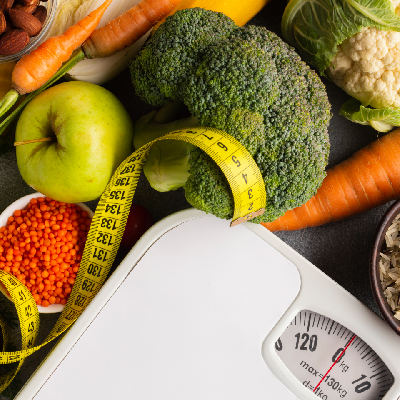
A beginner fitness diet plan does not need to be complicated. Focus on whole foods — vegetables, fruits, lean proteins, whole grains, and healthy fats. Minimize ultra-processed food, added sugars, and excess sodium.
Key Nutrients (Protein, Carbs, Fats)
| Nutrient | Role in Fitness | Good Sources |
| Protein | Builds and repairs muscle | Eggs, chicken, legumes, tofu, Greek yogurt |
| Carbohydrates | Primary fuel for workouts | Oats, rice, fruits, sweet potatoes |
| Healthy Fats | Hormone production, joint health | Avocado, nuts, olive oil, fatty fish |
Hydration Tips
Dehydration tanks your performance fast. Even losing 2% of your body’s water can impair strength and concentration. Drink water consistently throughout the day — not just during workouts.
- Drink 2-3 liters of water daily
- Add an extra 400-600ml for every hour of exercise
- Limit alcohol and sugary drinks, which dehydrate you
Pre- and Post-Workout Meals
Before a workout: Eat a light meal with carbs and protein 60-90 minutes before. A banana with peanut butter or oatmeal with milk works great.
After a workout: Eat within 30-60 minutes to aid recovery. Aim for protein + carbs — like chicken with rice, or a protein smoothie with fruit.
Common Beginner Mistakes to Avoid
Skipping Warm-Ups and Cool-Downs
Jumping straight into a hard workout is like flooring a cold car engine. Things break. Always spend 5-10 minutes warming up with light movement and dynamic stretches, and cool down with static stretching afterward.
Overtraining Too Soon
More is not always better — especially at the start. If you train every day without recovery, you accumulate fatigue faster than you build fitness. The result? Burnout, injury, and quitting. Start with 3 days a week and build from there.
Ignoring Nutrition
You cannot outrun a fork. Exercise alone will not transform your body if you are routinely eating in excess or skipping the nutrients that fuel recovery. Track your meals for a week — most people are surprised by what they discover.
Comparing Yourself to Others
Social media makes this trap very easy to fall into. Someone else’s six-month transformation photo did not show their genetics, starting point, or professional support. Your journey is uniquely yours. Compare yourself only to who you were last week.
How to Stay Motivated
Track Your Progress
What gets measured gets managed. Take weekly photos, log your workouts, or use a fitness app to record reps and distances. Progress feels invisible when you are in the middle of it — tracking makes it visible and keeps you going.
Set Short-Term Milestones
Big goals keep you inspired. Short-term milestones keep you moving. Break your big goal into monthly or weekly targets. Completing your first week of workouts? That is a win. Celebrate it.
Find a Workout Partner
Accountability is a superpower. Working out with a friend, joining a group class, or checking in online with a community makes you far more likely to show up. You are less likely to cancel on a person than on yourself.
Reward Yourself
Build in rewards for hitting milestones — new workout gear after 4 weeks, a massage after 8, a fun day trip after 3 months. Positive reinforcement works for all of us.
Home Workouts vs Gym Workouts
One of the most common questions beginners ask is whether to work out at home or join a gym. Both work brilliantly when done consistently. Each has its advantages.
Benefits of Home Workouts
- Zero commute — saves time and removes excuses
- No monthly membership costs
- Complete privacy and comfort
- Can be done at any hour
- Bodyweight training alone can build impressive fitness
Benefits of Gym Workouts
- Access to professional equipment (cables, barbells, machines)
- Motivating environment and community energy
- Access to trainers and group classes
- Dedicated space that signals ‘workout mode’ to your brain
- Greater variety to prevent plateaus
How to Choose What’s Best for You
Start with what removes the most friction. If going to a gym means a 40-minute drive you will skip when tired, start at home. If your apartment has no space and you need accountability, a gym is worth it. The best workout environment is simply the one you will consistently use.
Simple Lifestyle Changes for Better Fitness
Improve Sleep Habits
Sleep is the most underrated fitness tool. During deep sleep, growth hormone is released, muscles repair, and energy stores replenish. Chronic sleep deprivation raises cortisol and crushes workout performance. Aim for 7-9 hours of quality sleep per night.
Stay Active Throughout the Day
Your daily movement outside of workouts matters enormously — it is called NEAT (Non-Exercise Activity Thermogenesis). Take the stairs. Walk during phone calls. Park further away. Stand up every hour. These micro-movements add up to hundreds of extra calories burned each week.
Reduce Stress Levels
High stress means high cortisol, which interferes with fat loss, disrupts sleep, and kills motivation. Incorporate stress-reducing habits: meditation, journaling, nature walks, deep breathing, or spending time with people who recharge you.
Build Healthy Daily Routines
Fitness is a lifestyle, not an event. Attach your workout to an existing habit — after morning coffee, before dinner, or during lunch. The more automatic your routine becomes, the less willpower it requires.
| Small Steps, Big Results You don’t have to overhaul your entire life overnight. Pick one habit to improve this week. Nail that. Then add another. Compounding small daily improvements creates extraordinary results over months. |
FAQs
Q: How often should beginners exercise?
A: Start with 3 days per week. This gives your body enough stimulus to adapt while allowing adequate recovery time. As your fitness improves, you can increase to 4-5 sessions weekly.
How long should a beginner workout be?
20-45 minutes is ideal for beginners. Quality matters more than duration. A focused 25-minute workout beats an unfocused 90-minute session every time.
Can I lose weight with home workouts?
Absolutely. Home workouts combined with a calorie-aware diet can produce the same fat loss results as gym sessions. Consistency and diet are the deciding factors — not the location.
What should I eat before a workout?
A light meal with carbs and protein 60-90 minutes before works well. A banana with peanut butter, oatmeal, or yogurt with fruit are all solid options. Avoid heavy, greasy meals close to workout time.
Do I need supplements as a beginner?
No. Most beginners do not need supplements at all. Focus on whole food nutrition first. Protein powder can be convenient if you struggle to hit protein targets, but it is far from essential.
How long does it take to see results?
You will feel better within days (more energy, better sleep). Visible physical changes typically take 6-12 weeks of consistent training and nutrition. Strength gains often come within 2-4 weeks.